The Financial Conduct Authority (FCA) has warned that victims of investment fraud lost an average of £28,188 in the 2025-26 financial year, as artificial intelligence makes online scams easier to create and harder to identify.
Research commissioned by the regulator found that a third of UK adults surveyed believed they had seen an investment promotion in the past year that used AI. Reports of investment fraud mentioning suspected AI use jumped nearly 400%, from 193 in 2024-25 to 956 in 2025-26.
While 62% of respondents thought they could spot an AI-driven investment scam, only 49% were confident they could detect a video or voice recording of a well-known person that had been generated or altered by AI.
Martin Lewis targeted by deepfakes
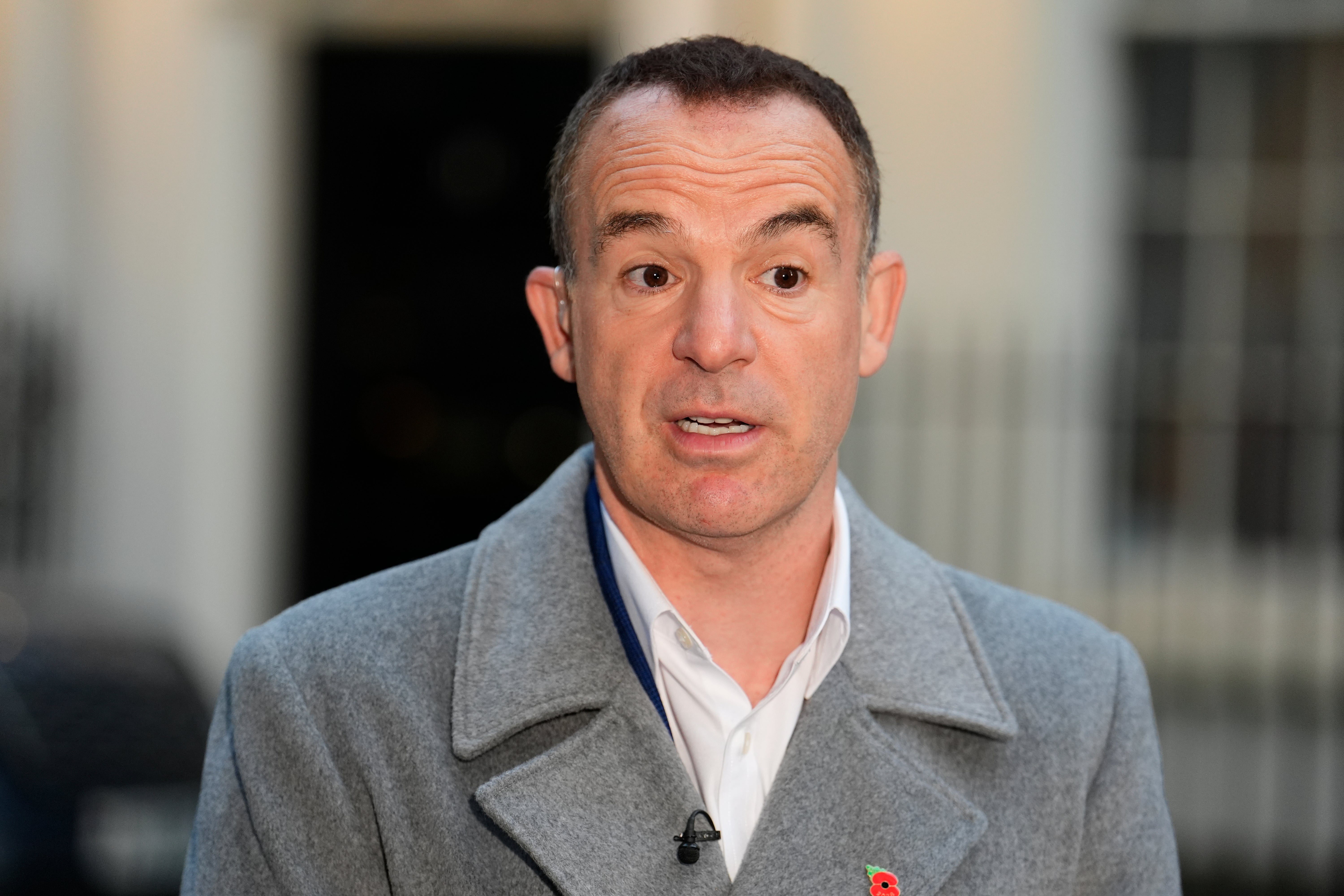
Consumer champion Martin Lewis, founder of MoneySavingExpert.com, was the individual most frequently named by those who believed they had seen a fake promotion featuring a public figure. Lewis, who says he never appears in advertisements, warned that any advert featuring him is a scam. He criticised big tech platforms for continuing to accept such adverts despite being notified.
Young adults less likely to verify firms
The FCA research also revealed a generational divide. Among under-35s, 74% believed they could identify an AI investment scam and 56% reported seeing an AI-generated promotion, yet only 38% said they would check whether a firm is FCA-authorised before investing. In contrast, 73% of over-65s said they would check authorisation.
Regulator and industry urge caution
The FCA’s executive director of authorisations, Sheree Howard, said AI makes creating scams easier and harder to identify, urging people to use the regulator’s “firm checker” tool to verify whether a financial firm is authorised. Sarah Coles, head of personal finance at AJ Bell, noted that scammers use AI to create deepfake videos of celebrities and financial experts, sometimes simulating video calls to give fake investment advice.
A separate survey for Starling Bank found that 44% of men and 34% of women aged 18 to 29 had fallen victim to social media investment fraud. Starling’s chief customer and banking officer, Bernadette Smith, urged consumers to question any opportunity that seems too good to be true. Andrew Prosser of InvestEngine and Patrick Hurley of the Financial Ombudsman Service also stressed independent verification and reporting scams to banks and the ombudsman.