كتب: عادل البكل
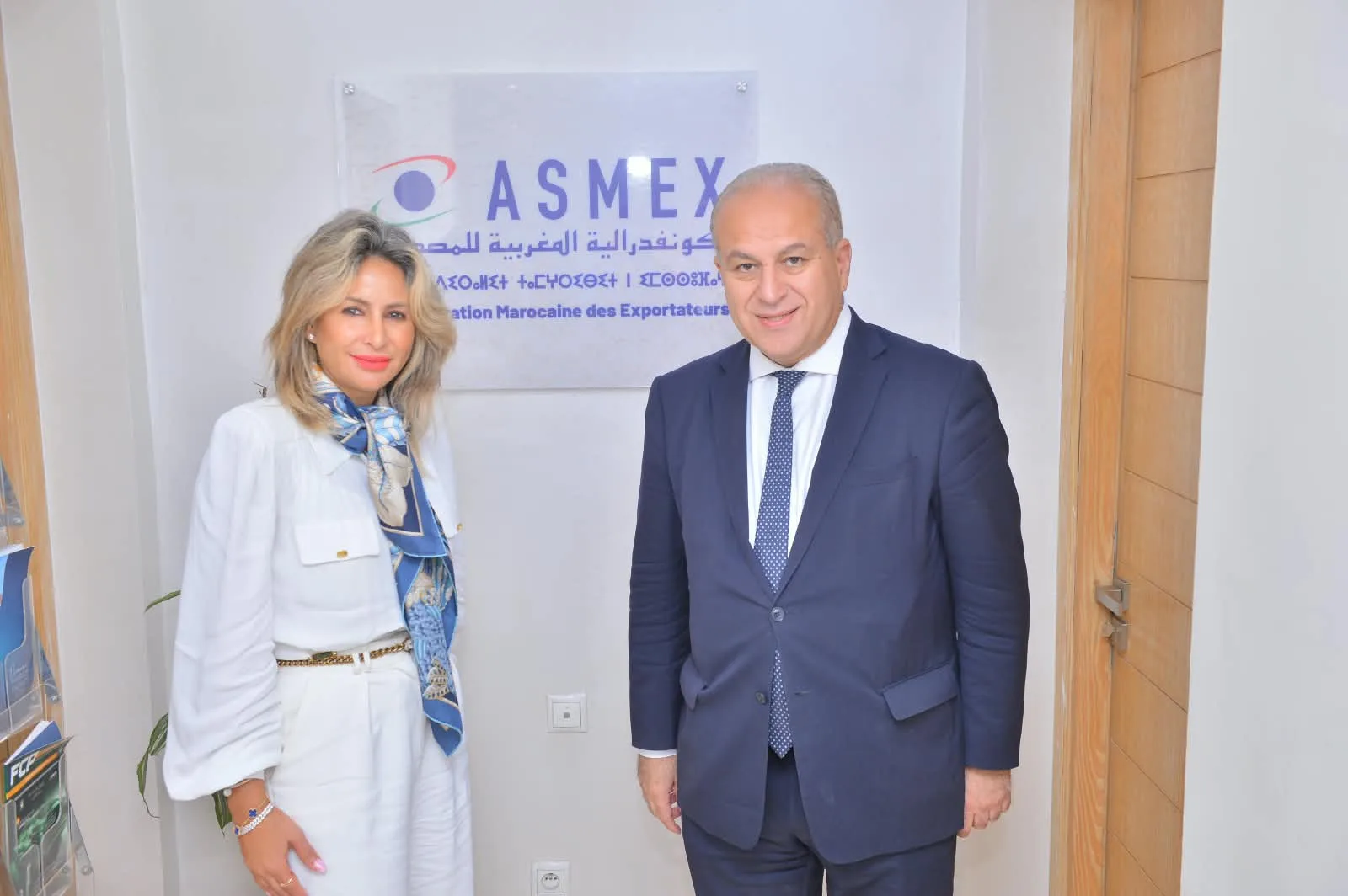
Ahmed Nehad Abdel Latif, the Ambassador of the Arab Republic of Egypt to the Kingdom of Morocco, conducted a visit to the headquarters of the Moroccan Confederation of Exporters (ASMEX) in Casablanca. During the visit, he was received by Sonia Mazour, the President of the Confederation.
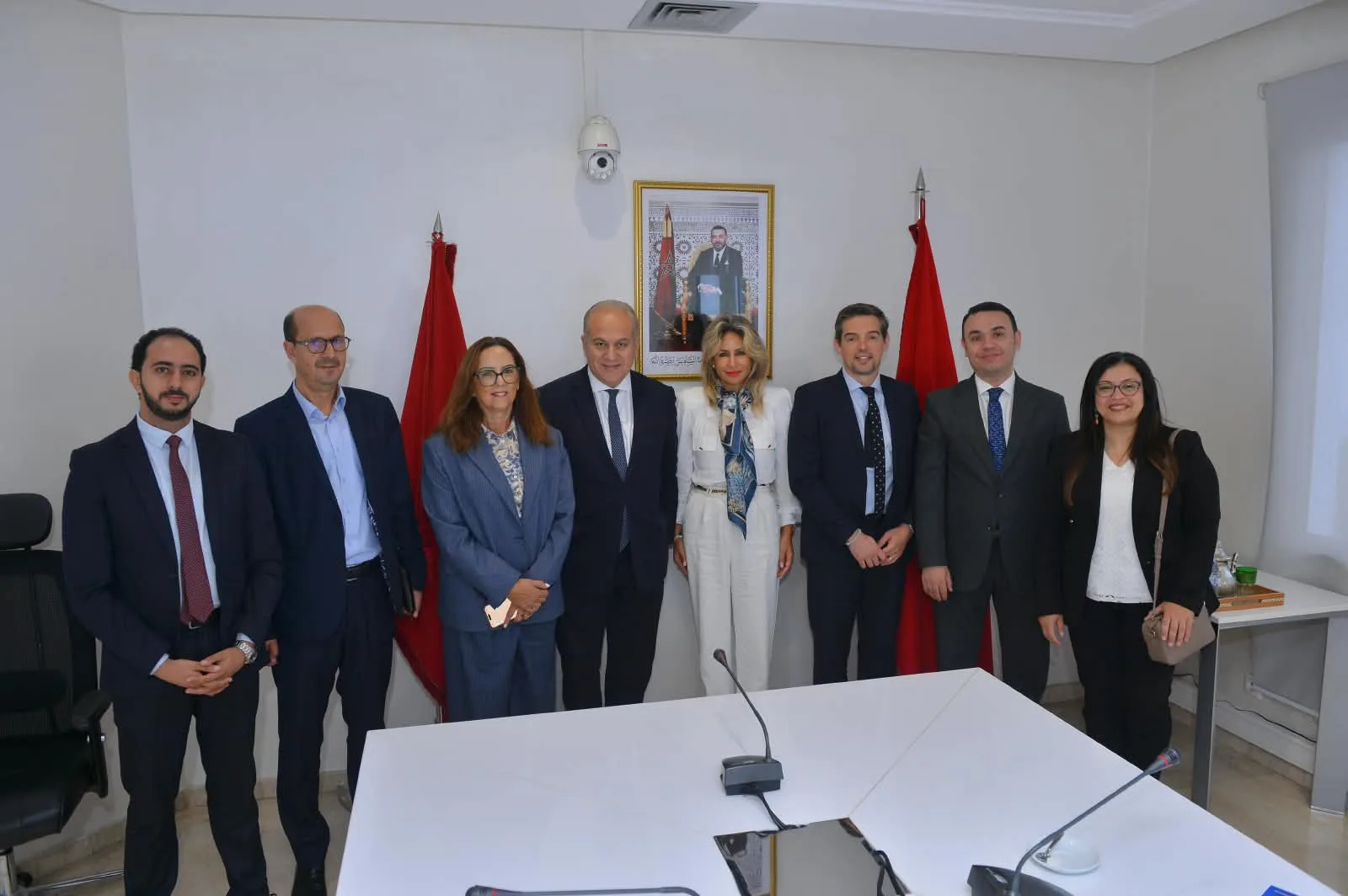
The meeting focused on methods to elevate economic relations between Egypt and Morocco to the level of an integrated partnership. This proposed framework aims to encompass trade exchange, investment, and industrial partnerships, highlighting the pivotal role of the private sector in achieving these goals. Attendees included members of the Confederation's board of directors, Moatazallah Ali, Head of the Commercial Representation Office at the Egyptian Embassy, and other embassy officials.
Strengthening Bilateral Momentum
This meeting follows significant momentum in Egyptian-Moroccan relations, particularly following the first session of the Coordination and Follow-up Committee chaired by the Prime Ministers of both countries in Cairo last April. During that session, 14 agreements were signed in fields such as industrial cooperation, cooperation between investment authorities, customs cooperation, and a double taxation avoidance agreement. The trade ministers of both nations also met on the sidelines of the committee's work.
Ambassador Abdel Latif emphasized that his visit to the ASMEX headquarters reflects a desire to strengthen communication with the Moroccan private sector and its institutions. He sought to understand the interests of the Moroccan export sector, underscoring that the private sector is central to establishing an integrated economic and trade partnership.
Sonia Mazour, President of ASMEX, stated that as representatives of the export sector, their responsibility is to communicate the challenges and realities faced by companies and to offer proposals to help them access new markets. She noted that the goal is to transform identified opportunities into contracts, deals, and increased exports.
Surge in Moroccan Exports to Egypt
During the meeting, Ambassador Abdel Latif pointed to a significant increase in Moroccan exports to Egypt. The value of these exports rose from $59 million in 2024 to $123 million in 2025, more than doubling the previous figures. He noted that this growth reflects the promising prospects of the Egyptian market, provided products meet its requirements.
However, the Ambassador noted that Moroccan exports remain concentrated in two product categories, representing approximately 66% of total exports, making diversification a priority. Notably, Moroccan automotive exports reached $49 million in 2025, four times the level recorded the previous year.
The Ambassador also reviewed the scale of Egyptian investments in Morocco, which exceed $1 billion, particularly in the tourism, food industry, and electric mobility sectors. The discussions explored opportunities for developing joint production projects by leveraging the industrial capabilities and expertise of companies from both nations.
Strategic Market Access and Future Cooperation
The meeting highlighted how the Egyptian and Moroccan markets can serve as platforms for access to African, European, and Asian markets. This integration could transform bilateral economic ties into shared opportunities for international market access. The parties discussed cooperation within the framework of the African Continental Free Trade Area (ZLECAf), the Agadir Agreement, and Euro-Mediterranean rules of origin, which allow for production or manufacturing in one country to benefit from preferential trade advantages.
The Head of the Commercial Office announced preparations for an upcoming Egyptian delegation to Morocco, consisting of importers and investors. The mission aims to identify Moroccan products suitable for the Egyptian market and explore ways to boost Moroccan exports. ASMEX welcomed this initiative and expressed readiness to mobilize Moroccan exporting companies and organize targeted business meetings to effectively bridge supply and demand.
A preliminary list of Moroccan products with promising potential in the Egyptian market was discussed, including:
- Automobiles and spare parts (the leading export category).
- Fertilizers and phosphate products.
- Canned or frozen seafood products.
- Olive oil, which currently has limited presence despite growth potential.
- Cosmetics, particularly argan oil-based products.
- Processed food products.
On the Egyptian side, officials expressed a desire to facilitate procedures for Moroccan companies wishing to export to Egypt, particularly regarding registration with the General Organization for Export and Import Control (GOEIC). The Egyptian side reminded participants of the Minister of Investment and Foreign Trade's commitment to accelerating the processing of pending registration files for Moroccan companies. The Egyptian Embassy's Commercial Office affirmed its readiness to communicate with companies facing delays or needing administrative support.
In response, ASMEX will work to collect requests and issues raised by its members to refer them to the Commercial Office. The meeting concluded with both parties agreeing to maintain regular coordination to implement the discussed measures and turn potential into tangible projects for both economies.