
By Ahmed Abdelsalam
The third installment of the BBC's acclaimed nature series "Blue Planet III," narrated by Sir David Attenborough, continues to astonish viewers with its breathtaking underwater cinematography and compelling storytelling, even as artificial intelligence-generated content floods media landscapes.
Unmatched Visual Splendor
The series deliberately includes cloudier, less polished footage to counter claims of AI fakery, proving reality offers more marvel than synthetic imagery. Sequences showcase a heavily pregnant dolphin setting a trap with a sea sponge, rough-toothed dolphins off Morocco that remain largely unknown to science, and a coordinated hunt involving a grouper, moray eel, and Maori wrasse.
Attenborough's Enduring Wonder
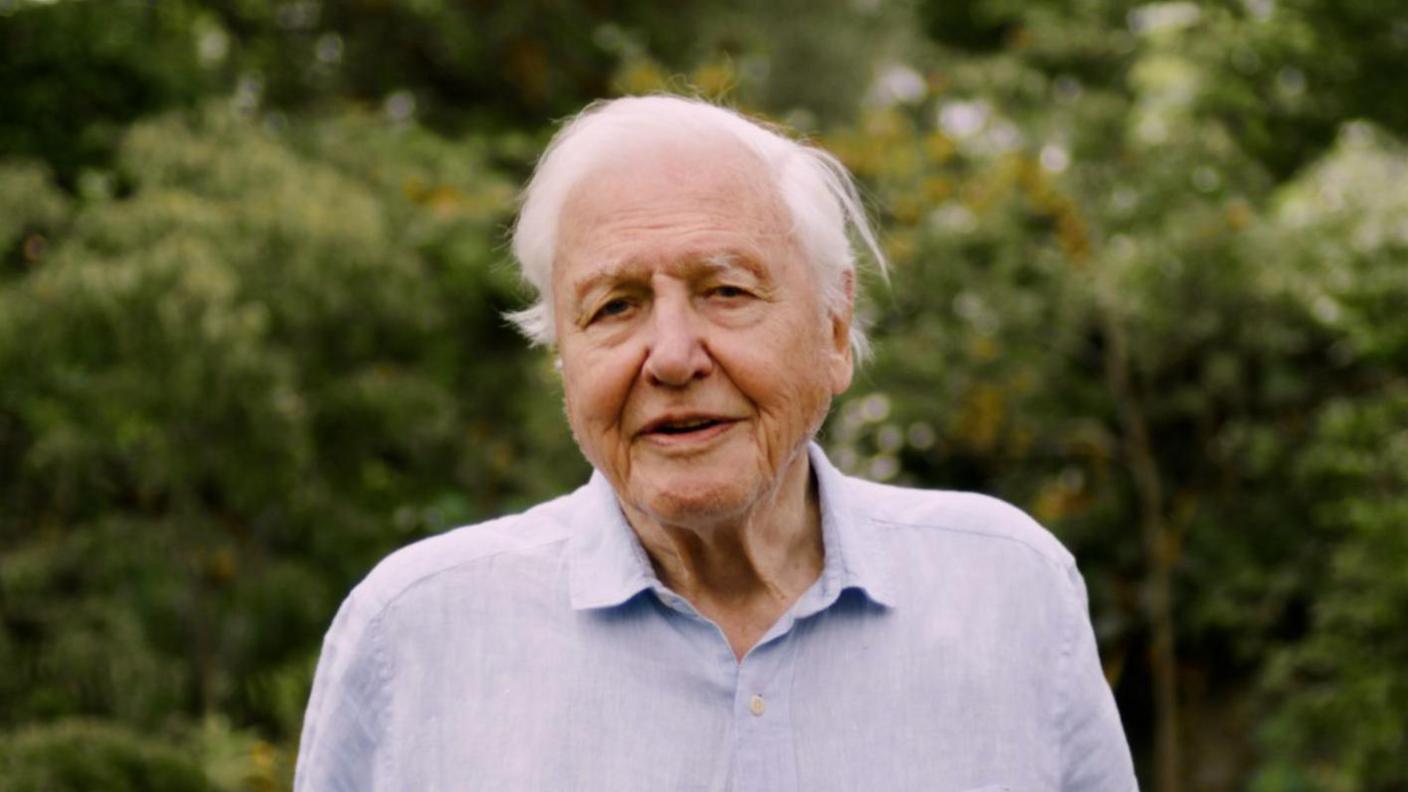
At 100 years old, Attenborough retains the wonder of his youth, describing a tawny nurse shark as "more puppy than predator" and a dying humpback whale as "the fleeting oasis in a seemingly barren world." The director confirms he was deeply involved in the script, lending his distinctive voice to the production.
Dramatic Sequences and Human Intervention
A turtle hatchling's perilous journey across plastic-strewn beaches and suffocating seaweed mats provides one of the most harrowing scenes. In a rare positive intervention, conservationists rescue nearly all hatchlings on that beach, remedying a disaster of human making.
Climate Warning and Legacy
The series culminates with the disastrous bleaching of coral reefs and the sight of polar bears playing in Norway, underscoring the climate crisis. "Blue Planet III" may be one of Attenborough's final projects, serving as a fitting legacy: spectacular, moving, and a call to action amid catastrophe.


