
By Salma El-Sakka
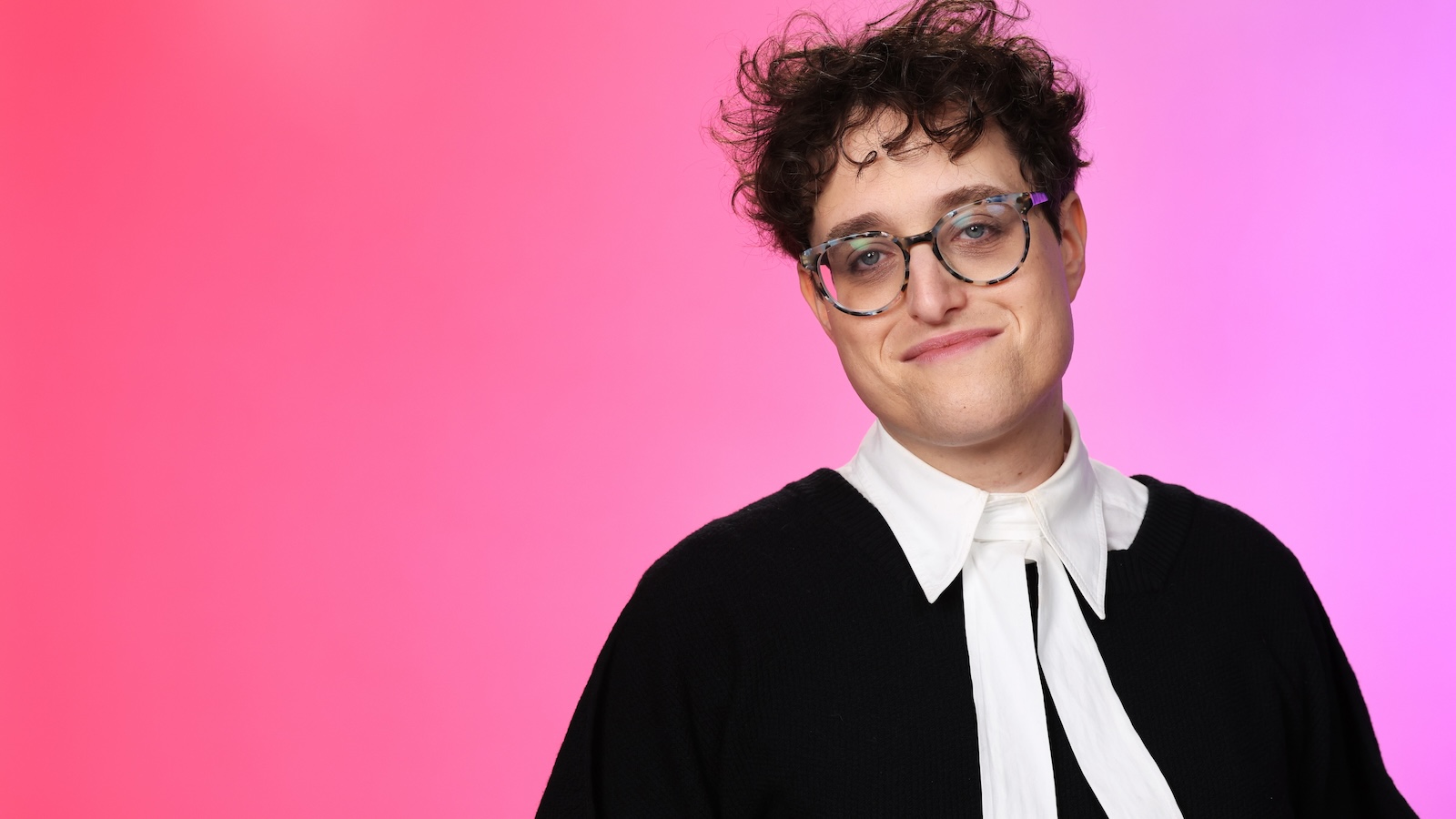
American filmmaker Jane Schoenbrun, known for the critically acclaimed horror films "I Saw the TV Glow" and "Teenage Sex and Death at Camp Miasma," has published their first novel, "Public Access Afterworld." In a wide-ranging interview, Schoenbrun discussed the book's conception, their struggles with the film industry's power structures, and their views on media, capitalism, and trans identity.
From film to novel
Work on "Public Access Afterworld" began in 2021 after Schoenbrun completed the script for "TV Glow." They initially wrote 1,600 pages of television scripts for a planned series but realized the project would cost around $100 million to produce. Schoenbrun then reworked the first season into a novel, with two further books planned. The novel follows a trans woman working as a content moderator who uncovers an inter-dimensional conspiracy within a televisual netherworld. Schoenbrun describes it as "a novel about television" and "a beach read for intellectuals," aiming for the narrative scope of "Game of Thrones" or "Harry Potter."
Hauntology and horror influences
Schoenbrun's work is steeped in horror nostalgia and theoretical concepts such as hauntology, a term popularized by cultural theorist Mark Fisher. Earlier this year, they pitched a reboot of "A Nightmare on Elm Street" to the estate of Wes Craven, proposing a story that revisited the original film's ending through a lens of haunted memory. The pitch was not accepted, which Schoenbrun attributed to its postmodern approach. Their films and the new novel blend genre savvy with leftist academic vocabulary, referencing thinkers like Marshall McLuhan while maintaining a deceptive lightness of touch.
Struggles with industry capitalism
Despite the idiosyncratic nature of their films, Schoenbrun did not have final cut on either "TV Glow" or "Camp Miasma." They describe the business side of filmmaking as "the worst part of my life," arguing that success in the current system often requires sacrificing one's soul or relying on privilege. Writing the novel offered a rare sense of creative control absent from film production, where "your baby is in constant danger of either not existing, or being corrupted." Schoenbrun also quit social media in August 2026, citing platforms designed to "frack our attention" and create an illusion of power while making users more powerless.
Trans identity and anti-assimilation
Schoenbrun, who is trans and nonbinary, frames their work as inherently oppositional to normative power structures. "Transness is political. By living as a trans person, I am envisioning a world that is in opposition to the world the normative forces of power want to convince us is the only possible world," they said. The novel's prologue includes the line: "They don't give people like us the Sunday night time slot on HBO. They put us in hospitals. They send us to hell." Schoenbrun measures success not by assimilation into the mainstream but by opening "portals that don't exist."
Upcoming Black Hole adaptation
Schoenbrun's next project is a serialized adaptation of Charles Burns's graphic novel "Black Hole" for Netflix. They have written two episodes so far, with six more planned, describing the adaptation as "quite different" and "warmer" than the source material. The project could further elevate Schoenbrun's profile among studio financiers. They remain optimistic about systemic change, stating that success is not merely increasing the number of trans filmmakers in Hollywood but transforming the conditions of cultural production.


