By Sohaib Shams
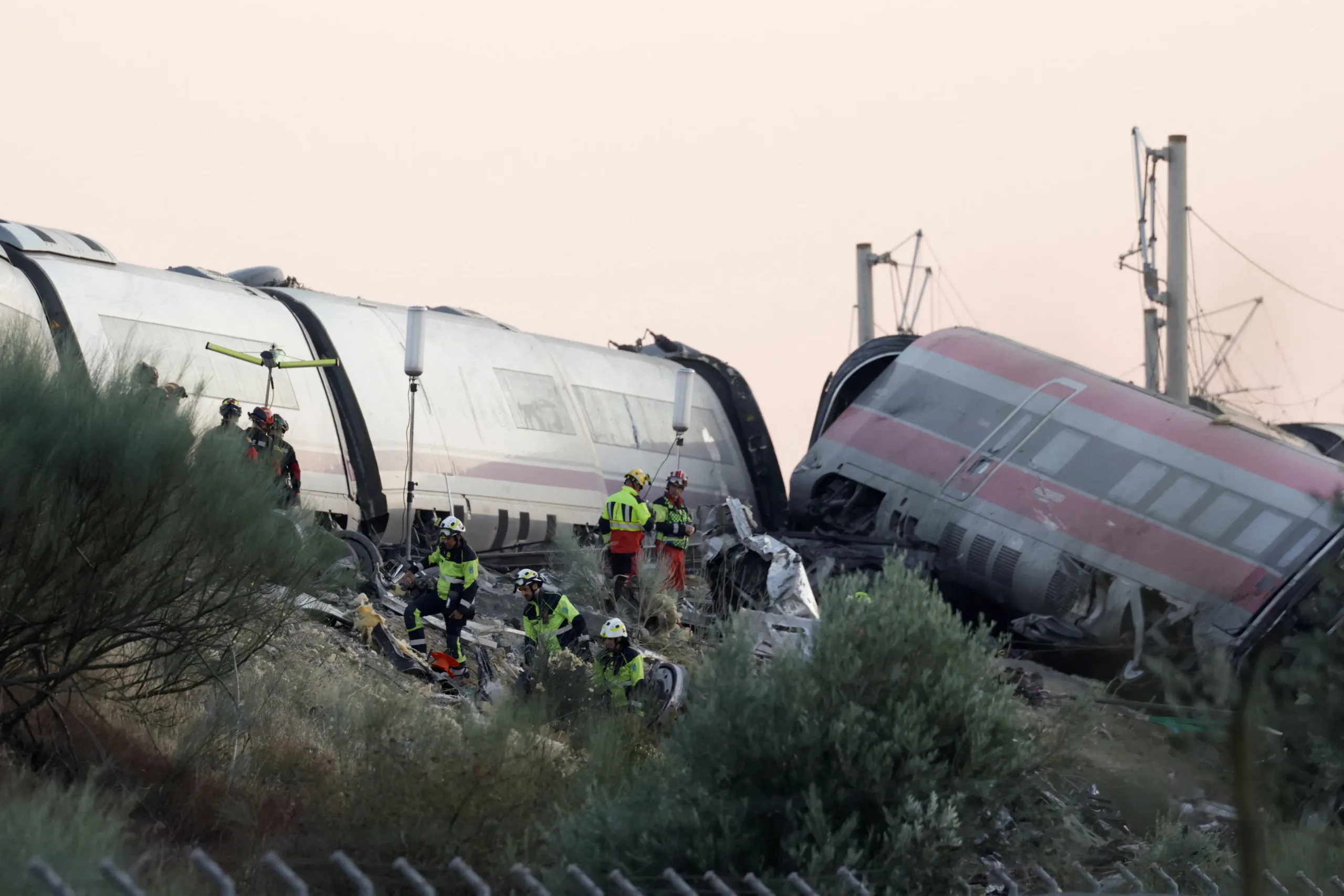
Residents of the small Spanish town of Urda mobilised rapidly on Wednesday after a collision between two high-speed trains a few kilometres away left at least 68 people dead and 80 injured, 15 of them critically. The crash, involving a Renfe AVE service and an Iryo train, occurred on an elevated stretch of track between Mora and Orgaz in the province of Toledo, about 150 km south of Madrid.
Local pharmacist among first responders
Antonio Garcia, a 78-year-old pharmacist, said he was one of the first on the scene after his daughter alerted him. He drove to the wreckage with first-aid supplies, painkillers, tranquillisers and blankets from his pharmacy. Garcia described one carriage wedged inside another and scores of bodies. He recounted a passenger who had lost an arm calmly requesting an ambulance and another saying his final goodbyes to family, his last words: "God is good." Other locals brought bottled water for evacuated passengers.
Emergency centres established
Within hours, Urda filled with police, firefighters and emergency crews from across the region. The town's sports hall was converted into a survivor reception centre, while the primary school was set aside for victims' relatives. A volunteer psychologist from Madrid, named Carmen, said the hardest part was informing mothers their children had died. Some relatives travelled two hours from Madrid searching for loved ones; one woman, Ana, said environmental police had found her dog Trece on board a train with her husband Pepe, but his name did not appear on any list.
Government vows investigation
Prime Minister Pedro Sanchez declared "all of Spain" in mourning and promised a full investigation. Transport Minister Oscar Puente said the Renfe train had been authorised to proceed despite an active red signal caused by a computer communications failure that had halted traffic; an erroneous decision then restarted the Renfe service. Sanchez said the causes of this crash and another fatal high-speed collision in January appeared unrelated, but vowed to strengthen safety if needed. The opposition People's Party cancelled campaign events ahead of next month's elections.
Deadliest European rail disaster in over a decade
Regional leader Emiliano García-Page confirmed the death toll at 68 as darkness fell, with rescuers unsure if more bodies would be found once carriages were moved. The disaster is the deadliest train accident in Europe since the 2013 Santiago de Compostela derailment that killed 80. The January crash on the same line, operated by the same companies, killed 46 and sparked debate over railway maintenance investment. Data shows Spain's high-speed network maintenance spending has lagged other large European countries, with only about 16% of average annual €1.5 billion investment earmarked for upkeep between 2018 and 2022.