By Karim Hammam
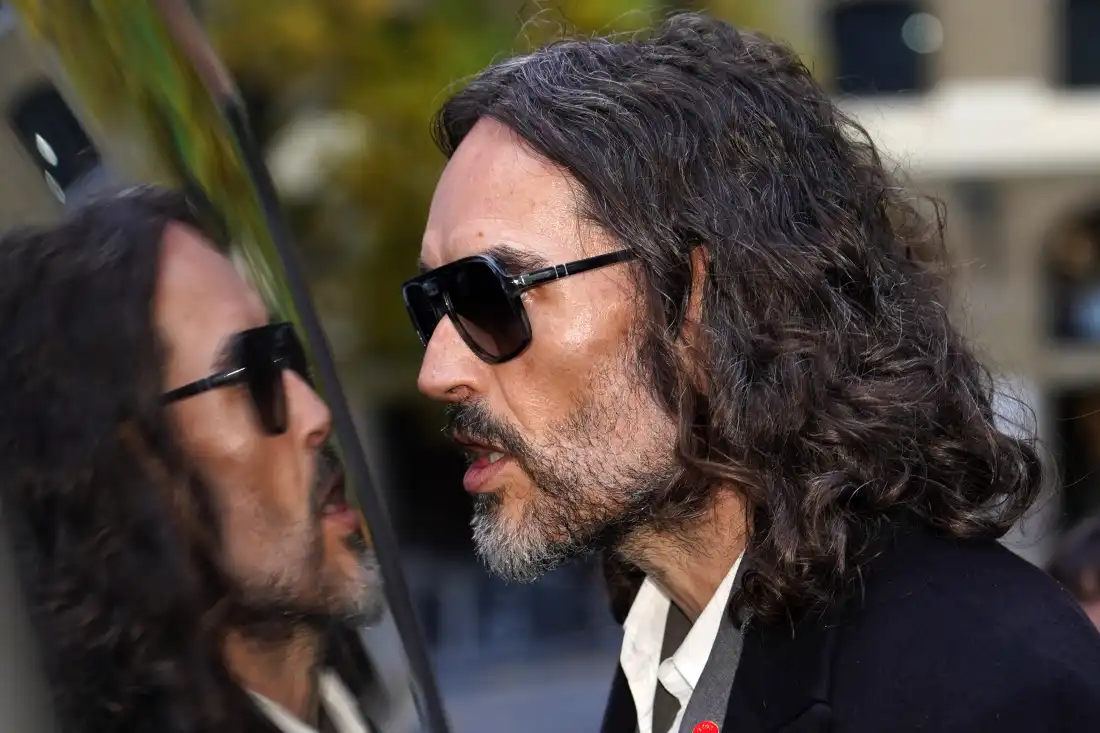
Two conservative influencers have been charged with felonies after they gave false names to poll workers during Minnesota's August primary election, prosecutors announced Wednesday. James O'Keefe, 42, and Cam Higby, 26, are accused of unlawful voting and identity theft for a staged operation at a Minneapolis polling site on Aug. 11.
Charges Announced by Hennepin County Attorney
Hennepin County Attorney Mary Moriarty said the men wore costumes and used the names of registered voters without their knowledge to initiate the state's "vouching" process, which allows unregistered voters to register and vote after signing an oath of eligibility. Poll workers flagged their suspicious behavior, prompting an investigation. Moriarty stated the episode demonstrates that the system for detecting and responding to misconduct functioned properly.
Details of the Polling Place Incident
According to Moriarty, O'Keefe and Higby dressed in attire resembling clothing worn by some Muslims and used fake accents while asking about vouching at multiple Minneapolis voting locations. Higby's face was covered, and O'Keefe referred to him as his wife. Both identified themselves using names of actual registered voters in the precinct. The pair stopped short of signing the required oath, but prosecutors said providing false names and starting the process warranted felony charges.
Vouching Process and Video
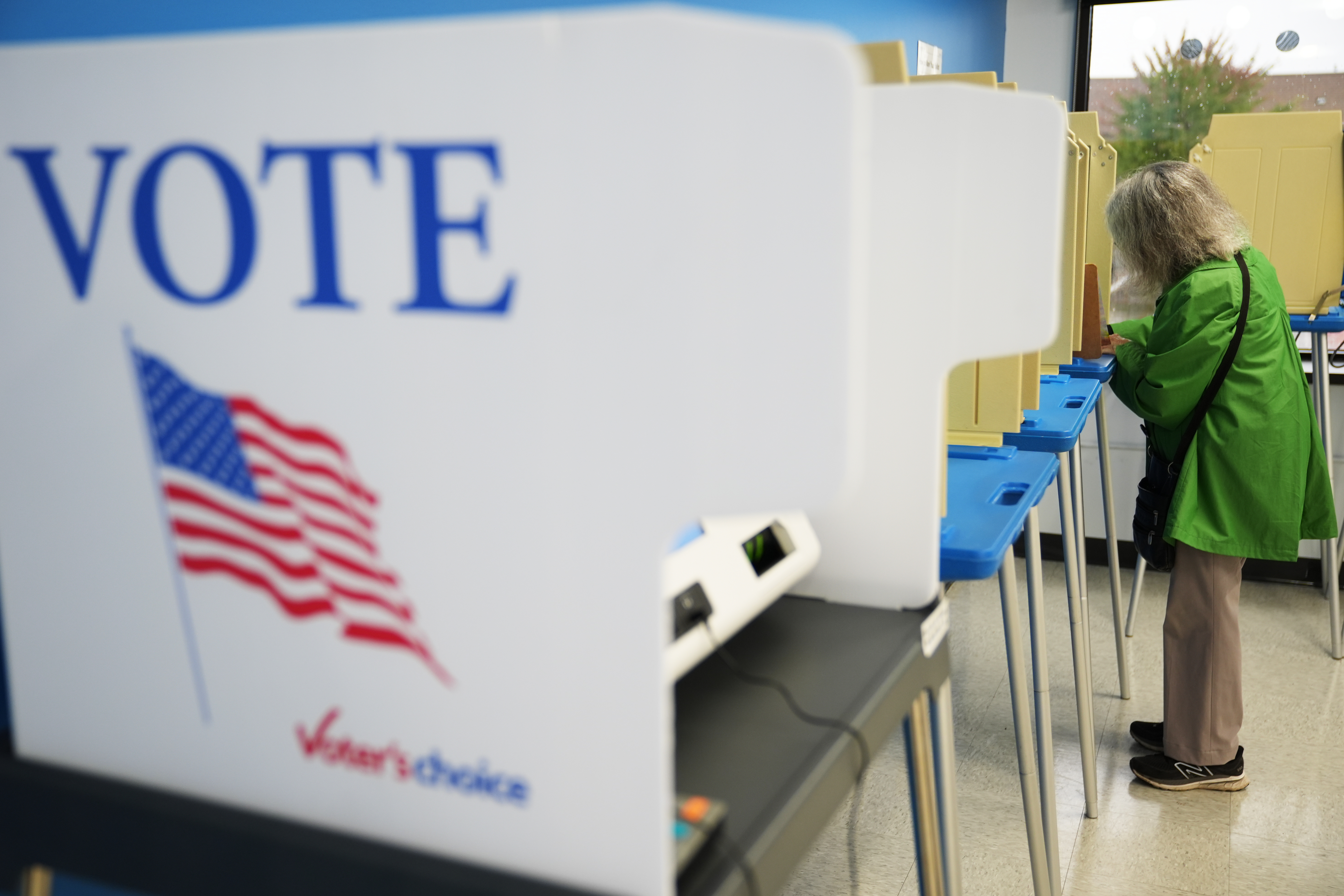
Minnesota's vouching system permits a registered voter to vouch for another resident in the same precinct by signing an oath attesting to the person's identity and address. The process is rarely used, accounting for fewer than 0.6% of votes in the 2024 general election. O'Keefe and Higby recorded their interactions and posted a video to YouTube on Aug. 13, describing it as an effort to expose vulnerabilities in the state's voting laws.
Reactions and Context
O'Keefe's organization, O'Keefe Media Group, said the team created an "intentionally extreme scenario" to test how election workers would respond. David Becker, a former Justice Department official, noted he was unaware of any widespread fraud linked to vouching but observed increased attempts by voter-fraud proponents to commit questionable acts themselves. Voter identification laws vary across states, with 36 states requiring some form of ID at the polls.