By TheWorldNews7 News Desk
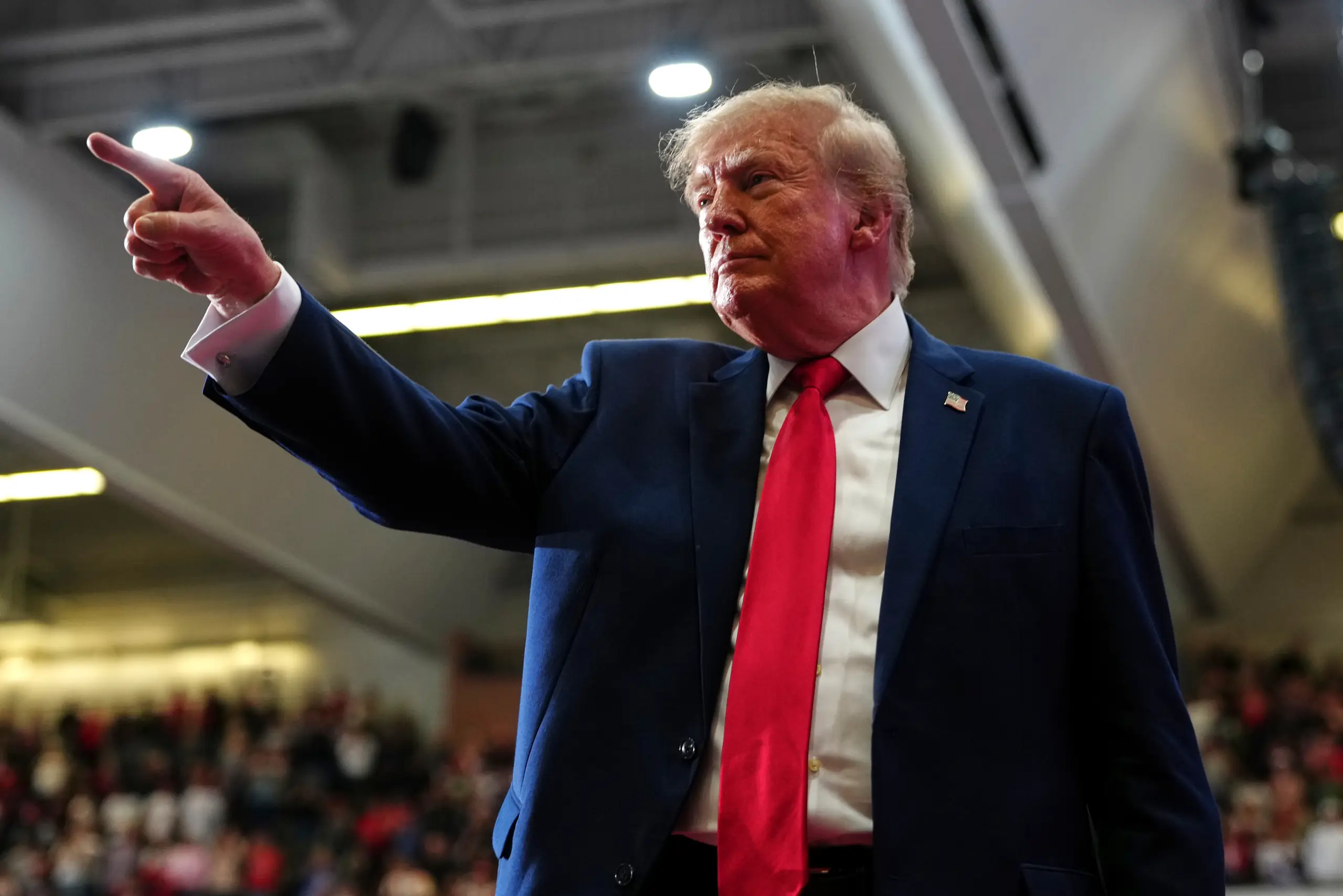
During a campaign rally in Port Huron, Michigan, President Donald Trump called for Democratic Senate candidate Abdul El-Sayed to undergo metal detector screenings at the U.S. Capitol if elected. Trump accused El-Sayed of being a member of the Muslim Brotherhood, a claim the candidate has vehemently denied.
Trump's Allegations and Security Concerns
Trump asserted that El-Sayed should not be granted access to the halls of the U.S. Capitol, suggesting that his potential access to national security secrets and influence over military and border policy poses a risk. Without providing evidence, the President also accused El-Sayed’s family of having terrorist ties, arguing that anyone with such a record should be subject to rigorous screening.
Trump expressed support for Republican candidate Mike Rogers, a former congressman, for the Senate seat. Current polling from Marist shows El-Sayed leading Rogers in a tight race, with 50 percent of Michigan likely voters supporting the Democrat compared to 48 percent for the Republican.
El-Sayed Responds to Loyalty Questions
In a recent town hall in Caro, Michigan, El-Sayed addressed questions regarding his allegiances. He denied any ties to the Muslim Brotherhood and emphasized his commitment to the United States Constitution. El-Sayed stated that his primary allegiance is to the Constitution, which guarantees the right to practice any faith, and rejected the implication of dual loyalties.
Campaign Context and Economic Pressures
The midterm elections come amid significant political activity, with former President Barack Obama campaigning for El-Sayed in Detroit. Obama also criticized the ongoing war in Iran, a conflict launched by Trump in February that has lasted nearly eight months. This stands in contrast to the 2015 nuclear deal brokered by the Obama administration.
The political landscape is further shaped by economic concerns. Recent polling indicates that Trump faces low approval ratings, with 61 percent of Americans disapproving of his presidency. High inflation and gas prices resulting from the war in Iran have become central issues, with a majority of voters identifying the cost of living and ending the war as top priorities for the upcoming Congress.