By Karim Hammam
The Milwaukee Brewers secured a 5-4 victory over the Tampa Bay Rays in Game 2 of the World Series on Saturday, following a highly debated checked-swing strikeout that concluded the match.
The Deciding Play
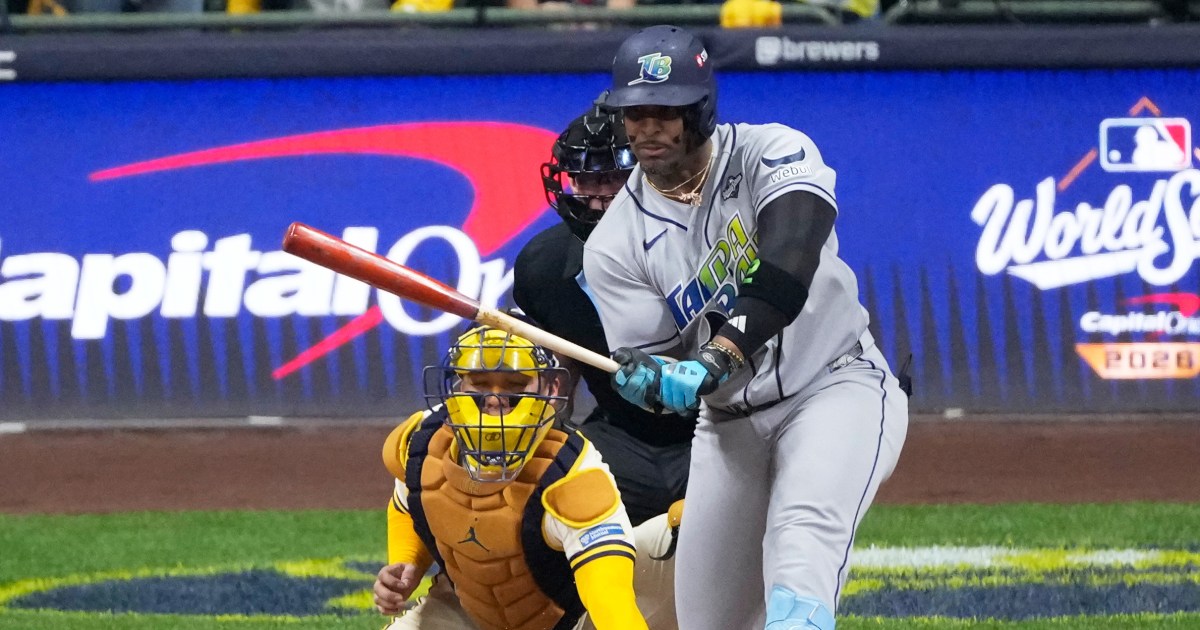
With the Brewers leading in the top of the ninth inning, the Rays had a runner on third with two outs. Designated hitter Yandy Díaz faced pitcher Aaron Ashby on a 3-2 count. While the pitch appeared to be ball four, Díaz attempted to check his swing on a curveball. Home plate umpire Jim Wolf initially ruled that Díaz had not swung, which would have granted him first base. However, after Milwaukee catcher William Contreras appealed to the first base umpire, the call was overturned, ruling that Díaz had indeed swung, resulting in a strikeout that ended the game.
Rulebook Ambiguity
The incident has highlighted a significant gap in the official Major League Baseball rules, as there is no formal definition for a "checked swing." While the rulebook states a strike is a pitch "struck at by the batter," the determination of whether a batter has swung is left entirely to the discretion of the umpires. Although the league has introduced the automated ball-strike (ABS) system this season to assist with balls and strikes, checked swings remain unreviewable under current regulations.
Future of Challenges
Tampa Bay manager Kevin Cash noted that from his perspective, the swing looked legitimate, while Díaz expressed disagreement with the final ruling. Despite the availability of expanded replay review rules, the Rays were unable to challenge the play because checked swings are not currently among the reviewable calls. While MLB has tested checked-swing challenges using Hawk-Eye technology in the minor leagues and the Arizona Fall League, Commissioner Rob Manfred has indicated that the league is still evaluating how to integrate such a system into the majors alongside the ABS technology.