By Fatma Younis
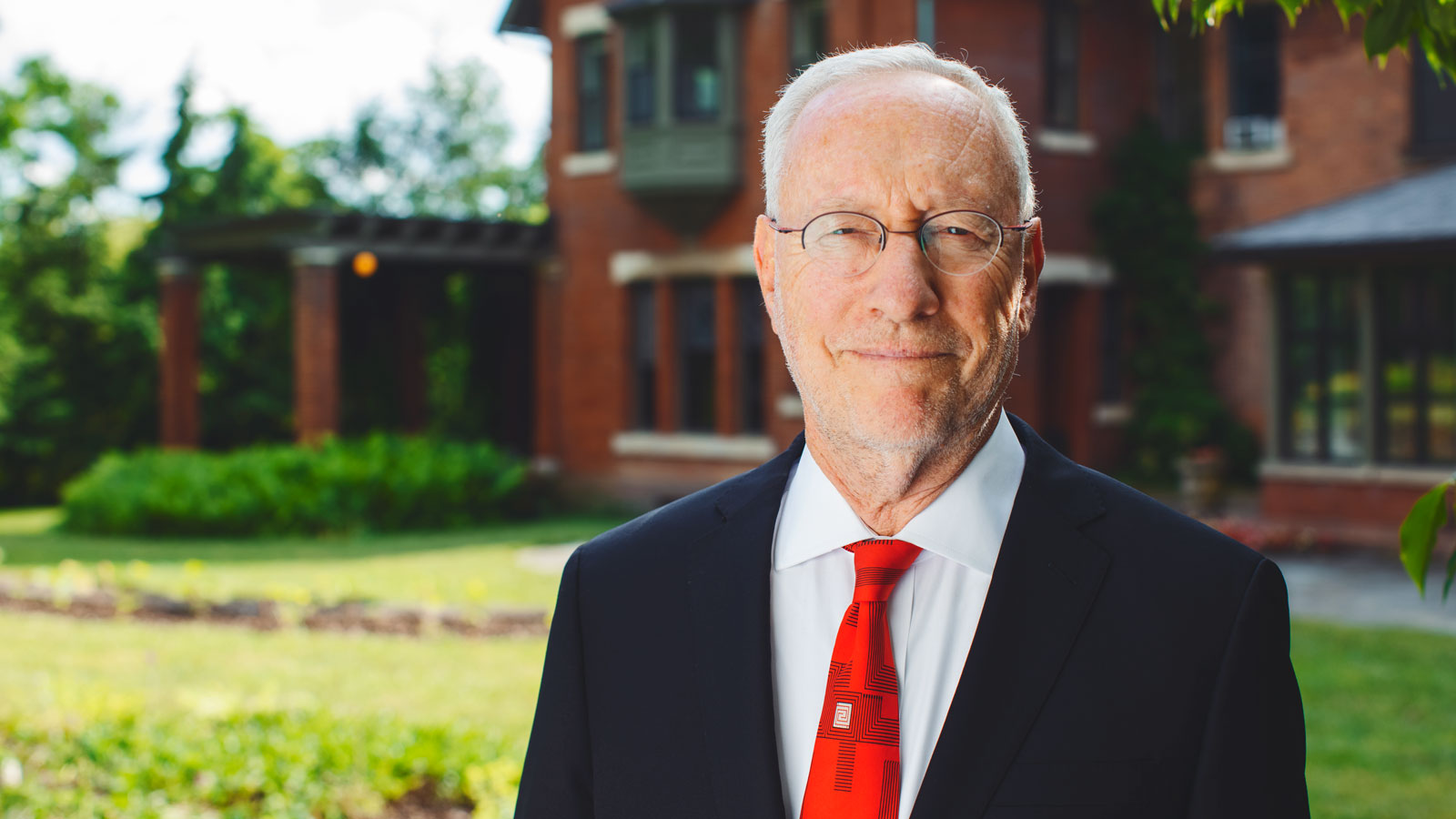
Jay Rockefeller, a former West Virginia governor and longtime U.S. senator who stood as the sole Democrat and final figure of his prominent family's political line, has died at the age of 89. His passing occurred Thursday night at his residence in Washington, according to Mary Stewart, vice president for external affairs at public broadcasting station WETA, where Rockefeller's wife, Sharon, serves as president and CEO.
Early Life and Move to West Virginia
Born John D. Rockefeller IV in New York City, he was the great-grandson of Standard Oil founder John Rockefeller. His father, John D. Rockefeller III, was a noted philanthropist, while his uncles Winthrop and Nelson served as Republican governors of Arkansas and New York, and another uncle, David Rockefeller, headed Chase Manhattan Bank. Breaking from his family's Republican tradition, Rockefeller relocated at age 27 to the West Virginia coal mining town of Emmons in 1964 to join the Volunteers in Service to America program, a period he later described as transformative and the foundation of his political beliefs.
Rise in West Virginia Politics
Rockefeller won election to the state House of Delegates as a Democrat in 1966, later serving as secretary of state. After losing the 1972 governor's race to Republican Arch A. Moore Jr., he remained in the state and became the first person without a theological degree to serve as president of West Virginia Wesleyan College in 1973. A shift in position to embrace strip mining helped him win a landslide victory over Republican Cecil Underwood in the 1976 governor's race. As governor, he emphasized infrastructure development such as roads, sewers, and bridges, calling them "very, very necessary in West Virginia."
Three Decades in the U.S. Senate
Rockefeller won a U.S. Senate seat in 1984 following the retirement of Democrat Jennings Randolph, serving five terms. He spent at least $21 million of his own inherited fortune on campaigns, including $9 million for the 1984 race. As chairman of the Senate Committee on Commerce, Science, and Transportation, he championed consumer protection, broadband expansion, and legislation to block online tracking. In 1997, he authored the Children's Health Insurance Program (CHIP) for families exceeding Medicaid limits. He also led the Veterans' Affairs and Intelligence committees, frequently clashing with President George W. Bush on foreign policy and later expressing regret for his 2002 vote authorizing the Iraq war.
Energy Policy and Economic Development
Representing the nation's second-largest coal producer, Rockefeller broke with the Obama administration over Environmental Protection Agency oversight of mountaintop removal mining. His college studies in Tokyo and long-standing ties to Toyota's founding family helped bring a $2 billion engine parts plant to Buffalo, West Virginia, in 1996, which now employs roughly 2,200 workers.
Tributes and Legacy
Current Gov. Patrick Morrisey said Rockefeller helped shape the state and left a lasting mark on generations of West Virginians, citing his early work in disadvantaged communities, efforts to strengthen healthcare, protect coal miners, and support veterans. Republican Sen. Shelley Moore Capito, who succeeded him in 2014, called him "a true gentleman" and noted a friendship that transcended politics. Rockefeller is survived by his wife, Sharon Percy Rockefeller, daughter of former Republican Sen. Charles Percy of Illinois.