By Karim Hammam
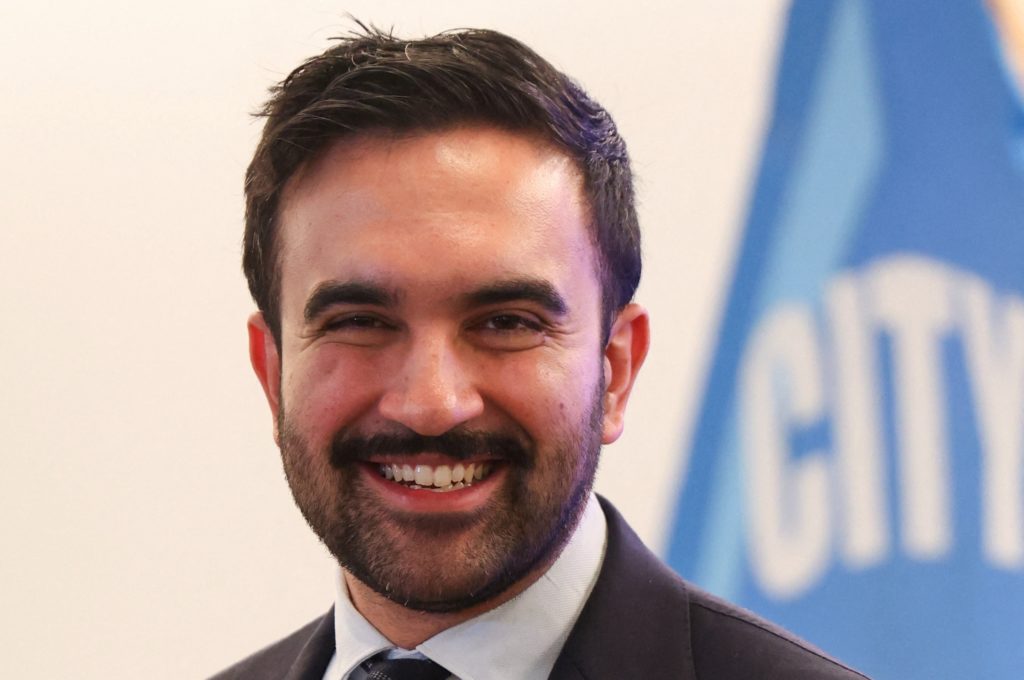
U.S. officials unveiled a $280,000 partnership on Friday to help Puerto Rico confront chronic water and power crises, as New York City Mayor Zohran Mamdani met with nonprofits on the island during a four-day conference.
Partnership details
The agreement between the Hispanic Federation and the Federal Home Loan Bank of New York will equip 10 community-run resiliency hubs across Puerto Rico with increased water storage capacity. Some hubs will also receive rain-collection systems, kitchen infrastructure, and solar power with battery storage. The Federal Home Loan Bank is contributing $210,000, while the Hispanic Federation raised an additional $70,000.
Context of ongoing crises
Puerto Rico continues to struggle with frequent power outages and intermittent water shortages as it rebuilds from Hurricane Maria, which devastated the island's grid in September 2017. The grid was already weakened by years of insufficient maintenance and investment.
Federal solar funding cuts
The announcement comes months after the Trump administration canceled solar projects in Puerto Rico, including a $400 million initiative to install solar and battery systems in low-income homes and a $1 billion federally funded program for solar power and battery storage. The U.S. Department of Energy said the money would instead be used to maintain the island's crumbling power grid. Six Puerto Rico residents, including 63-year-old diabetic Ileana Ríos who relies on refrigeration for insulin and electricity for her son's nebulizer, have sued the Energy Department and Secretary Chris Wright to reinstate the grant program.
Impact on nonprofits
Nonprofit Barrio Eléctrico, which provides electric service to more than 500 families across 12 municipalities, lost an estimated $16 million to $20 million in funding after the federal program ended. The organization had completed only about one-third of its planned projects, leaving 1,200 families without promised resilient energy.