By Basant El-Faramawy
Federal prosecutors have charged three foreign nationals with orchestrating an international fraud scheme that used artificial intelligence to impersonate corporate executives and attorneys, stealing more than $129 million from companies worldwide.
Suspects arrested in Europe
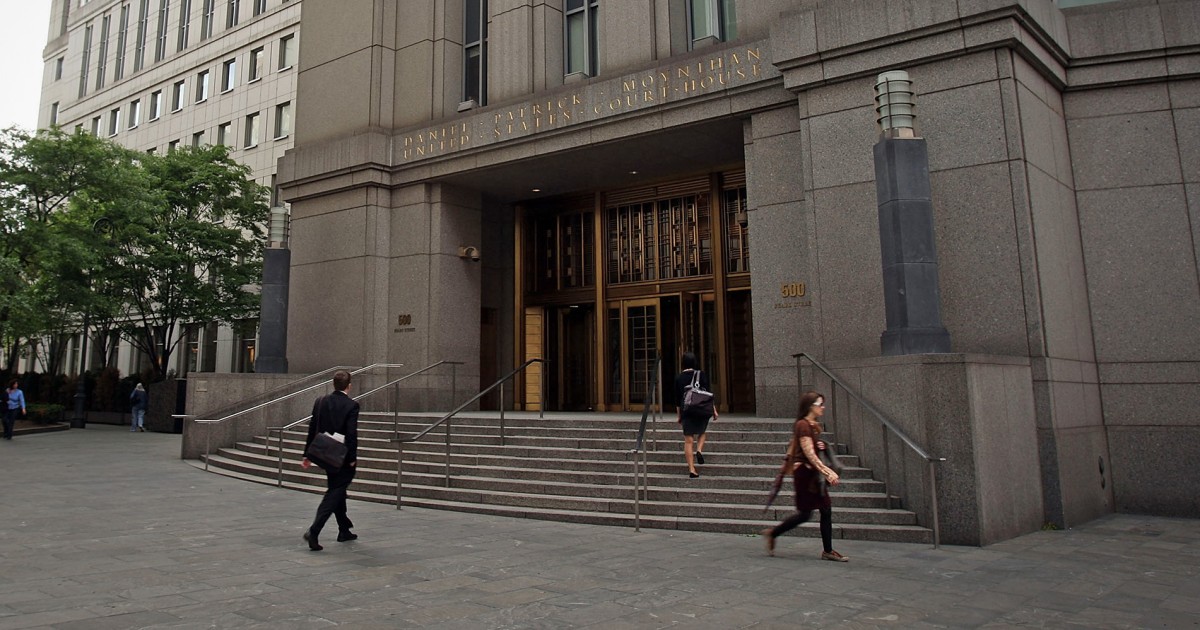
Jacob Soall, known by aliases including "Rocky Balboa" and "Seba Clarke," was arrested in Spain in June. Sharon Hazan, who used nicknames such as "Superman Cash" and "Impossible Mission," was arrested in Spain in August. Guy Sheetrit was arrested in the United Kingdom in September. All three face charges in the Southern District of New York.
AI-powered impersonation tactics
According to the indictment, the scheme ran from July 2024 to February 2026. The group targeted employees — typically in accounting departments — claiming they needed help with confidential financial transactions. They used AI technology to mimic a CEO's voice, then directed the employee to contact supposed attorneys at major law firms who were actually co-conspirators. The employee was then instructed to wire large sums to bank accounts controlled by the group.
Global victims and cryptocurrency laundering
Victims included an investment bank in New York, a hospital system in Missouri, a bank in Rhode Island, a hospital system in California, a financial technology company in the U.K., a mutual fund company in Massachusetts, and a pet food company in Florida. After receiving the funds, the group converted the money into cryptocurrency to conceal the proceeds and distribute them among themselves.
Charges and potential sentences
Each defendant is charged with conspiracy to commit wire fraud, wire fraud, two counts of aggravated identity theft, money laundering conspiracy, and two counts of money laundering. Each charge carries a maximum prison sentence of 20 years.
Warning on emerging technology
U.S. Attorney Jamie McDonald said the case highlights how criminals are exploiting artificial intelligence, urging individuals and businesses to consider protections against AI-enabled crime.