By Salma El-Sakka
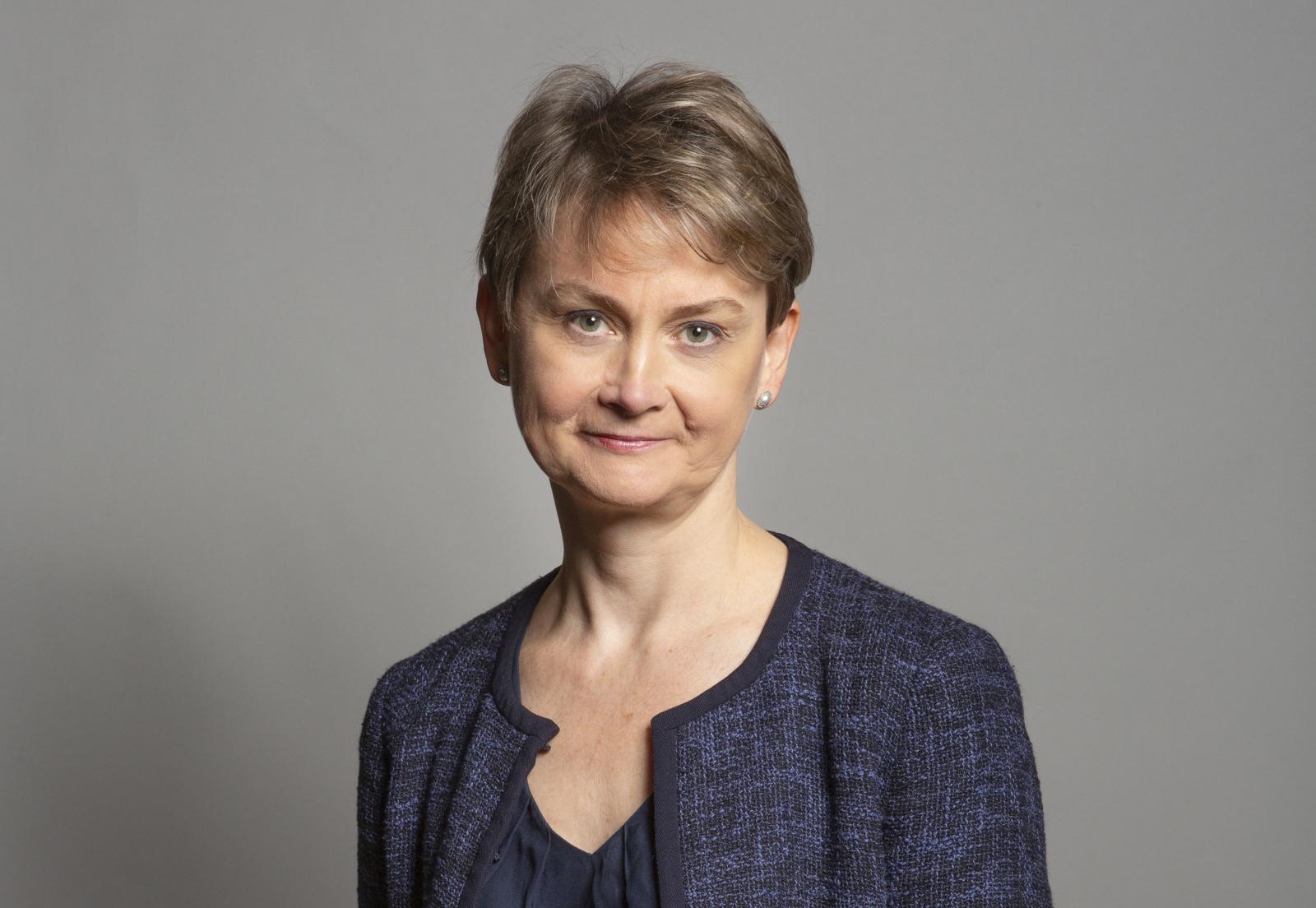
UK Health Secretary Yvette Cooper has abandoned plans to abolish Healthwatch England, the NHS's independent patient champion, following widespread criticism from MPs across the political spectrum. The decision means Healthwatch England and its network of 150 local branches will continue operating and be strengthened to ensure patient voices influence health and care services.
Cross-party pressure prompts U-turn
Labour, Conservative and Liberal Democrat parliamentarians had warned that scrapping the statutory body would remove vital oversight of the NHS. Healthwatch has published reports highlighting declining access to NHS-funded dental treatment, years-long waiting times for ADHD assessments, and communication failures such as patients being notified of appointments after the date had passed.
Functions retained and expanded
The government had previously intended to transfer Healthwatch's functions into NHS regional integrated care boards and local councils. Under the revised plan, Healthwatch will play a greater role in identifying recurring concerns and highlighting where action is needed to improve quality, safety and patient experience. Health minister Gillian Merron will confirm the change when peers debate the health bill.
Cooper emphasizes public accountability
Cooper told the Guardian that patients need a voice in the NHS and that she has always stressed the importance of communities having a say in local services. Sources at the Department of Health and Social Care said the decision reflects her strong belief in public and local accountability, a view shared by Prime Minister Andy Burnham.
Experts welcome reversal
Thea Stein, chief executive of the Nuffield Trust thinktank and former head of an NHS trust in Leeds, said abolishing Healthwatch would have discarded the independence that gave it credibility without addressing why the NHS often fails to listen. She described the planned abolition as the wrong solution to a real problem.
Series of health bill climbdowns
The reversal follows other recent government concessions on the health bill, including dropping plans to axe the Health Services Safety Investigations Body, ending councils' automatic representation on integrated care board boards, and removing the requirement for a nurse on every NHS foundation trust board. The moves suggest Cooper is re-examining elements of the bill inherited from her predecessor, Wes Streeting.