
By Ahmed Abdelsalam
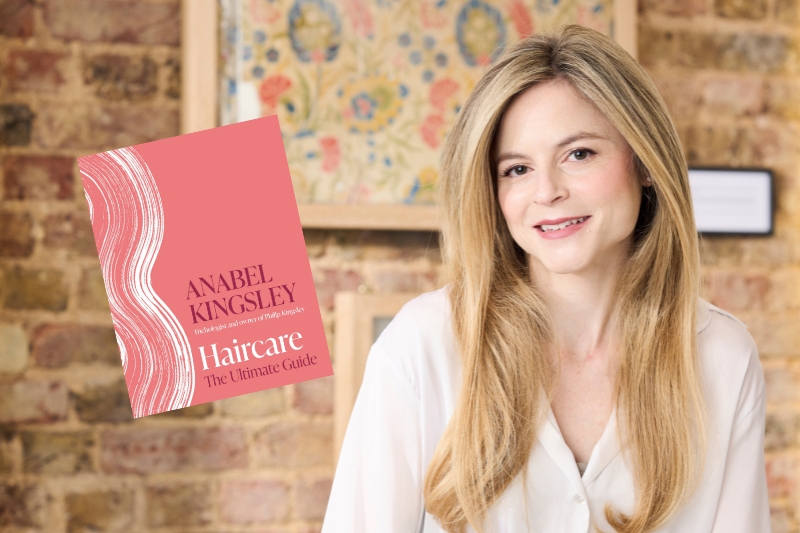
Trichologist Anabel Kingsley, author of the new book "Haircare: The Ultimate Guide," has examined popular haircare trends circulating on social media platforms like TikTok and Instagram, separating scientifically supported advice from myths that could damage hair and scalp.
Rosemary oil lacks strong evidence for hair growth
Kingsley says the rosemary oil trend stems from a single 2015 study involving 50 men and no women, comparing the oil to 2% minoxidil — a concentration not considered standard for male pattern hair loss. While not harmful, relying on rosemary oil for progressive thinning could delay effective treatment, she warns.
Training hair to be less greasy is a myth
The idea that washing hair less frequently reduces oil production is false, according to Kingsley. Sebum is produced by scalp glands and cannot be "trained" to stop; infrequent washing can lead to breakouts and inflammation. She recommends washing as often as the scalp needs, massaging the scalp for about 60 seconds during shampooing.
Tight hairstyles risk traction alopecia
Slicked-back buns and heatless curling methods can cause gradual hair loss if they place repeated tension on hair roots. Kingsley advises avoiding tight, uncomfortable styles worn for long periods daily, noting that traction alopecia can become permanent.
Sulphate-free shampoos are not inherently better
Sulphates are cleansing agents that remove oil and dirt; sulphate-free formulas can be just as harsh. The key is how a product works for an individual's scalp and hair, not the presence or absence of sulphates.
Collagen shampoos do not boost hair growth
Hair is not made of collagen, and rinse-off shampoos have limited contact time with the scalp. Proteins in conditioners may temporarily thicken the appearance of hair, but they do not change follicle growth. Kingsley suggests styling products for guaranteed volume instead.
Scalp massagers may damage rather than help
Silicone scalp brushes with rigid bristles can be abrasive and damage the scalp. Kingsley recommends using fingertips for scalp massage during shampooing as a safer, more effective alternative.
Evidence-based treatments for hair loss
For female pattern hair loss, topical minoxidil remains the most extensively studied and clinically proven treatment, available over the counter in the UK. For telogen effluvium — excessive shedding triggered by illness, stress, nutritional deficiencies, medications, or childbirth — addressing the underlying cause is the priority rather than turning to growth serums.

