By Ahmed Abdelsalam
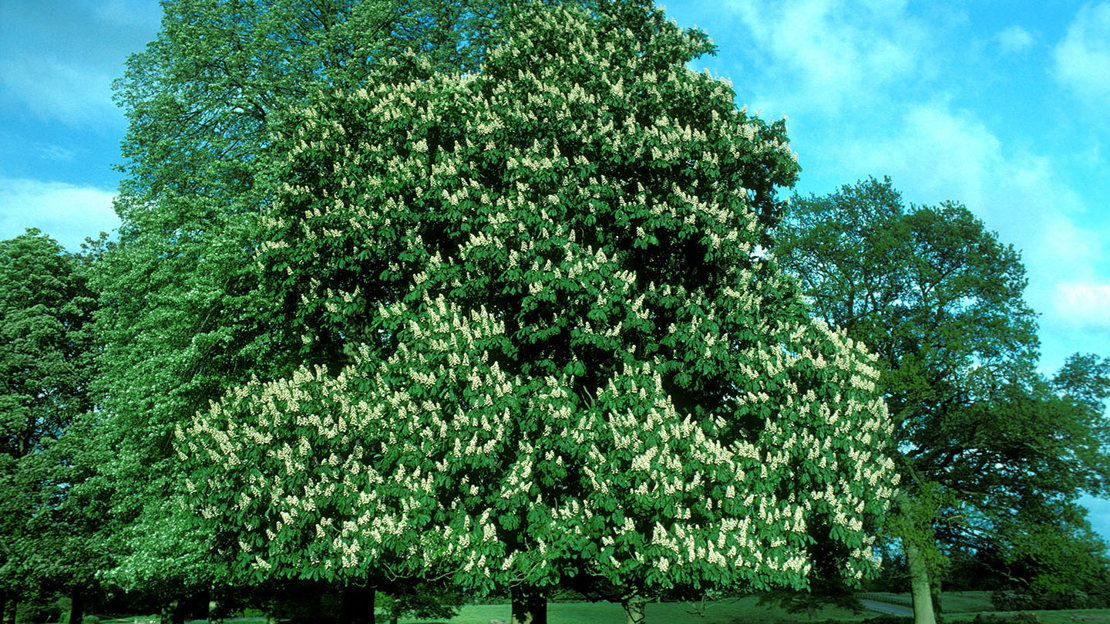
UK trees are experiencing an "early spring" with horse chestnut trees flowering more than six months ahead of schedule due to unusually mild autumn temperatures, experts from the Woodland Trust and Kew Gardens have warned.
Record warm autumn triggers early flowering
October marked the ninth consecutive month of above-average temperatures across the UK. Chris Nichols, head of conservation outcomes at the Woodland Trust, said the mild weather caused horse chestnut trees to flower and show next year's spring growth prematurely. This follows a summer of extreme heat that forced many trees into "early autumn," wilting and shedding leaves early.
Trees show signs of stress
Dr Kate Lewthwaite, citizen science manager at the Woodland Trust, said early flowering is a sign of stress. She explained that drought likely prompted trees to shut down essential systems, and subsequent rains triggered out-of-season spring flowering. This could lead to tree death or reduced canopy growth next year.
Impact on pollinators and ecosystems
Nichols warned that the mismatch between tree flowering and insect activity threatens pollinators. "Trees need to flower at a certain time of year so they're in sync with the insects," he said, calling it an ecological mismatch that undermines long-term tree resilience.
Long-term consequences uncertain
Kevin Martin, head of tree collections at Kew Gardens, said trees in the arboretum are also entering early spring. He noted that trees went into dormancy during summer heat and are now resuming growth, meaning they will lack buds in spring 2028. Martin added that the true impact will not be known until then. Earlier storms, potentially linked to El Niño, caused increased tree failures among specimens already weakened by heat and drought.