
By Sohaib Shams
Britain's record-breaking temperatures are creating overlooked dangers for pregnant women, with health leaders urging systemic changes to protect maternal and newborn health as heatwaves become more frequent and intense.
Personal Experience Highlights Danger
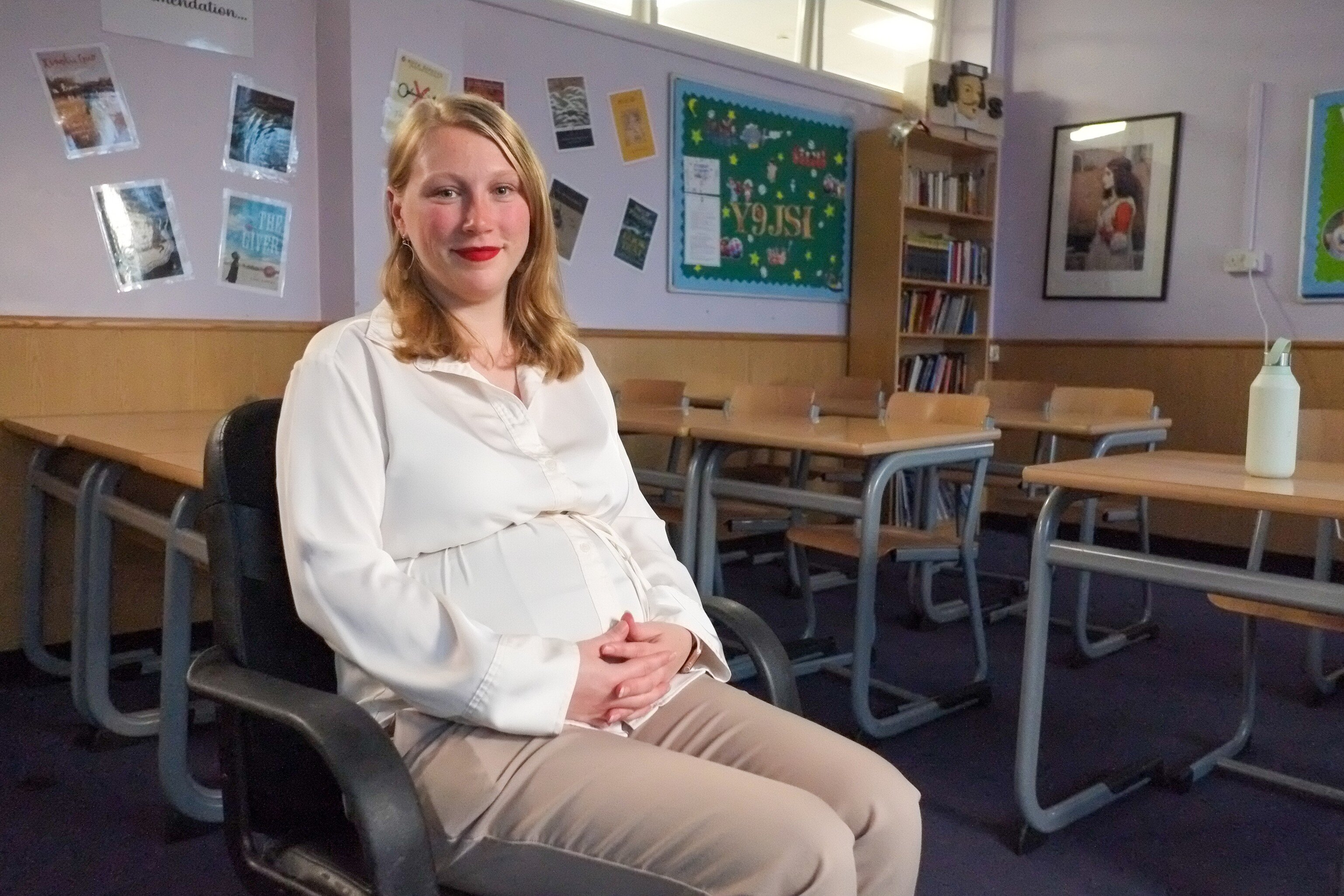
When Alice Vaughan went into labour on 19 July 2022, the UK recorded its hottest day ever at over 40°C. The midwifery-led unit in Norwich had no air conditioning, with room temperatures in the mid-30s. Vaughan described severe swelling, water retention, and anxiety, illustrating how even moderate heat can cause significant strain in a temperate climate unaccustomed to prolonged hot spells.
Research Shows Growing Complications
The Wellcome-funded MAGENTA project tracking pregnancy outcomes in London and Wales has found that women in more deprived communities may experience more extreme heat during pregnancy. A global survey of 1,000 healthcare professionals across five countries revealed 73% reported a rise in heat-related pregnancy complications over the past five years, including increased risks of low birth weight, early-onset pre-eclampsia, and premature delivery.
Health Professionals Call for Resources
Frontline staff overwhelmingly support dedicated interventions: 92% of surveyed healthcare professionals want specific resources to support expectant mothers during hot spells. Practical measures such as ward cooling, staff training, and clear newborn care advice are seen as straightforward to implement, yet isolated workplace adjustments are insufficient without a systemic approach.
Global and National Policy Gaps
Despite clear evidence, maternal and newborn care remains a blind spot in climate adaptation plans, with many heat-health strategies failing to classify pregnancy as a specific risk group. Wellcome has launched a global call to action, backed by the World Health Organization's initial framework to monitor heat impacts on pregnant women and newborns. Dr Madeleine Thomson, Head of Climate Impacts and Adaptation at Wellcome, emphasized the urgency ahead of COP31.
Urgent Need for Clinical Guidelines
Wellcome's campaign sets two priorities: in the UK, the DHSC, UKHSA, and NHS England must embed heat resilience into maternity reforms and adapt services for rising temperatures; globally, the WHO must establish the first dedicated clinical guidelines on heat and pregnancy, covering midwife training, heat-index data use, and safe temperature limits for pregnant workers.


