By Sohaib Shams
New limits on federal student loans imposed by the Trump administration are pushing many borrowers toward private lenders to cover the cost of college. The changes, which took effect this fall, cap graduate borrowing and restrict parent loans, leaving students to fill the gap with private loans that lack flexible repayment options and forgiveness programs.
Loan caps reduce federal borrowing
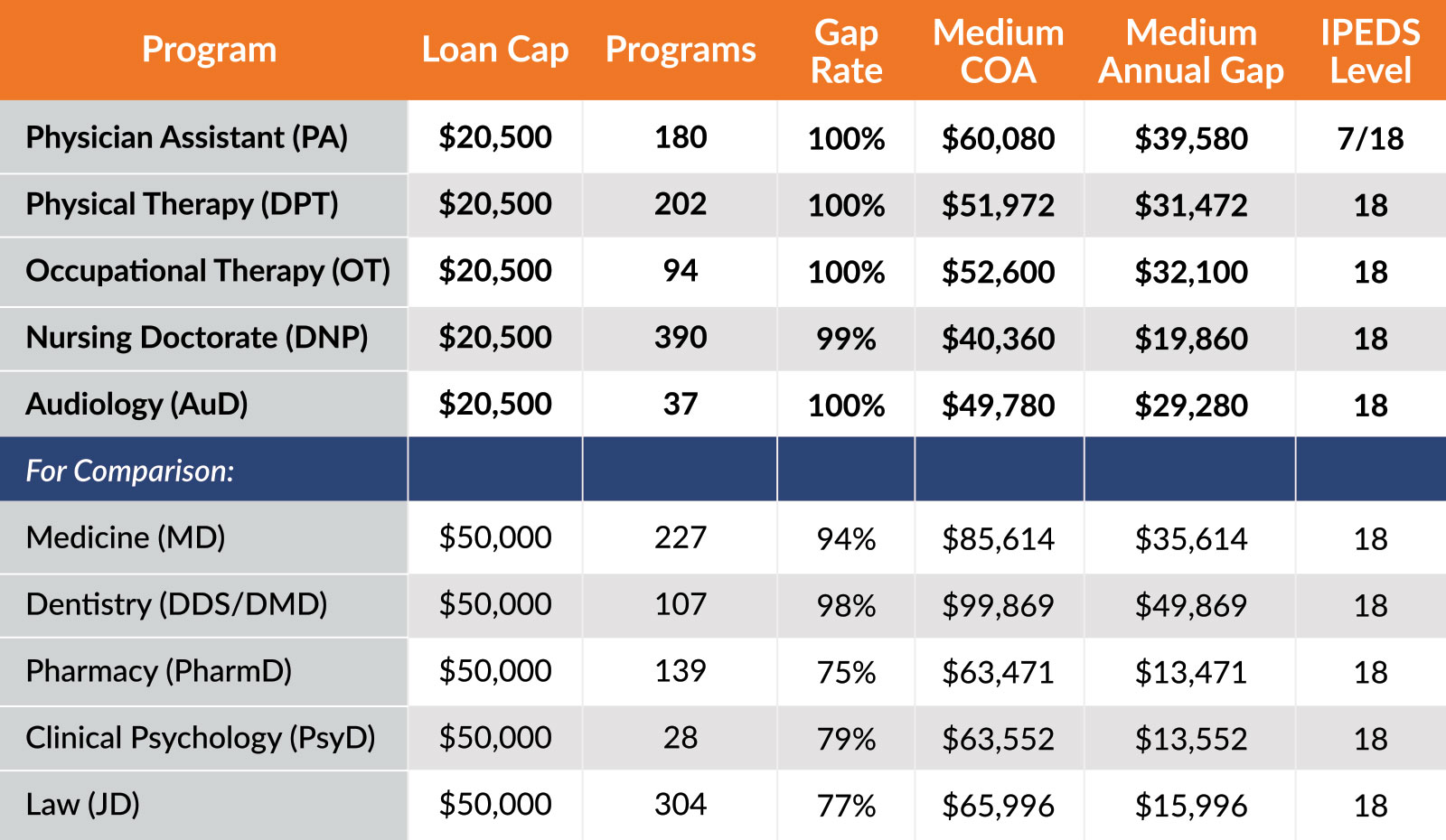
The legislation, known as the "Big Beautiful Bill," sets a $200,000 cap for professional degree programs and a $100,000 cap for other graduate programs. An overall lifetime borrowing limit of $257,500 applies to new borrowers, and parents face new limits on loans for their children's education. Previously, graduate students could borrow up to the full cost of attendance. Researchers estimate that more than half a million borrowers will need an extra $20,000 per year from non-federal sources.
Private lenders see surge
Private lenders are reporting sharp increases in originations. SoFi said student loan originations reached $2.9 billion in the third quarter, nearly double the previous year. Sallie Mae, which controls over half the private student loan market, reported a 119% year-over-year jump in graduate loans. Private loans generally offer less flexible repayment terms, no public service forgiveness, and often higher interest rates than federal loans.
Schools respond with own lending
Some institutions are stepping in to help. South Carolina Student Loan saw graduate borrowing rise 400% this year. The University of Kansas School of Law began offering its own loans, approving eight so far. Lewis & Clark College in Portland introduced a new scholarship for students affected by the caps, while the University of Mount Saint Vincent in the Bronx reported more first-year students relying on private loans despite increased institutional aid.
Legal uncertainty delays aid
A court battle over which graduate programs qualify as "professional" and eligible for higher caps lasted until days before the rule took effect. A federal judge blocked lower limits for nursing, physical therapy, and several other fields. The last-minute changes slowed software updates and delayed financial aid packages, extending the peak lending season into October. Students and families flooded schools with questions about the new rules.
Concerns over access
Critics argue most colleges cannot afford to lower tuition and warn the changes will create new hurdles for low-income students. Some students are using savings to pay out of pocket, while others are reconsidering graduate education altogether. Dr. Robert Harrington, dean of Weill Cornell Medicine, fears programs may become accessible only to those whose families can afford the full cost.