By Basant El-Faramawy
NASA has successfully tested a new autonomous navigation system designed to help spacecraft identify safe landing sites on the Moon and other planetary bodies. The technology, known as the Safe and Precise Landing – Integrated Capabilities Evolution (Splice), was evaluated during simulated lunar descent maneuvers using an Alta-X drone in California's Mojave Desert.
Successful Desert Test
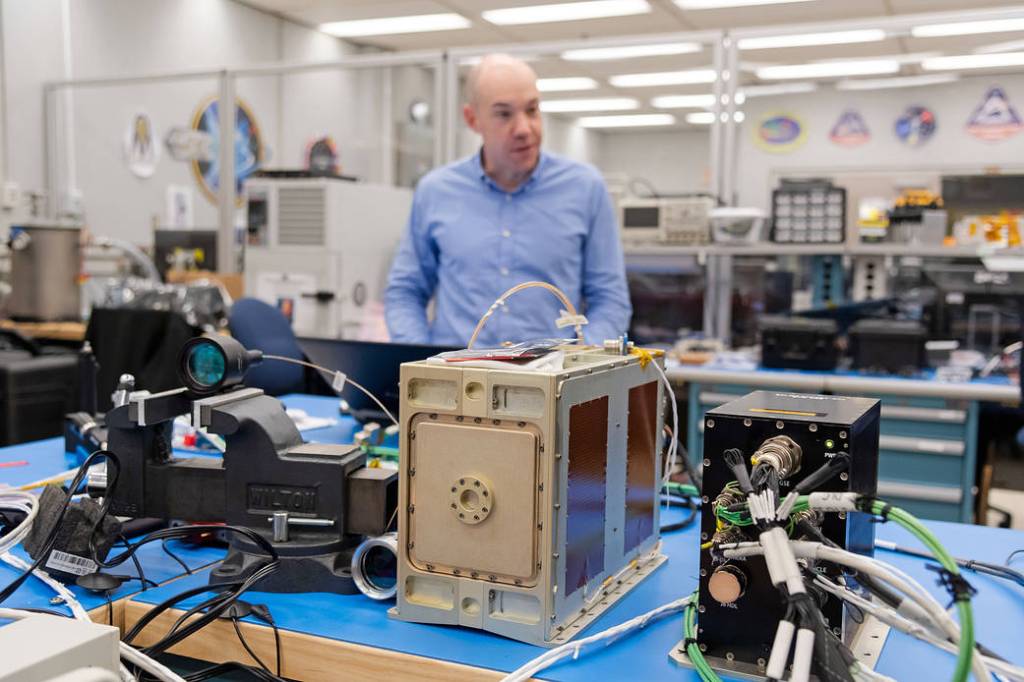
The trials, conducted in August at NASA's Armstrong Flight Research Center in Edwards, California, verified communications, data handling, and command-control performance between the Splice payload and the drone. The system generates high-resolution digital elevation maps from lidar and sensor data to assess terrain hazards and divert the vehicle to safer locations if needed.
Splice System Details
Researchers at NASA's Johnson Space Center in Houston developed the Splice system over nearly a decade. Project manager Davis Adams said the flight test raised the technology readiness level, priming it for integration into future robotic and crewed lunar missions. He noted the guidance and navigation validation applies to terrestrial, lunar, and Martian descent and landing missions.
Future Lunar Plans
NASA aims to land astronauts on the Moon again in 2028 and establish a permanent lunar outpost by 2032. The agency is coordinating with industry partners on the use of the guidance system for commercial lunar landers, with a full-scale test planned later this month at Voyager Technologies.
Spacesuit Development
Separately, NASA announced plans with a specialist firm to develop a lighter spacesuit for moonwalks, roughly half the weight of the main suits currently in development for longer missions.