
By Fatma Younis
An international team of archaeologists has uncovered evidence suggesting that humans consumed cannabis for its psychoactive effects at least 2,800 years ago, pushing back the earliest known use by several centuries.
Discovery at Siberian Burial Mound
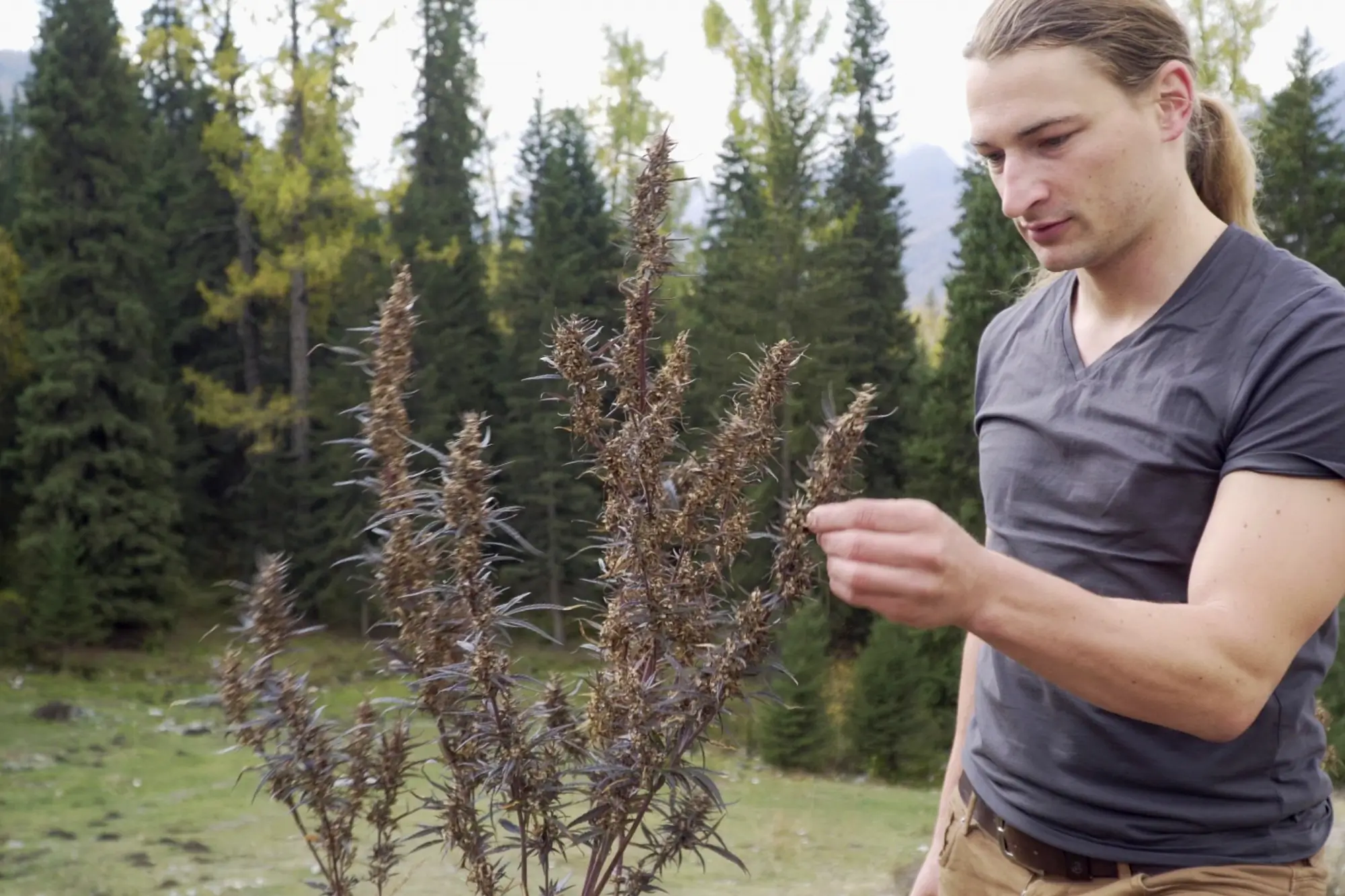
The findings come from a monumental burial mound known as Tunnug 1 in the Uyuk Valley of southern Siberia, a site associated with the ancient Scythian nomads. Excavations that began in 2017 revealed more than 1,000 cannabis seeds alongside preserved human hair within the tomb.
Analysis of Hair and Seeds
Researchers from Germany, Russia, Sweden, and Switzerland analyzed the hair and seeds using radiocarbon dating and chemical testing. Co-author Gino Caspari, an archaeologist at the University of Bern, said the combination of preserved plant material and human soft tissue with active compounds is extremely rare. The seeds were deliberately deposited, indicating the plant held significance for the community, though it remains unclear whether the cannabis was inhaled or ingested.
Skepticism from Independent Expert
Not all experts are convinced. Volker Auwaerter, head of forensic toxicology at the University Medical Center Freiburg, criticized the hair analysis as scientifically weak and said the data cannot distinguish between consumption and external contamination from burial alongside the plant material. He argued that a dedicated forensic toxicology lab test would have been advisable.
Context of Ancient Cannabis Use
Historical accounts, including those by the Greek historian Herodotus around 440 B.C., describe Central Asian inhabitants smoking cannabis. Previous archaeological work had found cannabis seeds in highland tombs across the region, but their presence alone does not confirm psychoactive use, as the plant was also valued for oil and fiber.


