By Sohaib Shams
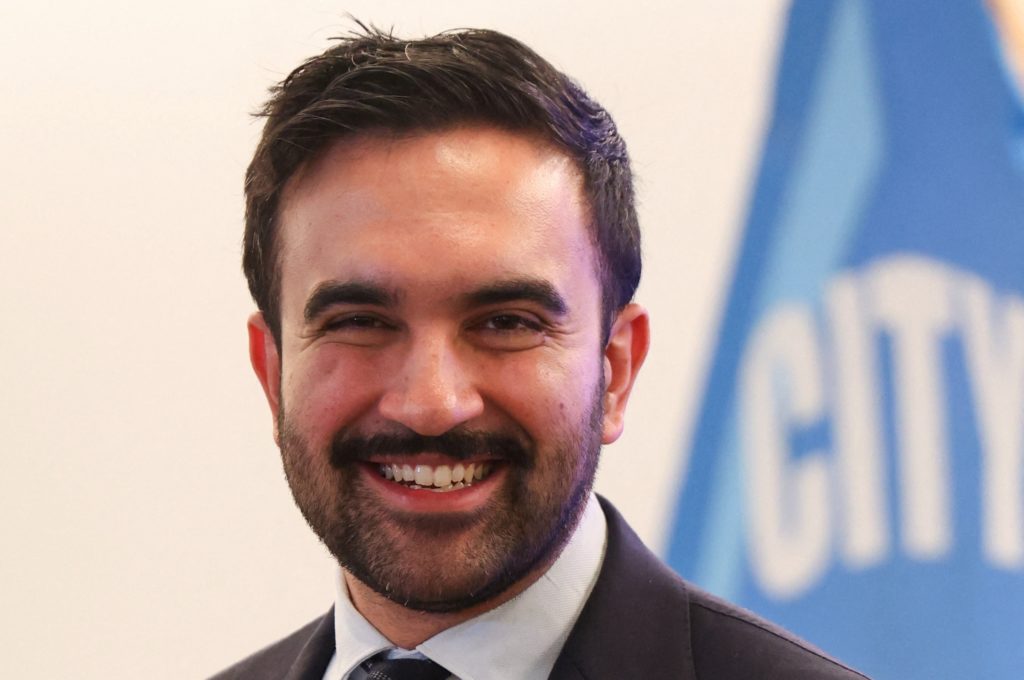
New Zealand voters head to the polls in a general election that analysts say is too close to call, with the center-right National Party led by Prime Minister Christopher Luxon and the center-left Labour Party led by Chris Hipkins locked in a tight race after a tense campaign.
Incumbent Luxon Faces Economic Headwinds
Luxon, a former business executive who became prime minister in 2023, campaigned on promises to revive New Zealand’s post-pandemic economy. While his government has signed trade deals, economic recovery has been sluggish and unemployment reached an 11-year high in the September quarter. Stubbornly high living costs have driven thousands of New Zealanders to move to Australia each year.
Hipkins Struggles to Capitalize on Government Discontent
Labour’s Chris Hipkins, who became prime minister nine months before the 2023 election after Jacinda Ardern’s resignation, is seeking a return to power. His party pledges to ease cost-of-living pressures and boost funding for the public health system, but recent polls show neither Labour nor National surpassing 30% support.
Minor Parties Gain Influence as Major Parties Falter
Voter frustration with the two traditional parties has boosted smaller groups. The current governing coalition includes the populist New Zealand First and the libertarian ACT Party, which together pushed policies to roll back legal recognition of Indigenous Māori rights, sparking a protest of about 100,000 people at Parliament. Analyst Bernard Hickey described the dynamic as “two tails wagging one dog.”
New Centrist Party Could Decide the Outcome
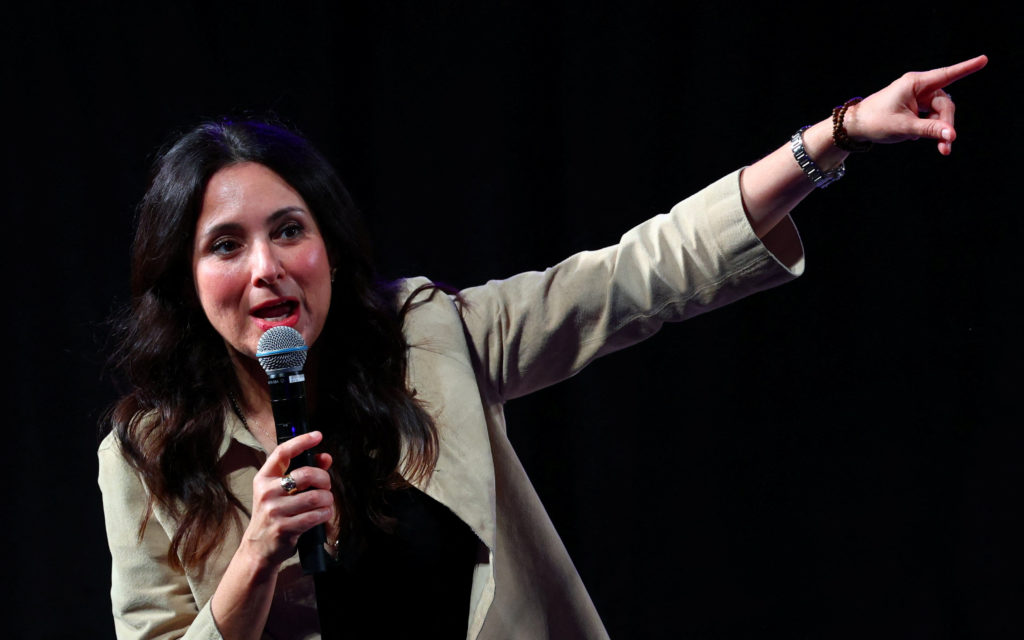
The Opportunity Party, a centrist, socially liberal group led by 38-year-old political novice Qiulae Wong, may enter parliament for the first time and hold the balance of power. Wong has pledged to negotiate first with the party that wins the most votes, though Luxon has ruled out a coalition with Opportunity.
Unprecedented Single-Term Defeat Looms
If Luxon loses, it would mark the first time in modern New Zealand history that a government is ousted after a single three-year term. The country of 5 million people has historically favored long alternating periods of National and Labour rule, but analysts say the electorate is now more polarized than ever. Official results covering 95% of votes are expected on election night, with a final tally due on November 27.