By Karim Hammam
As temperatures drop, plumbing experts warn that frozen pipes can burst and cause extensive water damage. Most preventive measures are inexpensive and simple enough for homeowners to handle themselves.
Why Pipes Freeze
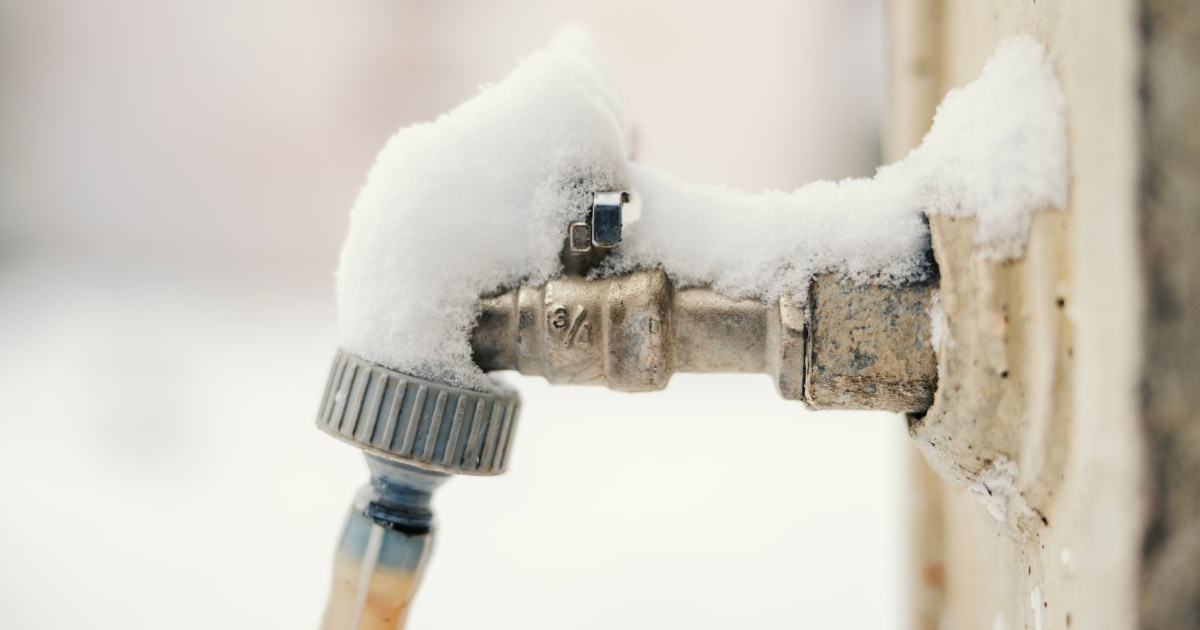
Water expands when it freezes, creating pressure that can crack or burst pipes. Pipes in unheated areas such as attics, basements, and outdoor plumbing are especially vulnerable because they lack sufficient insulation or heat.
Recommended Prevention Products
Plumbers Steve Clemente of Benjamin Franklin Plumbing and Mike Rippel of Quality Pro Services suggest several products. Foam insulation tape wraps around pipes to reduce heat loss. Pre-slit foam pipe covers fit half-inch to three-quarter-inch pipes and can be trimmed. Outdoor faucet covers with insulating cotton and drawstring straps shield spigots. Smart leak detectors like the Moen Flo monitor water temperature and can automatically shut off the supply if freezing risk is detected.
Additional Preventive Steps
Experts advise disconnecting garden hoses and draining outdoor water lines before cold weather arrives. Insulate exposed pipes in unheated spaces. Keep the heating system serviced and maintain a low temperature even when away. During severe cold snaps, let faucets drip slowly to keep water moving.
Temperature Threshold
Pipes can freeze when temperatures fall below 32 degrees Fahrenheit, but the speed depends on how long the cold lasts and how well pipes are protected. Outdoor and poorly insulated lines stay cold longer and should be prioritized.
Signs of Frozen Pipes
A faucet that only trickles or does not run, frost on exposed pipes, and unusual sounds when water tries to move are early warnings. A frozen pipe is not always a disaster but should not be ignored.
What to Do If a Pipe Bursts
Immediately shut off the main water supply to prevent flooding when the ice thaws. Know the location of the shutoff valve beforehand. Call a licensed plumber to assess and repair the damage. If water reaches electrical outlets or panels, turn off power to the affected area. Photograph the damage and contact your homeowners insurance, as many policies cover sudden water damage from burst pipes.