By Sohaib Shams
In-shower moisturizers offer an alternative to traditional body lotion by hydrating wet skin after cleansing, eliminating the need for post-shower application, according to board-certified dermatologist Dr. Michele Green.
How In-Shower Moisturizers Work
Dr. Green explains these products are designed for application on damp skin at the end of a shower. They contain emulsifiers that blend with water to create a milky texture that spreads easily, leaving a thin protective layer after rinsing.
Top Product Recommendations
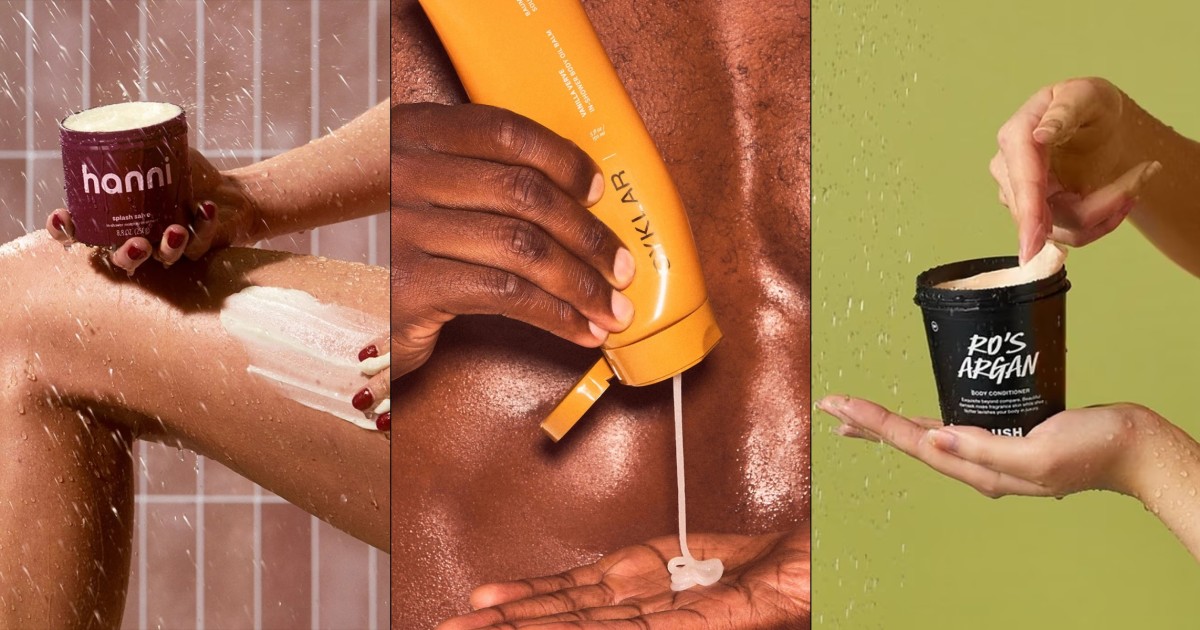
NBC Selected tested several options with input from Dr. Green and staff editors. The Cyklar Vanilla Verve In-Shower Body Oil Balm ($29 at Sephora) earned best overall for its moisturizing lipid complex, ceramides, and coconut seed butter. For sensitive skin, Dr. Green recommends Curél Hydratherapy Wet Skin Moisturizer ($20.98 at Amazon) with ceramides and vitamin E. Hanni Splash Salve ($37 at Amazon/Sephora) is an editor's pick featuring shea butter, jojoba oil, and glycerin. Budget-friendly Nivea Cocoa Butter In-Shower Body Lotion ($7.97 at Amazon) offers rich texture for rough areas. Lush Ro's Argan Body Conditioner ($40 at Ulta, $13.50 at Lush) softens with argan and Brazil nut oils. Jergens Weightless Wet Skin Moisturizer ($11.49 at Amazon) provides fast absorption with hyaluronic acid and coconut fragrance. Avène Moisturizing Melt-In Balm ($40 at Amazon) is a splurge option for sensitive skin with glycerin, shea, and safflower seed oils.
Shopping Guidance and Ingredients
Dr. Green advises looking for emollients (shea butter, cocoa butter), humectants (glycerin, hyaluronic acid), and barrier-strengthening ingredients (ceramides). In-shower balms primarily address dryness by sealing in hydration from the shower. They can also target irritation with colloidal oatmeal, textural issues with urea or lactic acid, and eczema with ceramide formulas.
Usage and Comparisons
In-shower balms suit those with dry, rough skin or anyone finding traditional lotions too heavy. They can be used daily, though oily or acne-prone skin may benefit from less frequent use. Dr. Green notes they serve a different purpose than body serums or toners, which target specific concerns with active ingredients.