By Sohaib Shams
The United Nations General Assembly voted Wednesday on a resolution condemning the decades-long U.S. economic embargo on Cuba, as the Trump administration escalates pressure on the island's socialist government.
Overwhelming support expected despite U.S. campaign
The annual resolution has been presented for 34 years and consistently receives broad backing. Last year's vote was 165-7 with 12 abstentions. While passage by a large margin is expected, the Trump administration's overt lobbying may increase opposition or abstentions from key allies.
Tensions spill into public confrontation
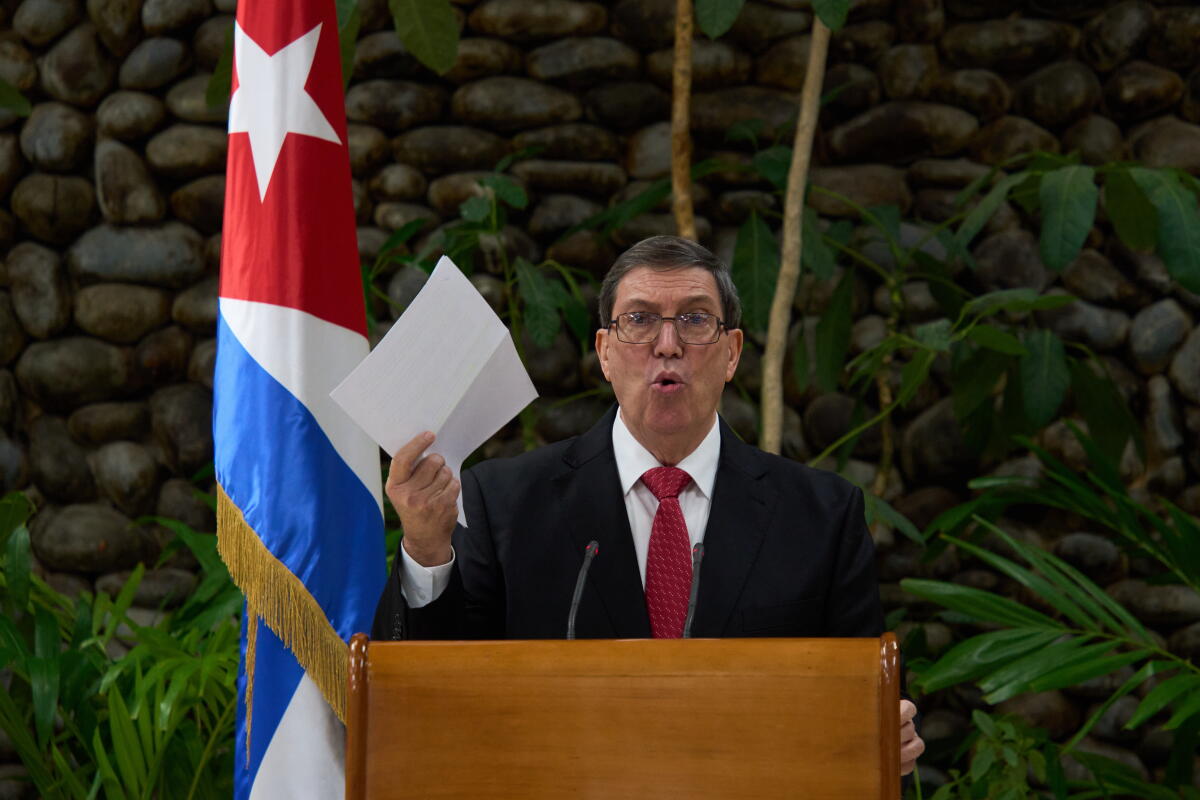
The vote follows a heated exchange on the General Assembly floor Tuesday between U.S. Ambassador Mike Waltz and Cuban Foreign Minister Bruno Rodríguez. After Waltz criticized Cuba's government, Rodríguez approached the podium, called Waltz a liar, and sought a point of order. Waltz responded aggressively, asserting U.S. dominance. Rodríguez later posted on X that the U.S. was justifying economic aggression.
Escalating economic pressure
The Trump administration has intensified sanctions, including January tariffs on any country supplying oil to Cuba. The move has effectively cut off fuel, causing widespread power outages that disrupt cooking, water supply, internet, and phone services. Trump also recently suggested U.S. warships could stop in Cuba en route from Iran.
Historical context
The U.S. embargo began in 1960 after Fidel Castro's revolution nationalized U.S. properties. Cuba has faced chronic economic hardship, now pushed to a breaking point by the latest measures.