By Ahmed Abdelsalam
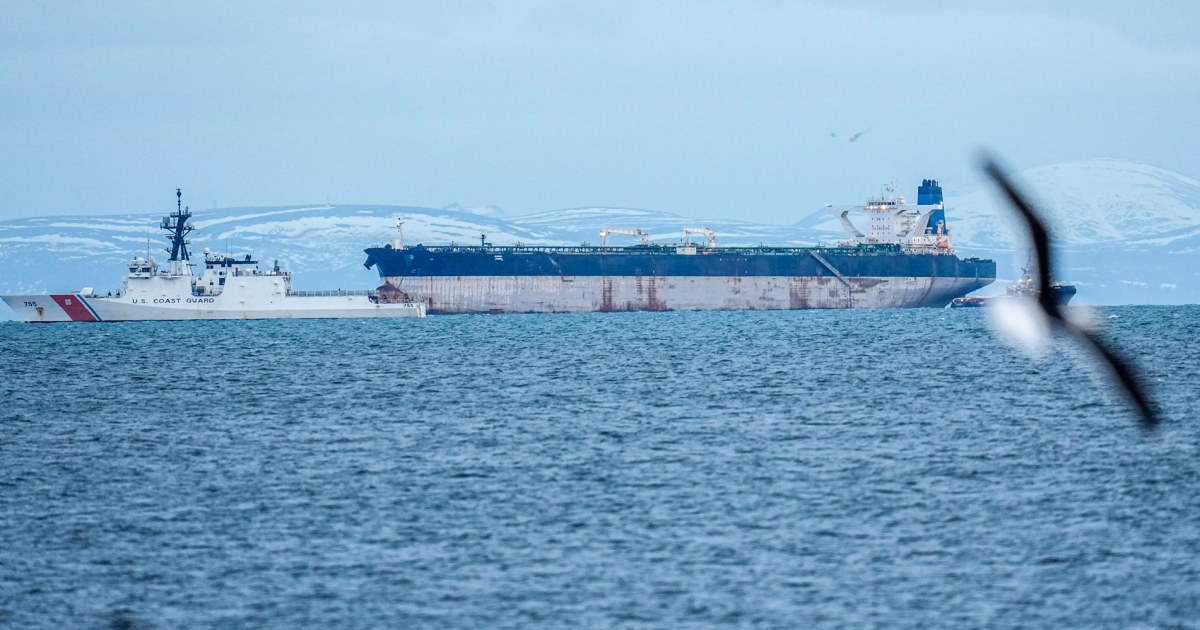
Two sanctioned tankers carrying Russian diesel have changed course away from the U.S. East Coast after state and federal officials warned that handling the shipments could bring legal consequences, casting doubt on President Donald Trump's plan to import Russian fuel.
Trump-Putin Agreement Faces Hurdles
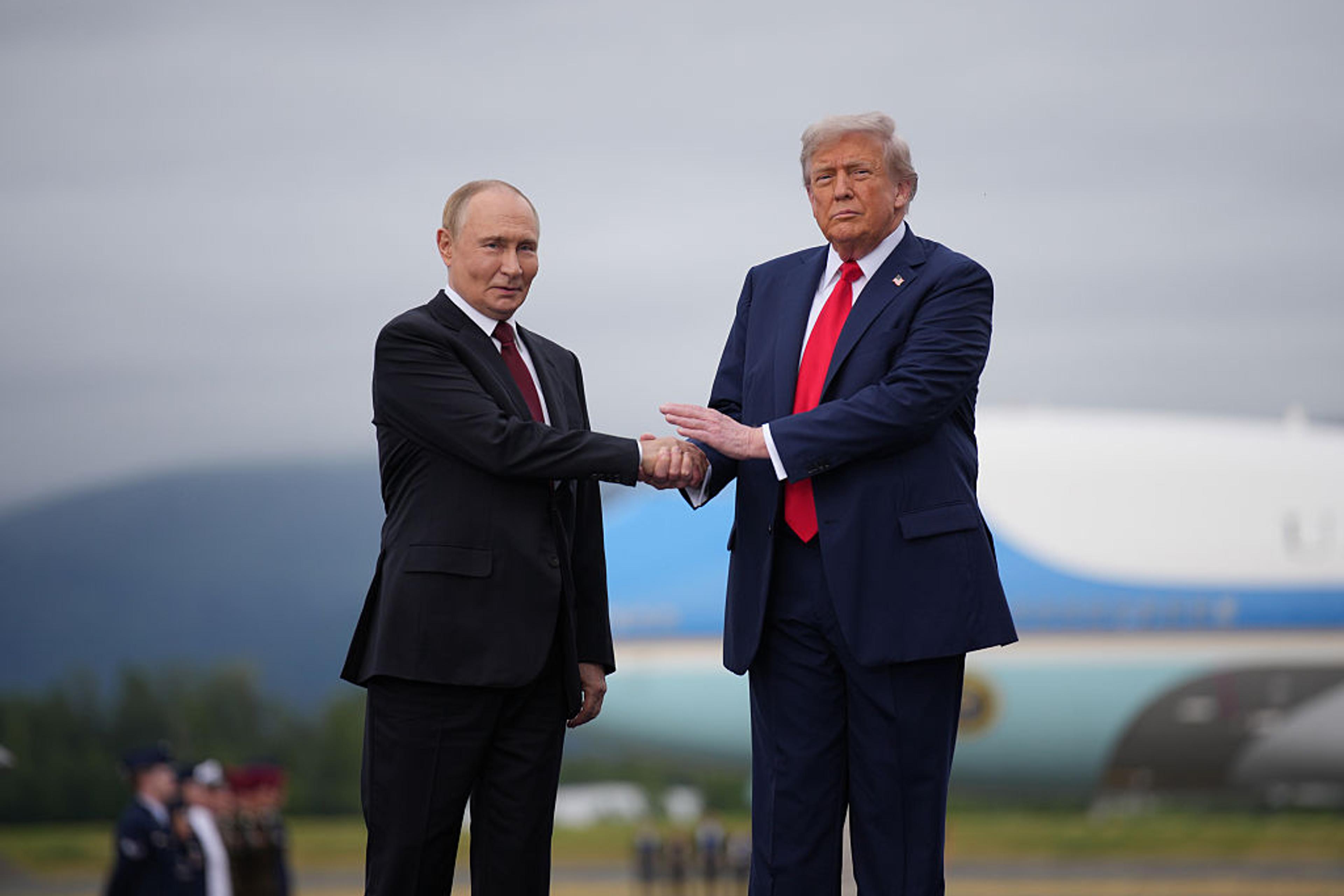
Trump announced an agreement with Russian President Vladimir Putin on Oct. 9 to make more than 300,000 metric tons of Russian diesel available to U.S. and global markets. The U.S. banned Russian energy imports after the 2022 invasion of Ukraine, and the deal angered lawmakers and foreign allies. No confirmed U.S. delivery has yet materialized.
Tankers Change Course
Two tankers that departed from the Baltic Sea port of Primorsk last month originally declared destinations on the U.S. East Coast. As of Thursday, one had diverted toward Brazil and the other into the Mediterranean, according to marine data company Kpler and vessel traffic site MarineTraffic.com. A third vessel in the North Atlantic changed its destination from New York to "for orders," leaving the unloading point open.
New Jersey Governor Warns Port Operators
New Jersey Gov. Mikie Sherrill advised port and terminal operators in her state to turn away ships carrying Russian fuel. In a letter dated Monday, she warned that "any effort to profit from the illegal trade in Russian fuel will be met with harsh penalties," arguing the Trump administration lacks authority to override the import ban enacted by Congress.
Bipartisan Senators Oppose Deal
A bipartisan group of senators has urged Trump to negate the agreement, saying the U.S. "should not provide Putin with a financial lifeline." Lawmakers also warned major banks, port authorities and fuel distributors that facilitating the imports could expose companies to civil or criminal liability and future congressional investigations.
Treasury Defends Authorization
The Treasury Department stated that the sanctions exemption issued by its Office of Foreign Assets Control for the sale, delivery, unloading and importing of Russian diesel until April 7 is consistent with previous actions and "in compliance with all applicable laws." A Trump administration official said en route shipments would reduce price pressures for Americans but did not specify whether any Russian fuel would reach the U.S. directly.
Market Impact and Price Concerns
Expensive diesel affects consumer prices because the trucking industry and many farmers use the fuel to produce and transport goods. Trump has blamed Ukrainian President Volodymyr Zelenskyy for this year's diesel spikes and pressed Ukraine to halt drone attacks that damaged Russian refineries and curbed production.
Analysts Skeptical on U.S. Buyers
Kpler analyst Matt Smith said it was unclear if Russian diesel shipments had U.S. buyers yet and that the third tanker might also change course. "Because of regulatory, sanctions concerns, we may not see this cargo discharge on the U.S. Atlantic coast," Smith said.
Kremlin Responds
Kremlin spokesman Dmitry Peskov said details were not available about commercial shipments but that "all the diesel will find its buyers." Putin's special envoy, Kirill Dmitriev, dismissed the Financial Times report on the diverted tankers as "fake," posting on X that "tankers destined for the US continue on course."