
By Fatma Younis
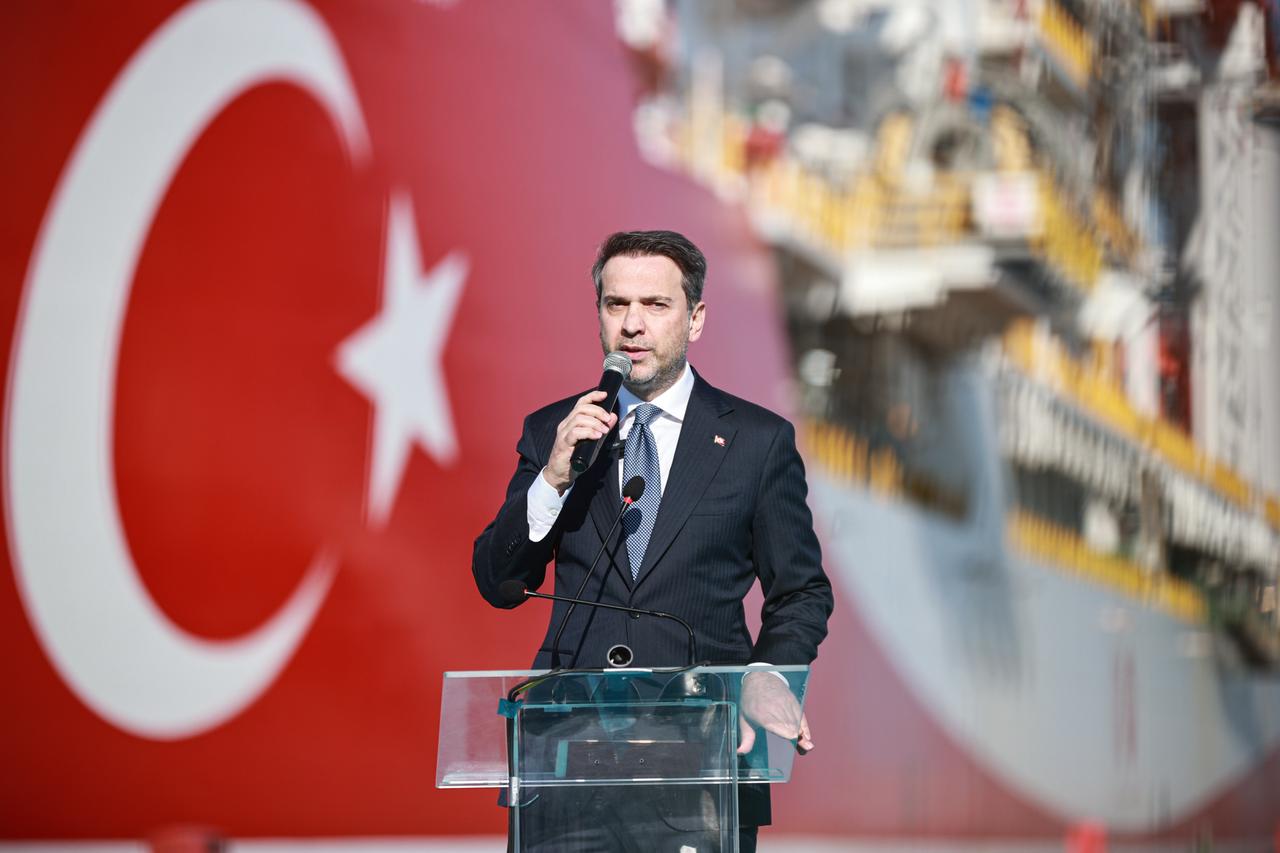
Turkey’s Energy Minister Alparslan Bayraktar has presented a national strategy to sharply reduce the country’s reliance on coal and other fossil fuels as it prepares to host the COP31 climate summit in Antalya next week.
National Energy Plan 2040 Targets
The National Energy Plan 2040 aims to raise the share of electrification in energy consumption to 36 percent by 2040, up from current levels. Solar and wind capacity would more than quadruple over the next 13 years, while the number of electric vehicles on Turkish roads is projected to grow from about 500,000 to 20 million.
Massive Investment Required
Achieving the transition would require an estimated $500 billion over 13 years, with $210 billion expected from Turkish public-sector companies and the remainder from foreign investment. Bayraktar stressed that global carbon neutrality goals demand substantial financial commitments from all nations.
Just Transition for Coal Workers
Coal still accounted for 33 percent of Turkey’s electricity generation last year, making it Europe’s largest coal power producer. The minister acknowledged that 30,000 to 40,000 jobs depend on coal mining and pledged a “just transition” to cleaner energy without harming those communities.
Natural Gas and Nuclear Expansion
Turkey will continue to rely on natural gas for the foreseeable future. Black Sea gas production is set to double to 7.5 billion cubic meters annually. Meanwhile, the Akkuyu nuclear plant on the Mediterranean coast is nearing operation, and a second station is planned by the Black Sea, supporting a goal of energy independence by 2040.
Challenges and International Context
Bayraktar cited sanctions linked to the wars in Ukraine and Iran as obstacles to climate action. The Climate Action Tracker rates Turkey’s current targets and policies as “critically insufficient” under the Paris Agreement. At COP31, the minister will urge countries to adopt “responsive and realistic policies” to reach carbon neutrality.

