By Basant El-Faramawy
Over-the-counter teeth whitening products provide a more affordable alternative to professional dental treatments, though they require consistent use to achieve visible results, according to a comprehensive guide updated October 27, 2026. Professional in-office whitening remains the fastest and most effective method, but costs more and takes more time. The guide, reported by Zoe Malin, draws on interviews with three dental experts and hands-on testing by the NBC Select team.
Top Product Categories and Recommendations
The guide evaluates seven main types of OTC whitening products: strips, prefilled trays, gel for custom trays, toothpaste, mouthwash, pens, and LED light kits. Dentists consulted do not recommend LED kits, stating the lights in at-home kits are significantly weaker than professional versions and do not enhance results. Strips, trays, and gels for custom trays are considered the most effective because they contain higher concentrations of active bleaching ingredients, primarily hydrogen peroxide and carbamide peroxide.
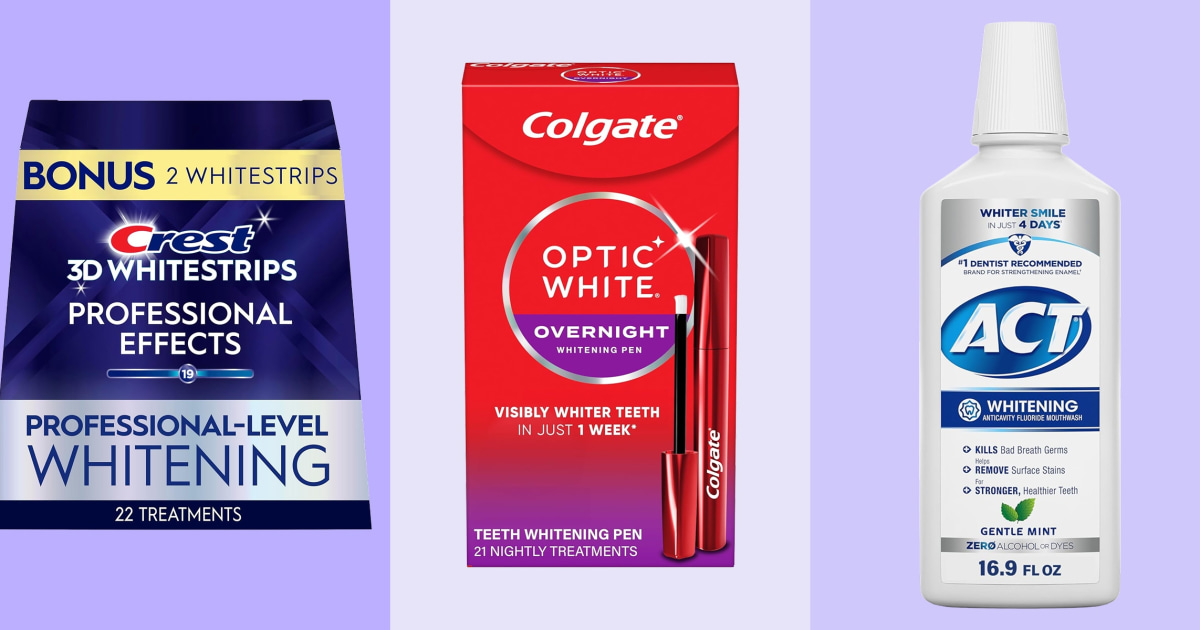
Among specific products, Crest 3D Whitestrips Professional Effects earned top marks for strips due to their non-slip grip and ADA approval. Opalescence Go Trays, made with 10% hydrogen peroxide gel, were praised for comfort and professional-grade strength. Opalescence Whitening Gel Syringes, available in four concentrations, require custom trays from a dentist. For toothpaste, Crest 3D White Brilliance Deep Stain Remover showed rapid results in staff testing, while Opalescence Whitening Toothpaste and Sensodyne Clinical Repair Whiten & Shine were noted for effective brightening and sensitivity relief respectively. Colgate Total Active Prevention Whitening Toothpaste offers 24-hour antibacterial protection. ACT Whitening + Anticavity Fluoride Mouthrinse uses hydrogen peroxide and fluoride without alcohol or dyes. Colgate Optic White Overnight Whitening Pen features a precision brush for targeted application.
Expert Guidance on Selection and Use
Dr. Matt Messina of The Ohio State University College of Dentistry recommends lower-concentration products like toothpaste, mouthwash, and pens for beginners or as maintenance after stronger treatments. Dr. Erin Fraundorf of Boca Orthodontic and Whitening Studio notes that custom trays made by a dentist better isolate whitening material and protect gum tissue. Dr. Ilona Casellini of Swiss Quality Smile emphasizes that compliance is key: most people do not use at-home products consistently enough to see results. All experts advise consulting a dentist before starting treatment, especially for those with sensitivity history, and following product directions exactly to avoid enamel dehydration, brittleness, and increased sensitivity.
Safety, Effectiveness, and Limitations
OTC products mainly correct surface-level discoloration, not deep internal stains. They are ineffective against discoloration from cavities, tooth decay, plaque buildup, or gum irritation. Natural and DIY methods such as charcoal toothpaste, acidic fruit pastes, vinegar, baking soda, and oil pulling are not recommended; the ADA warns they can reduce tooth hardness and increase sensitivity. Whitening is not suitable for people with crowns, bridges, or veneers near natural teeth, as it can create color mismatches. Those with gum recession, cracks, untreated cavities, or severe sensitivity should avoid OTC products and seek professional care.
Causes of Stains and Prevention
Common causes of tooth stains include poor oral hygiene, pigmented foods and drinks (coffee, tea, red wine, berries), genetics, thin enamel, smoking, and certain medications. Prevention strategies include brushing twice daily with fluoride toothpaste, flossing, regular dental cleanings, using a straw for dark beverages, rinsing with water after consumption, choosing flat over sparkling water, and avoiding tobacco.