By Basant El-Faramawy
The Bank of England raised interest rates on Thursday for the first time in more than three years, increasing the base rate from 3.75 per cent to 4 per cent. Policymakers said the move was justified because inflation is rising in the UK economy and would continue to increase due to the ongoing war in Iran, adding that borrowing costs could rise further if the conflict persists.
Rate Decision Details
The Monetary Policy Committee's nine members all voted for the 25 basis-point hike, though Catherine Mann preferred a larger increase of 50 basis points. The central bank's base rate influences the cost of mortgages and loans, with higher rates aimed at curbing inflation by weighing on demand.
Impact on Borrowers and Savers
Homeowners on tracker mortgages will see immediate increases in monthly payments. Those on fixed-rate deals will not be affected until their current term expires, while savings account rates linked to the base rate may rise in the near future.
Inflation Outlook
Consumer Price Index inflation rose to 3.5 per cent in September, the highest in 11 months and well above the Bank's 2 per cent target. The war in the Middle East has driven up oil and gas prices, pushing household energy and fuel costs higher. The Bank expects inflation to accelerate further, peaking around 5 per cent in the second quarter of 2027, partly due to Ofgem's energy price cap jumping nearly 25 per cent in January to an average £2,150 annually. Food inflation, currently steady, is forecast to reach 4.8 per cent next year.
Government Response
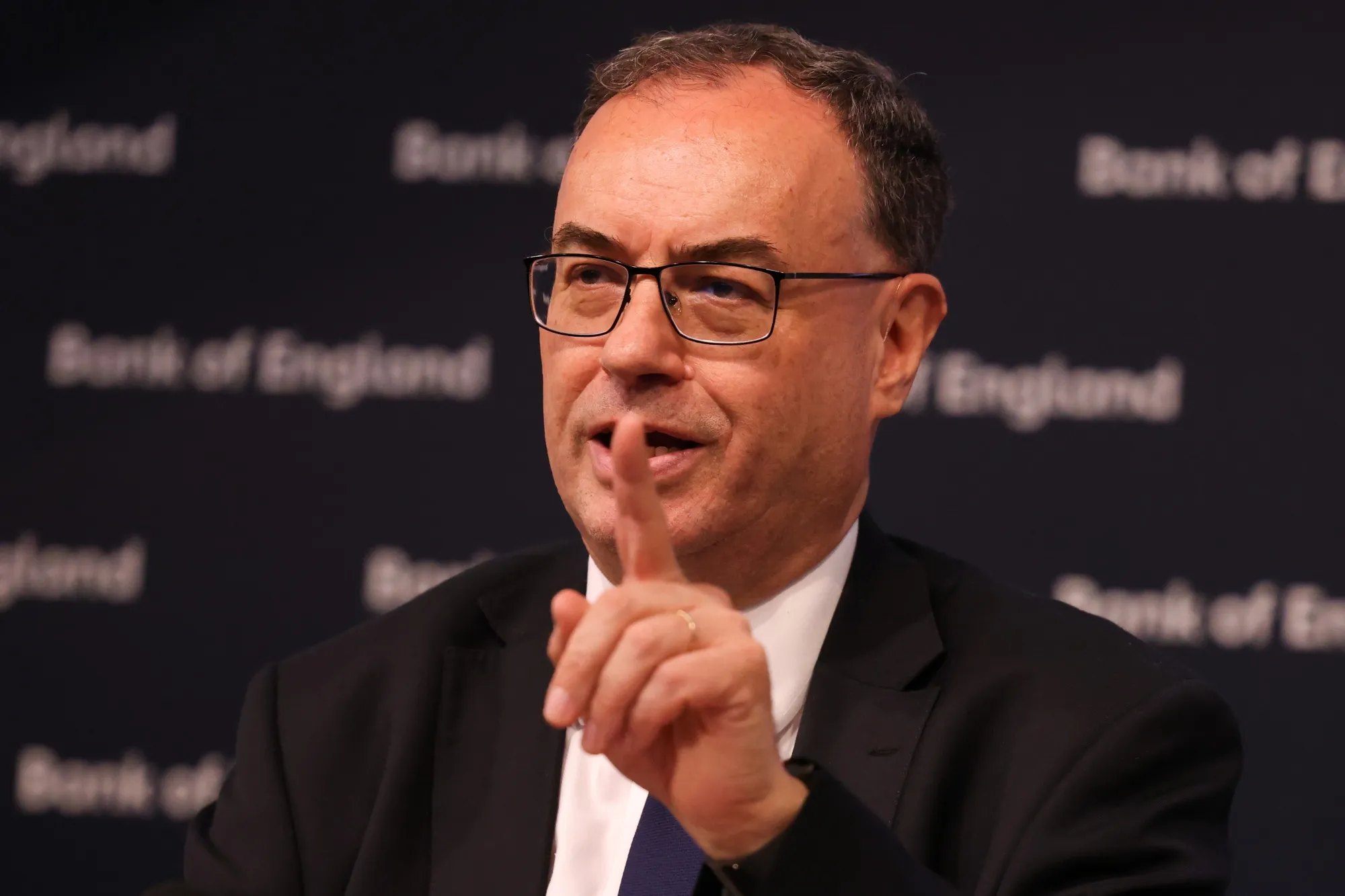
Chancellor John Healey said the Iran conflict is "reaching deep into the pockets of families and businesses" and pointed to autumn Budget measures including a £100 energy payment for 20 million households, an extended electricity bill tax cut, and a fuel duty freeze. Those measures are forecast to reduce the inflation rate by about 0.25 percentage points in the second quarter of next year. Governor Andrew Bailey warned that unless the Middle East conflict is resolved, further rate increases are likely, noting significant inflation pressure already in the pipeline from the upcoming energy price cap rise.