By Basant El-Faramawy
The European Union is demanding a firmer commitment from the British government to guarantee discounted university tuition fees for European students ahead of a high-level summit later this month.
Diplomatic pressure builds
At a meeting of senior EU diplomats on Wednesday, at least six member states opposed delaying a tuition fee agreement until after the summit. Many argue that failure to reach a deal should delay a prized food and drink agreement aimed at cutting Brexit red tape.
Burnham to meet EU leaders
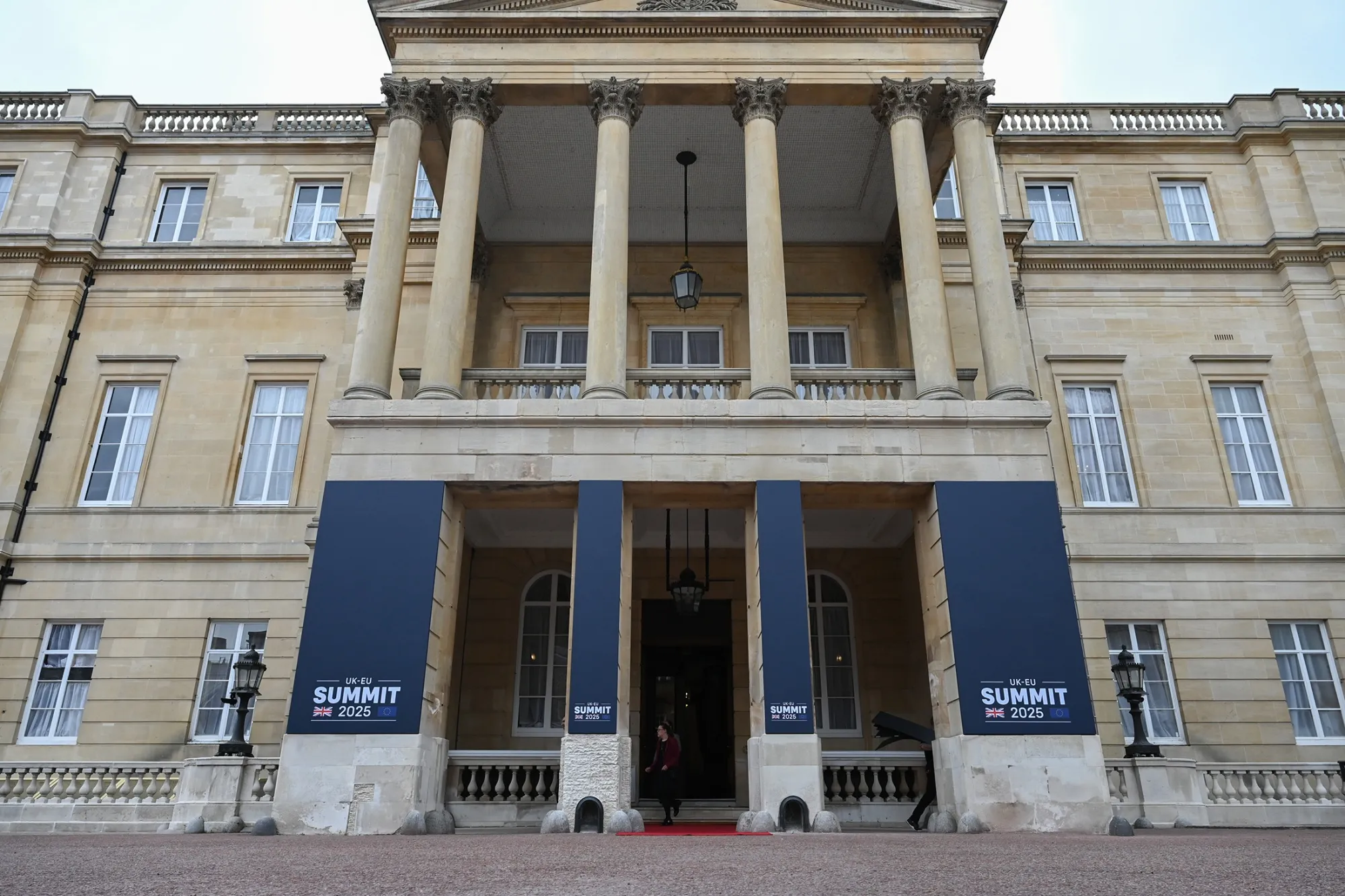
UK representative Andy Burnham is scheduled to meet European Commission President Ursula von der Leyen and European Council President António Costa on November 20 in Brussels. The summit aims to sign three agreements covering food and drink, carbon markets, and youth exchange, alongside a “trusted partnership” on steel and defence industries.
Pre-Brexit status quo sought
The longstanding dispute over whether EU students should pay international tuition fees at British universities remains unresolved. The EU wants a return to the pre-Brexit status quo where European students paid domestic rates, which are four to six times lower than international fees.
Member states demand resolution
European Commission negotiators proposed postponing a tuition fee agreement by six months to ensure the summit’s success. However, at least six member states, including several from central and eastern Europe, insist the issue be settled by the summit. EU diplomats say a large majority want a more convincing British commitment.
Youth scheme and leverage
The youth experience scheme, known as Yes, would allow people aged 18 to 30 to live, work, and study on both sides of the Channel. EU officials argue the bloc has leverage, noting the food and drink deal — a Labour manifesto pledge worth an estimated £5.1 billion annually to the British economy — would only enter force with a satisfactory tuition fee agreement.
Linked agreements at risk
Similarly, relinking emissions trading systems, which would protect British exporters from European carbon taxes, could be delayed pending agreement on tuition fees. EU sources also suggest talks on British reintegration into the European electricity market could be slowed without a deal.
Financial offer and industrial programme
The UK has indicated willingness to spend up to £450 million a year on discounted fees for EU students if granted access to the EU’s Made in Europe industrial programme. However, the EU says no deal on Made in Europe is expected at the November summit because the Industrial Accelerator Act is still being finalised.
Sectoral compromise and trusted partnership
A compromise between France and Germany on Made in Europe favourable to the UK currently applies only to cars, not other strategic sectors such as renewables and nuclear technology. The draft summit statement proposes a “trusted partnership” on strategic industries, starting with steel and defence, to prevent either side becoming collateral damage from trade measures targeting Chinese imports.