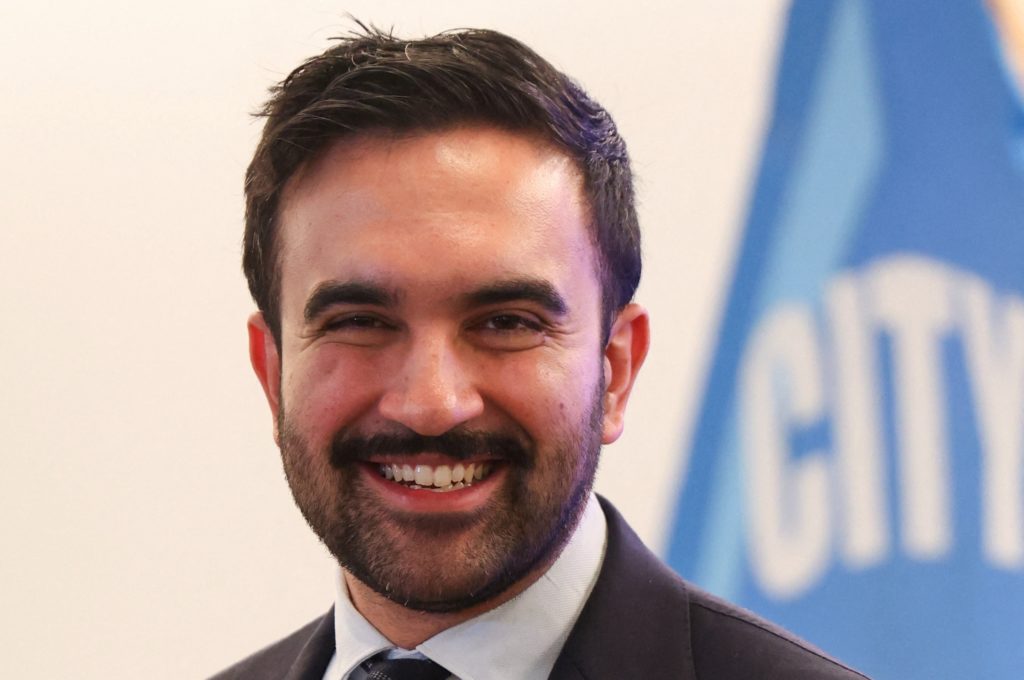
By Sohaib Shams
The Bank of England has increased its base interest rate for the first time in more than three years, lifting it to 4% from 3.75%. All nine members of the Monetary Policy Committee voted for the hike, though Catherine Mann favored a larger 0.5 percentage-point rise.
What the rate rise means for borrowers and savers
The base rate influences the cost of mortgages and loans. Higher rates aim to curb inflation by dampening demand, which can lead firms to limit price increases. Homeowners on tracker mortgages will see immediate payment increases, while those on fixed-rate deals will face higher costs when their current term ends. Savings rates are also linked to the base rate, so some savers may benefit from higher returns.
Inflation drivers and current levels
UK Consumer Prices Index inflation rose to 3.5% in September, the highest in 11 months, well above the Bank's 2% target. The conflict in Iran has disrupted oil and gas supplies, pushing up energy and fuel prices and feeding into broader inflation.
Future inflation outlook
The Bank expects inflation to accelerate in the coming months, peaking around 5% in the second quarter of 2027. Ofgem's household energy price cap is forecast to jump nearly 25% in January, raising average annual bills to £2,150. Higher energy costs could ripple through supply chains, and food inflation is projected to climb as high as 4.8% next year.
Prospects for further rate increases
Governor Andrew Bailey warned that interest rates will likely need to rise further if the Iran conflict remains unresolved. He said the increase should not be seen as the start of an inevitable long sequence, but nor is it likely to be the last hike unless the Middle East situation improves. Even if oil and gas prices fall, significant inflation pressure is already in the pipeline from the upcoming energy price cap rise.
Government response
Chancellor John Healey said the Iran conflict is reaching deep into the pockets of families and businesses. He pointed to measures in his autumn Budget, including a £100 energy payment for 20 million households, an extended tax cut on electricity bills, and a fuel duty freeze. Those measures are forecast to reduce the inflation rate by about 0.25% in the second quarter of next year.