By Basant El-Faramawy
Australians have yet to see tangible benefits from the artificial intelligence and datacentre boom, while the Reserve Bank warns the investment surge is adding to inflationary pressures and the United States midterms show the issue can become political kryptonite for governments.
RBA highlights inflationary pressures from datacentre investment
Reserve Bank governor Michele Bullock said datacentre-related investment had been "much stronger than expected" and added to demand when the domestic economy is already capacity constrained. The RBA lifted interest rates to an 18-year high this week, citing datacentres as part of growing inflationary pressures. Bullock acknowledged she could not predict when AI would have a positive impact on inflation, saying "your guess is as good as mine".
Productivity gains uncertain, says Bullock
Bullock noted that if productivity improves dramatically because of AI, faster growth could follow, but warned it could also increase the neutral interest rate. She cautioned that productivity improvements would not necessarily lower inflation or keep interest rates low.
Deloitte reports $141bn datacentre pipeline
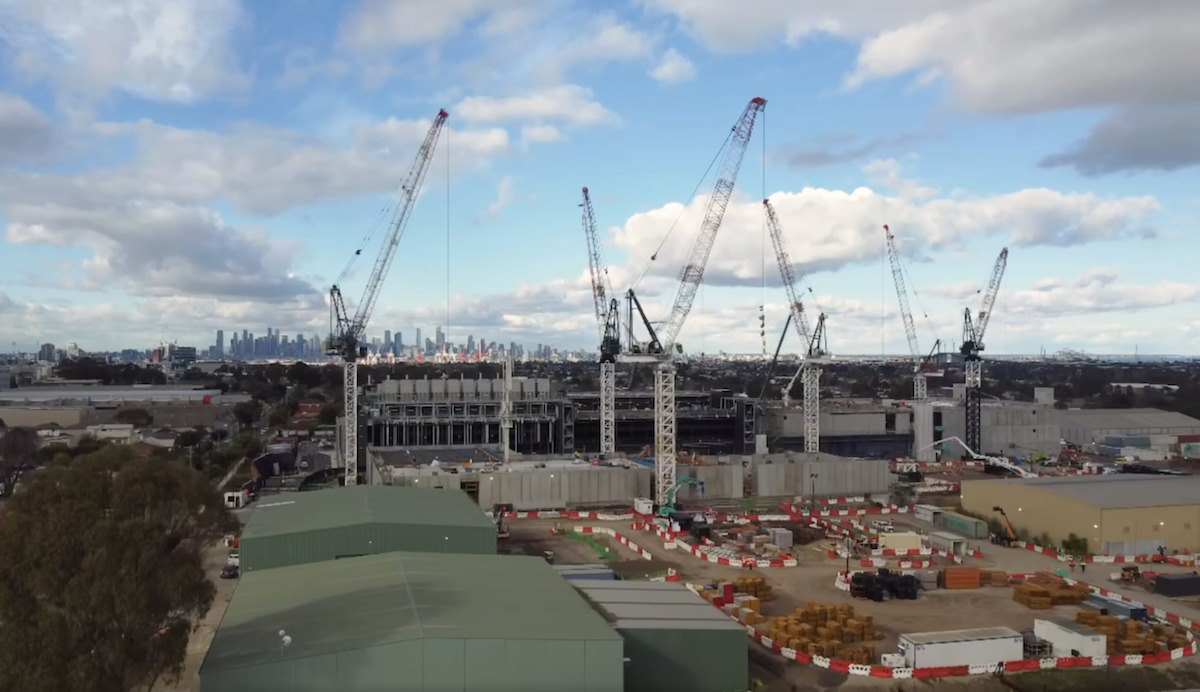
Deloitte Access Economics reported Australia's $1.39 trillion investment pipeline includes 37 datacentres worth $141 billion, a 36% increase in a year. Deloitte director Sheraan Underwood said the boom competes directly with housing and infrastructure for workers and materials, and Australia has "less room to absorb" the surge. The firm warned construction demand and inflation pressures are arriving now, while the productivity dividend may come much later.
US voter backlash offers warning for Labor
In the United States, polling shows half of Americans oppose datacentres near their homes, and NBC exit polls found 56% of voters said AI and datacentres were crucial or major factors in the midterms. Dozens of towns held public votes on restricting construction, with proposals to limit development winning overwhelmingly. The Australian backlash is smaller but growing, with community groups organising protests.
Alternative policy options considered
Senator David Pocock has proposed a Senate committee to investigate alternatives to monetary policy, including temporary progressive changes to income tax or superannuation. Independent economist Saul Eslake suggested a small rise in superannuation rates could curb spending. Pocock also floated taxes on windfall profits and gas exports. The Albanese government has struggled to articulate how the technology will benefit ordinary Australians, who face uncertainty and cost-of-living pressures.