
By Islam El-Sakka
Democratic doctors and scientists scored sweeping victories in the 2026 U.S. midterm elections, a shift organizers call a "STEM swing" and "revenge of the nerds" that repudiates the Make America Healthy Again (Maha) movement and years of cuts to health and science infrastructure.
Health professionals flip seats nationwide
The political group 3.14 Action, which recruits and funds Democratic health professionals, said the results show 2026 was a healthcare election driven by affordability concerns. Executive director Erik Polyak noted the group is still tallying wins across hundreds of state races, many not yet reporting.
Historic firsts for Democratic physicians
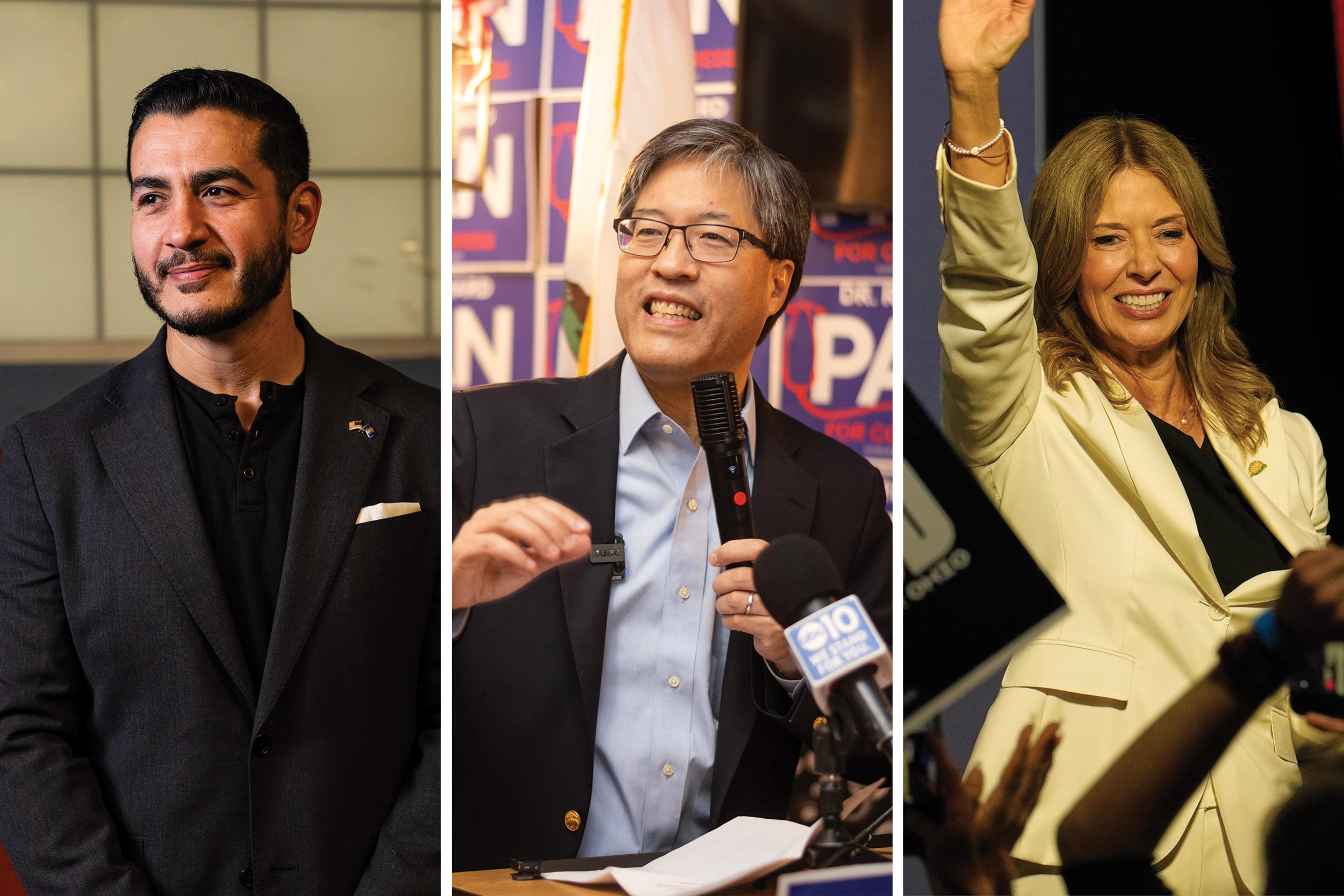
Among the history-making lawmakers are Dr Abdul El-Sayed of Michigan and Dr Annie Andrews of South Carolina. The last time a Democratic doctor held a U.S. Senate seat was 1969, when Medicare and Medicaid became law. Both candidates centered campaigns on local health crises, from measles outbreaks to rural hospital closures.
Voters sent a clear message: they are frustrated by high costs, exhausted by a complicated system, and want leaders who understand those struggles, said Dr Richard Besser, president of the Robert Wood Johnson Foundation.
Reversal of Republican dominance in Congress
From 2011 to 2020, 86% of physician-members of Congress were Republicans, mostly from southern states. The 2026 election upended that pattern. Republican doctors such as Dr Mariannette Miller-Meeks of Iowa and Senate candidate Dr Roger Marshall, both allies of Health Secretary Robert F Kennedy Jr, lost their races. All incumbent Democratic doctors won re-election.
Kennedy's tenure fuels scientific backlash
Trump and Kennedy disrupted nearly every federal scientific agency. The CDC lost up to one-third of staff amid a record measles outbreak; the NIH saw research stalled; the FDA struggled with a historic cyclosporiasis outbreak. On election day, New York reported the state's first child measles death in 30 years. Kennedy became a key rallying figure for 3.14 Action, which called him its top recruitment and fundraising tool.
Healthcare dominates campaign advertising
Healthcare was the second-largest issue in campaign ads, according to the Cook Political Report. Democrats ran more than 158,000 health-related ads versus 61,000 for Republicans. 3.14 Action alone spent $23 million on independent ads targeting health issues, including pharmaceutical and insurance industry influence.
Candidates leveraged direct experience: Andrews gave measles guidance while federal officials downplayed risks; El-Sayed championed Medicare for All to save rural hospitals; Dr Amy Acton in Ohio turned her COVID-19 health director role into an asset; law professor Christina Bohannan in Iowa pledged more research funding as cancer rates rose.
New majority faces immediate policy battles
Polyak said Democrats flipped at least 10 Republican seats, with the final count in the low 30s, and that Democratic doctors and scientists led the charge to flip the House. When sworn in, they confront the One Big Beautiful Bill Act's harshest cuts taking effect January 2027, including Medicaid work requirements projected to strip coverage from 17 million people over a decade. They will also negotiate with powerful insurers and drug companies while crafting proposals from a public option to single-payer healthcare. Advocacy groups are already demanding Kennedy's removal, arguing the election marks the beginning of the end of his leadership.


