By Islam El-Sakka
Israelis faced uncertainty after Tuesday's election as vote counting continued with no clear victor. With about 50% of ballots counted, Prime Minister Benjamin Netanyahu's right-wing bloc was projected to win 55 seats in the 120-seat Knesset, while the opposition bloc led by former military chief Gadi Eisenkot was projected at 49 seats. Arab parties were projected to win 16 seats. A majority of 61 seats is needed to form a government.
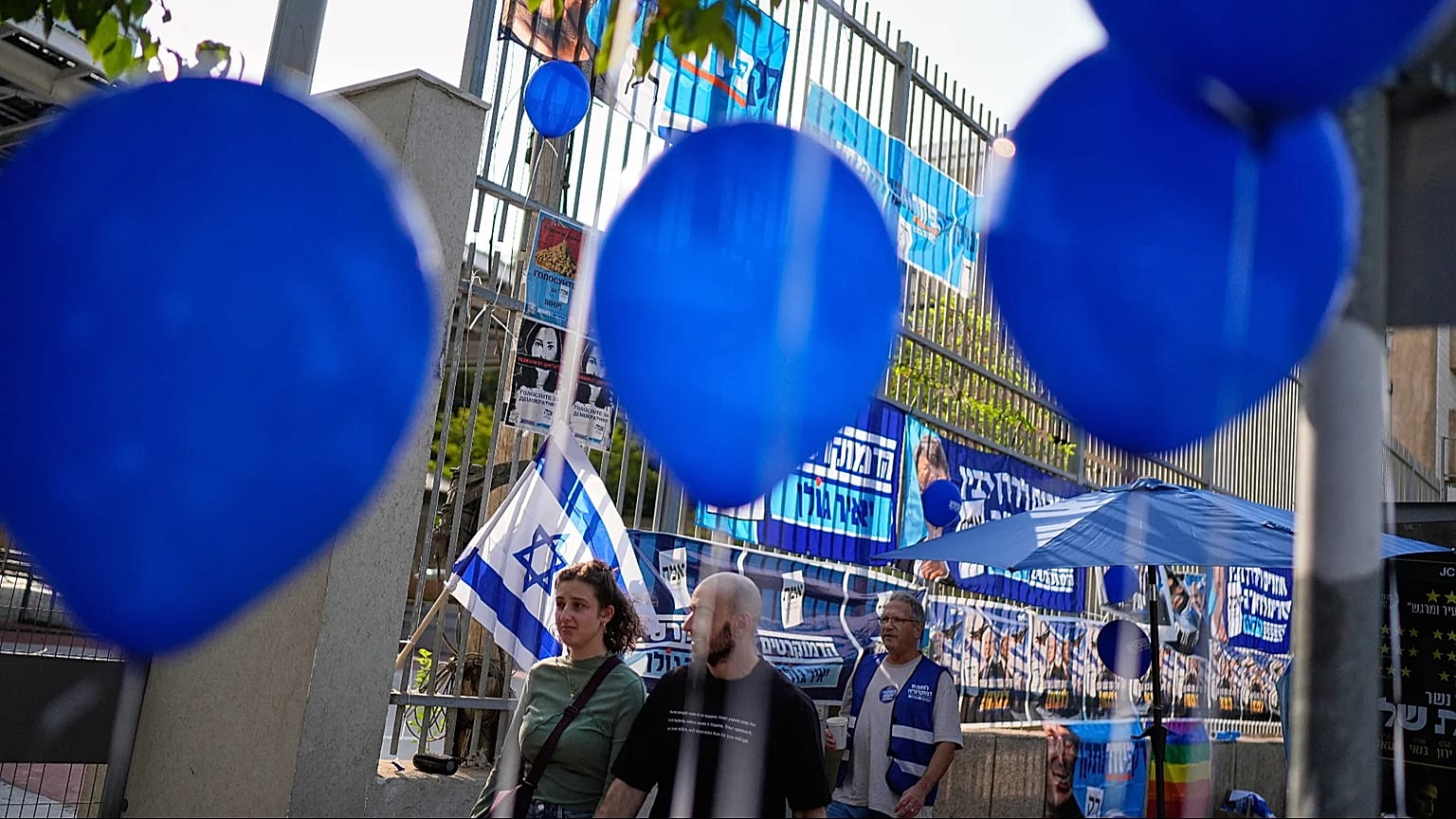
Exit polls from Israel's major television networks showed the two main blocs tied at 51 seats each, though earlier polls had given Eisenkot a slight edge. Israeli exit polls are often revised and can swing by several seats. Voter turnout surged to over 77%, the highest in more than two decades, up about seven percentage points from the 2022 election.
The Arab parties, running as the Joint List and Ra'am, could dramatically increase their representation to as many as 18 seats from 10. Analysts said if Eisenkot falls short of a majority, he would need to negotiate with Arab parties to form a government, a process that could take weeks.
Netanyahu addressed supporters in Jerusalem early Wednesday, declaring that official results would show Likud as the largest party and calling for a "strong, right-wing national government" that does not rely on Arab parties. Eisenkot told supporters in Tel Aviv that the public had voted against Netanyahu's continued premiership and urged him to retire. He also warned Netanyahu against using security issues for political gain.
The Central Elections Committee rejected a last-minute request by Netanyahu and other parties to extend polling hours past the 10 p.m. deadline. Netanyahu alleged that the "left and Arabs" were trying to steal the election, a claim the committee dismissed, saying it saw no evidence of systematic tampering.