By Islam El-Sakka
Andy Burnham's pledge to seek a structured dialogue with former colonies marks the UK's first step toward a formal state apology for slavery, following a path the Netherlands began five years ago. The Dutch experience shows that apologizing did not draw a line under the past, prompting political backlash and disillusion among descendants.
Dutch apology sparks mixed reactions
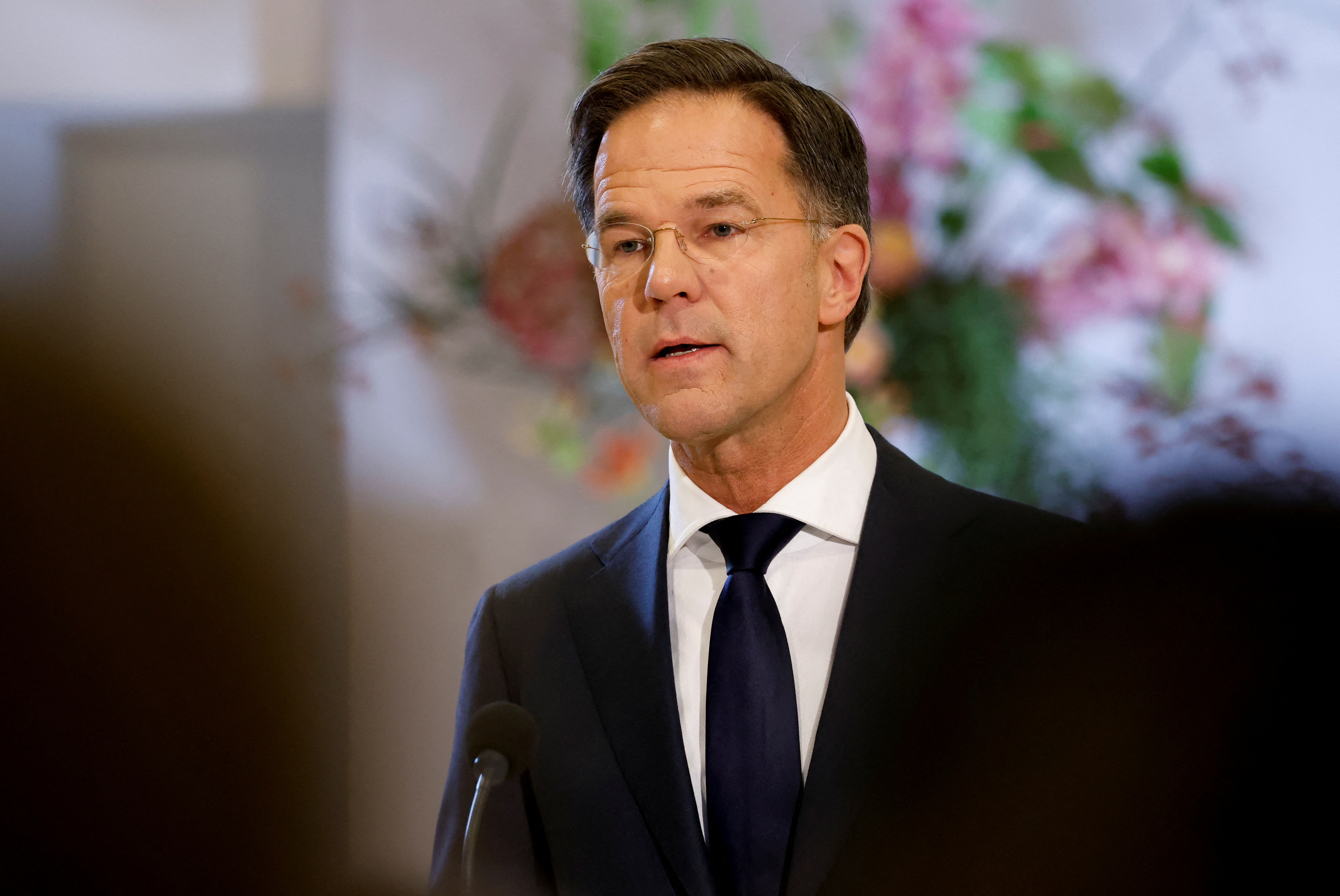
In December 2022, then-Prime Minister Mark Rutte apologized on behalf of the Dutch government, recognizing slavery as a crime against humanity and admitting the state enabled, encouraged, and profited from it for over 250 years. King Willem-Alexander followed with his own apology in July 2023.
Activists criticize lack of consultation
The apologies were welcomed as sincere by some, including Linda Nooitmeer, then chair of the National Institute for the Study of Dutch Slavery and its Legacy (NiNsee), who said they restored humanity to ancestors. However, she warned that real change regarding rights of people of African descent remains elusive. Activists criticized Rutte's apology as hasty, paternalistic, and made without real consultation. Roy Kaikusi Groenberg of the Honour and Recovery Foundation called it a "neocolonial belch." Caribbean intellectuals noted the irony of European politicians dictating reconciliation terms.
Political backlash and far-right rise
The Dutch government ruled out direct financial reparations but established a €200 million fund for education, research, heritage preservation, and community grants. Nooitmeer argued that without community ownership of the process, old mechanisms of inequality persist. Public opinion remained sharply divided. Polling showed only 31% supported a national apology in 2021, rising to 40% after the apology, with 46% opposed. The issue fueled far-right leader Geert Wilders, whose Freedom Party won the 2023 elections.
Britain's tentative steps
A National Slavery Museum, backed by €80 million from Amsterdam and the national government, is due to open in 2030. For Britain, the Dutch experience suggests state apologies may open a new, contested phase of reckoning rather than provide a neat settlement.