By Fatma Younis
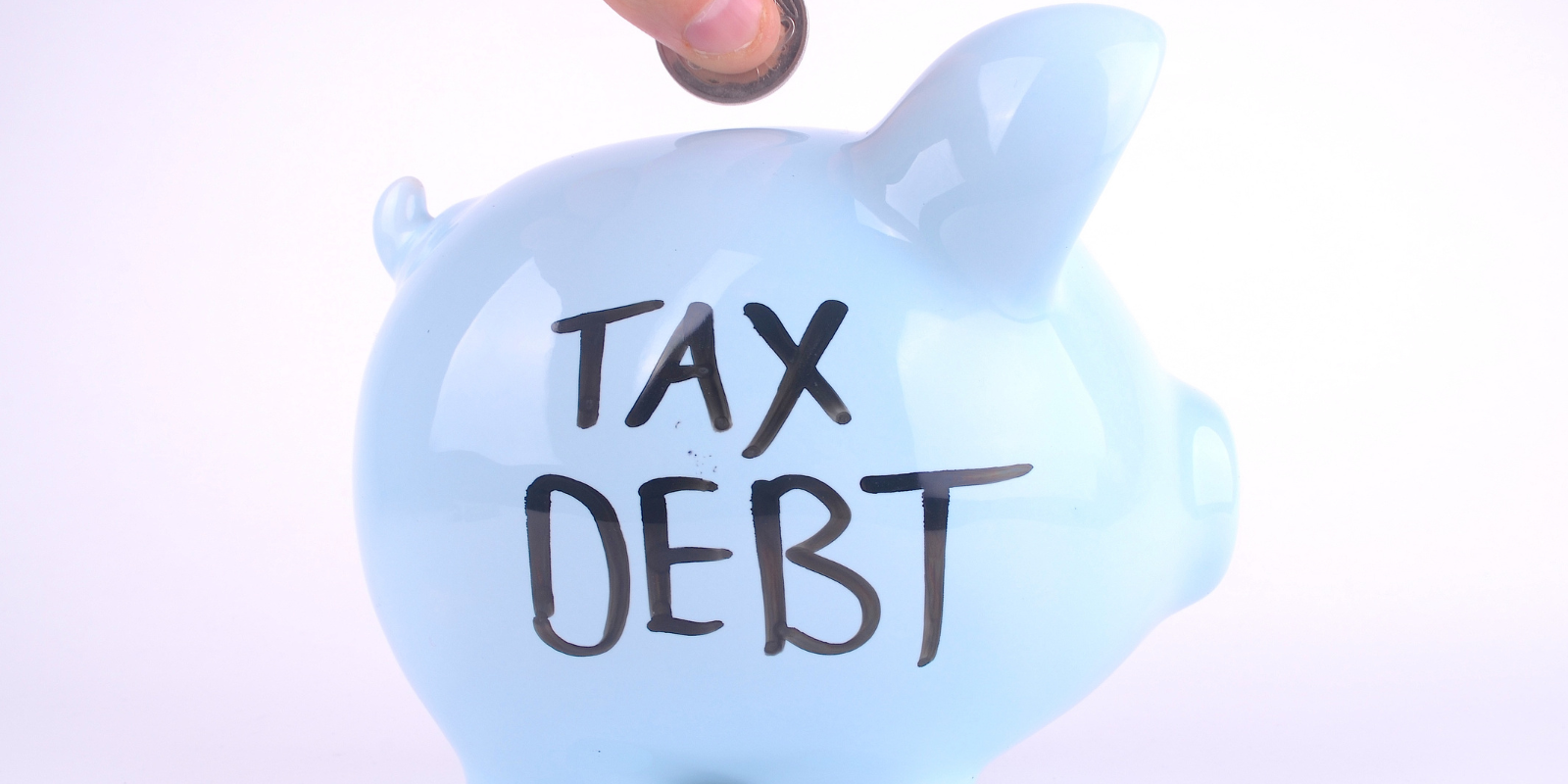
The UK government has granted HM Revenue and Customs (HMRC) new powers to recover unpaid taxes directly from bank accounts, Chancellor John Healey announced in last week's Budget.
How the Direct Recovery of Debts Works
HMRC can now use Direct Recovery of Debts (DRD) for debts over £1,000, but only after all other recovery routes have been exhausted. The tax authority can instruct banks and building societies to pay funds directly from a debtor's current or savings accounts, including Cash ISAs. However, at least £5,000 must be left across all the debtor's accounts to cover essential expenses.
Safeguards and Objection Period
Before any action, HMRC must conduct a face-to-face visit to confirm the debtor's identity and discuss payment options and vulnerabilities. A 30-day window allows customers to object, appeal, correct errors, or set up a payment plan before funds are taken.
Targeting Persistent Debtors
The Treasury says the powers aim at individuals and companies who can afford to pay but repeatedly ignore HMRC contact. For individuals, the maximum debt pursued is £5,000; for companies, £10,000. HMRC data shows about 90% of taxpayers pay on time, with £858.9 billion collected in 2024-25, though 10% became debt. The powers were used only 19 times in two years before being paused during the Covid-19 pandemic.