By Islam El-Sakka
Polling conducted by the Harris Poll for the Guardian before the midterm elections reveals that rural voters, long a core constituency for Donald Trump, increasingly felt abandoned by the economy, contributing to Republican losses.
Economic Pain Drives Discontent
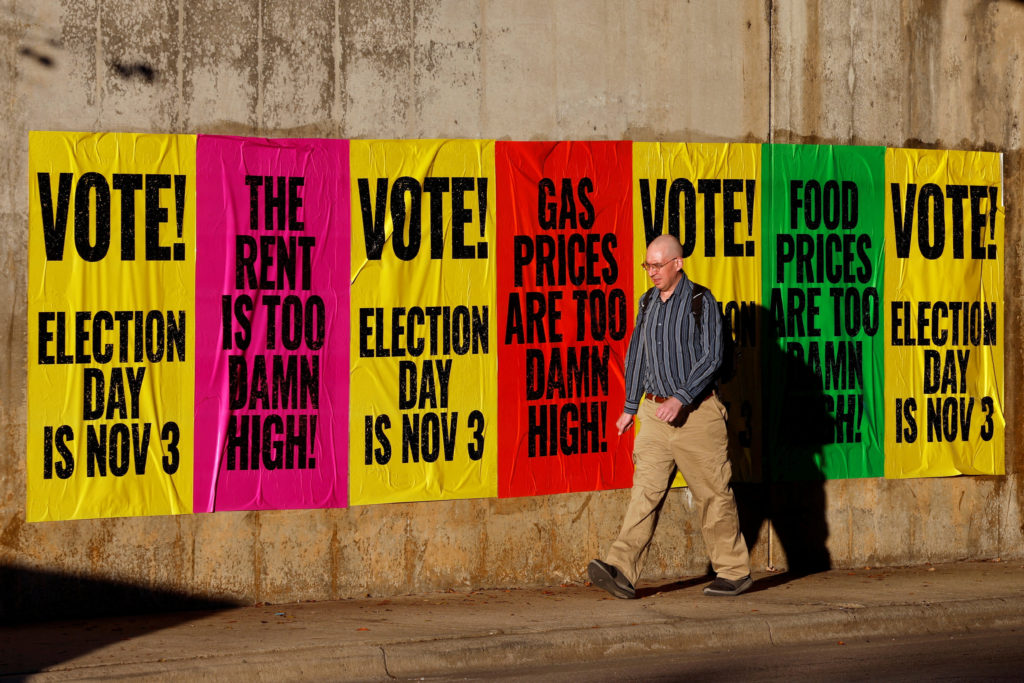
Over the summer, 95% of Americans believed there was an affordability crisis, driven by steep gas and grocery prices. By October, 61% of voters thought the country was in a recession, despite official data to the contrary.
Rural Communities Hit Hardest
Rural voters reported acute financial strain. Loggers in Maine cited tariffs on Canada hurting their industry; Texas drivers faced $400 monthly gas costs for long commutes; Midwest farmers struggled with high diesel prices amid drought.
Republican Optimism Collapses
The discontent spread beyond Democrats and independents. Republican optimism about the economy dropped from 49% in February to 28% by October, a decline accelerated after the Iran war began.
Survival Mode and Corruption Concerns
Rural Americans were more likely to say gas prices hurt their finances, that they were in economic "survival mode," and that one unexpected bill could sink them. They also slightly more often blamed Republicans for corruption.
Rural Economic Outlook Worsens Sharply
In the month before the midterms, the share of rural voters saying the economy was worsening rose 17% since Trump took office, compared with 5% in suburbs and 3% in urban areas.
Trump's Rhetoric Contrasts With Voter Reality
Despite the data, Trump claimed at a rally that gas prices were falling, wages rising, and trade stronger than ever. Voters responded by handing Democrats control of Congress, with Republicans losing toss-up races from Maine to Texas.
Democrats Take Congress, Vance Cites Iran War
Democrats pledged to address immigration enforcement, White House corruption, healthcare costs, and high prices. JD Vance acknowledged the Iran war cost Republicans the election.
Voters Doubt Both Parties on Affordability
Pre-election polling showed voters unsure which party could solve affordability: 34% said neither party had a solution, while Democrats (27%) slightly edged Republicans (24%).