By Islam El-Sakka
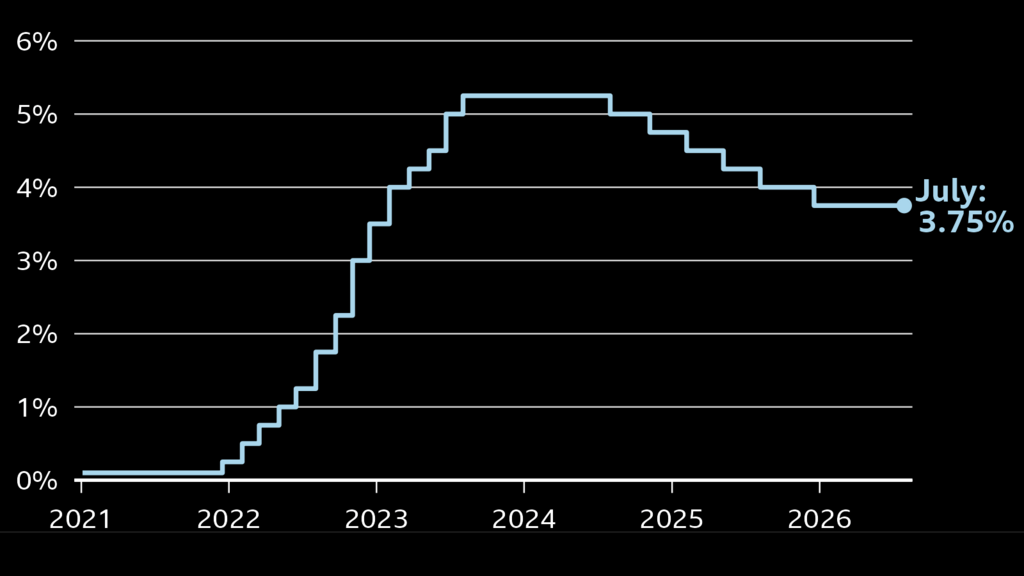
The Bank of England is widely expected to raise interest rates for the first time in more than three years on Thursday, with financial markets pricing in an increase to 4% from 3.75% as policymakers confront stubborn inflation driven by energy costs.
Rate Hike Seen as 'Done Deal'
Economists describe the November rate hike as a “done deal” for the Monetary Policy Committee, which is responding to higher oil and gas prices following the Middle East conflict. Alexander Harvey, UK economist at Oxford Economics, said the scale and duration of the energy price shock will continue to dominate the outlook for Bank rate.
Energy Prices Fuel Inflation Concerns
The conflict in the Middle East has pushed consumer price inflation further from the Bank’s 2% target, with a surge in petrol and diesel prices a major driver. Ofgem’s energy price cap rose 3.6% on October 1 and is forecast to jump a further 22% in January, adding to inflationary pressures this winter.
Pound Reaches Post-Brexit High
Sterling hit a post-Brexit high ahead of the decision, reflecting market expectations of tighter monetary policy. Analysts at Investec warned that prolonged elevated energy prices risk embedding higher inflation, and that producers may pass on costs to consumers.