By Karim Hammam
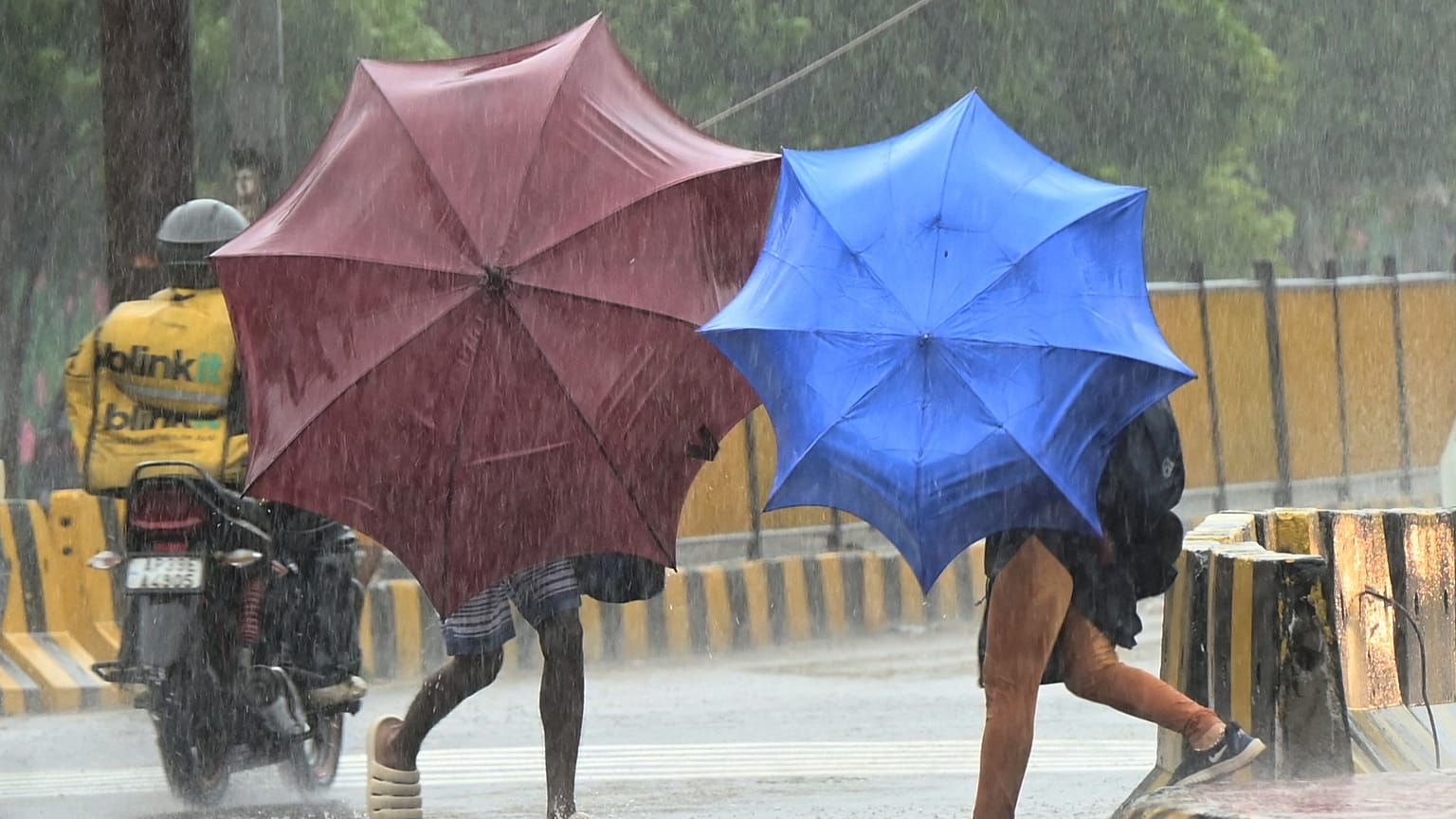
Cyclone Arnab made landfall on India's eastern coast early Wednesday, bringing destructive winds of up to 140 kmph and heavy rainfall to Andhra Pradesh. Authorities evacuated more than 180,000 people across Andhra Pradesh and neighbouring Odisha as the very severe cyclonic storm crossed the coast earlier than forecast.
Evacuations and Shelters
More than 12 million people live along the cyclone's projected path, according to Andhra Pradesh's disaster management authority. Officials established over 2,000 cyclone shelters across 20 districts, secured more than 30,000 fishing boats, and deployed nearly 1,100 medical teams. The state government also positioned 12 National Disaster Response Force teams and 10 State Disaster Response Force teams across 14 districts, with over 8,000 emergency beds and 1,200 ambulances on standby.
Impact and Disruptions
The storm uprooted trees, disrupted electricity supplies, and caused waterlogging in parts of Vijayawada and Visakhapatnam. Police restricted access to RK Beach in Visakhapatnam amid high tides. Air and rail services were heavily affected: India's civil aviation ministry suspended operations at three Andhra Pradesh airports, while major airlines cancelled flights. Railway authorities cancelled trains and suspended services on dozens of routes along the southern coast.
Warnings and Preparedness
The India Meteorological Department said the cyclone remained "practically stationary" near the coast, with landfall expected to continue for about two hours. It warned of a storm surge that could inundate low-lying areas and issued flash flood alerts for several districts, including Konaseema, Kakinada, Visakhapatnam, and Srikakulam. Chief Minister N Chandrababu Naidu reviewed preparations and ordered departments to prioritise relief operations and restoration of essential services.
Regional Effects
The cyclone's impact extends beyond India. Nepalese authorities warned tourists against travelling to high-altitude areas from Thursday night through Saturday, citing risks of torrential rain, snowstorms, and avalanches. The Bay of Bengal remains a major source of tropical cyclones affecting India's eastern coast; a super cyclone in October 1999 devastated Odisha, killing nearly 10,000 people.