By Fatma Younis
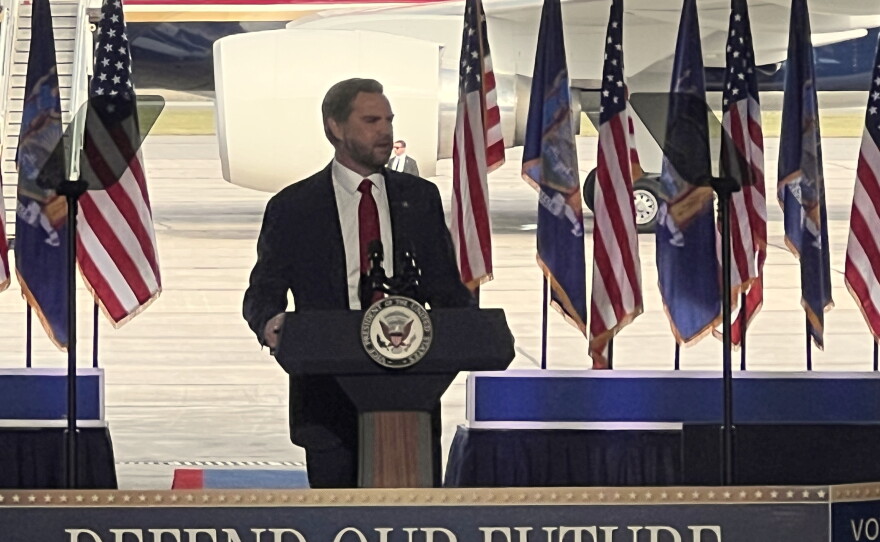
Vice President JD Vance sent shockwaves through Washington on Wednesday by attributing the Republican Party's midterm election defeat directly to the war in Iran, a move widely seen as an effort to distance himself from President Donald Trump ahead of a potential 2028 presidential run.
Vance's Public Break with Trump
In a 600-word statement on X, Vance acknowledged that Trump's 2024 voters had deserted Republicans in the midterms. "The reason we lost is the war," he wrote, adding that the president himself had said so the night before. While Vance has publicly backed the conflict since the U.S. and Israel attacked Tehran in February, he has reportedly opposed it in private meetings with administration officials. Those disagreements had remained private until now.
Trump's Response
Hours after the election defeat, Trump agreed with Vance that the midterms were "largely" decided by the war but insisted he would "do it again" given the same choices. When asked about Vance's post, Trump said he knew how Vance felt and defended the decision to prevent Iran from obtaining a nuclear weapon. The president's relatively muted reaction suggests he may give Vance latitude if he launches a presidential campaign.
Potential 2028 Campaign Roadmap
Beyond criticizing the war, Vance outlined a four-point strategy to win back voters: end the war, focus on cost of living and inflation, put America first, and change the U.S. relationship with Israel. The plan encapsulates Vance's worldview and reads like a core argument for a future stump speech. He did not mention Trump by name and attributed much of his analysis to unnamed pollsters.
Uncertainty Ahead
Vance is expected to run in 2028 but has not made an official decision. He reportedly showed the statement to Trump before posting, according to The New York Times. Trump has praised both Vance and Secretary of State Marco Rubio but has not indicated when or if he will endorse a successor. The vice president's missive may prove insignificant or could mark the starting gun for the 2028 race and the battle for the post-Trump Republican Party.