By Sohaib Shams
Effectively removing makeup depends on matching the remover to the specific formula you are wearing, dermatologists and skin-care experts say. Using the wrong product can leave residue, require harsh rubbing, and irritate the skin barrier over time.
Matching Remover to Makeup Type
Waterproof mascara and eyeliner are hydrophobic and require oil-based or bi-phase removers to break down water-repelling agents. Long-wear or matte lipstick responds best to cleansing oils or balms. Full-coverage foundation and concealer, which often contain silicones, should be dissolved first with a cleansing oil or balm followed by a gentle water-based cleanser. Tinted moisturizers and skin tints usually come off with a gentle cleanser, though sunscreen underneath may need a preliminary pass with micellar water or cleansing oil. Powder makeup typically requires only a gentle cleanser.
Top Recommended Makeup Removers
Experts highlighted several standout products. Clinique Take The Day Off Cleansing Balm is praised for melting waterproof formulas with minimal rubbing. Farmacy Green Clean Cleansing Balm works well for sensitive skin and tough mascara. Bioderma Sensibio H2O Micellar Water is a fragrance-free, oil-free option for sensitive skin and lighter makeup. DHC Deep Cleansing Oil emulsifies quickly to remove heavy waterproof makeup without clogging pores. Drunk Elephant Slaai Makeup-Melting Butter Cleanser breaks down heavy foundation while moisturizing. For matte lipstick, Dieux Ethereal Makeup Removing Concentrated Cleansing Oil is lightweight and fragrance-free. Sofie Pavitt Face Micellar Makeup Removing Cleansing Pads are convenient for powder makeup and travel.
Types of Makeup Removers Explained
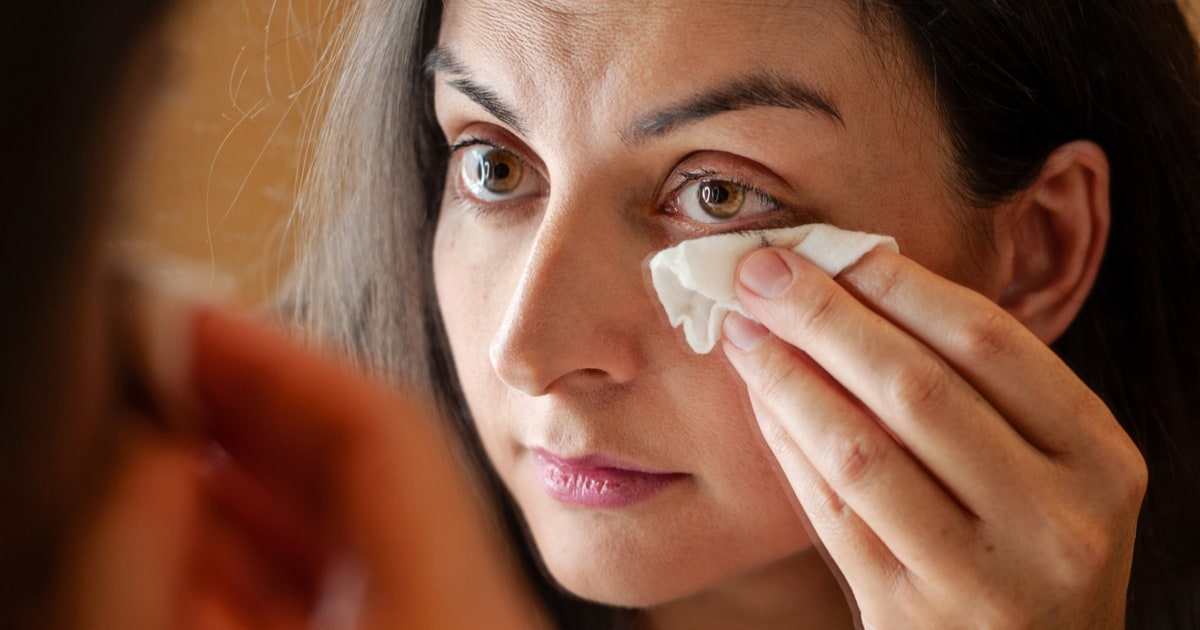
Cleansing oils dissolve oil-based and waterproof makeup and emulsify with water to rinse clean. Cleansing balms perform similarly but have a solid texture that melts on contact, offering more control. Micellar water uses tiny cleansing molecules to lift makeup without rinsing, making it suitable for light makeup but often insufficient for heavy or long-wear formulas. Makeup remover wipes are a backup option only; they rarely remove all residue and can cause irritation from friction.
Choosing by Skin Type
Dry skin benefits from cleansing balms or oils that preserve moisture. Oily or acne-prone skin should use lightweight, noncomedogenic removers that rinse cleanly, followed by a gentle water-based cleanser. Sensitive skin should avoid fragrance and alcohol; fragrance-free micellar water is often best. Those with rosacea or eczema may prefer lightweight skin tints and gentle cleansers to avoid irritation from heavier makeup and oil-based removers.
Common Mistakes and FAQs
Experts warn against rubbing too hard, which stresses delicate eye skin, and over-cleansing until skin feels tight. Double cleansing — starting with an oil-based remover followed by a water-based cleanser — ensures thorough removal. Let remover sit on stubborn eye or lip makeup for 20 to 30 seconds before wiping. To verify complete removal, swipe a clean damp cotton pad across the face; any remaining color indicates residue. Avoid harsh fragrances, alcohols, acids, and abrasive scrubs in removers.