By Basant El-Faramawy
Repeat offenders of antisocial behavior may soon face restrictions from entering town centers under new, tougher police powers. The Home Office announced that the introduction of Respect Orders aims to fill existing gaps in enforcement capabilities, allowing for stronger action against those who disrupt community peace.
Expanded Enforcement Powers
Under the new regulations, the authority to apply for a Respect Order extends beyond the police and local councils. Housing associations and transport networks will also be empowered to request these orders. The measures target behaviors classified under the Anti-social Behaviour, Crime and Policing Act 2014, which defines such conduct as actions likely to cause harassment, alarm, or distress to others.
Potential Penalties and Restrictions
Frequent offenders could face various restrictions, including curfew bans or orders to stop drinking in public spaces such as high streets and local parks. The Metropolitan Police identify several types of antisocial behavior, ranging from disruptive unlicensed drinking to littering and general nuisance behavior. Starting Monday, breaching a Respect Order will be classified as a criminal offense, carrying a potential penalty of up to two years in prison.
Impact on Communities
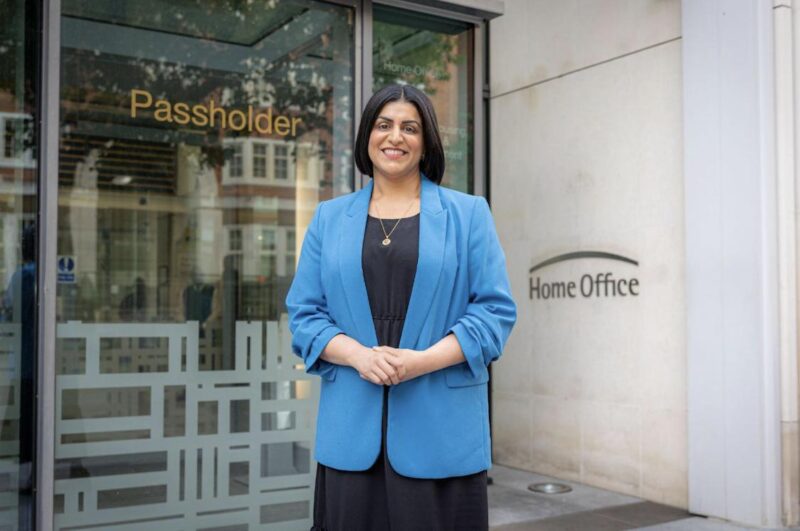
Home Secretary Shabana Mahmood stated that unchecked antisocial behavior blights communities and that authorities have long lacked the necessary tools to address the problem effectively. The new orders apply specifically to adults, while individuals under the age of 18 remain subject to existing Youth Injunctions. The National Police Chiefs’ Council welcomed the legislation, noting that these tools will enable swift enforcement against prolific offenders while aiming to prioritize rehabilitation to break cycles of criminal behavior.