By Sohaib Shams
Hours before Indiana was set to carry out its first execution of 2026, attorneys for death-row inmate Jeffrey Weisheit urged Gov. Mike Braun to halt the lethal injection and order an independent review of the state's drug procurement process. The challenge centers on allegations that Indiana obtained its execution chemicals from a pharmacy currently on probation and facing possible license suspension.
Allegations Against Pharmacy Pharmaneek
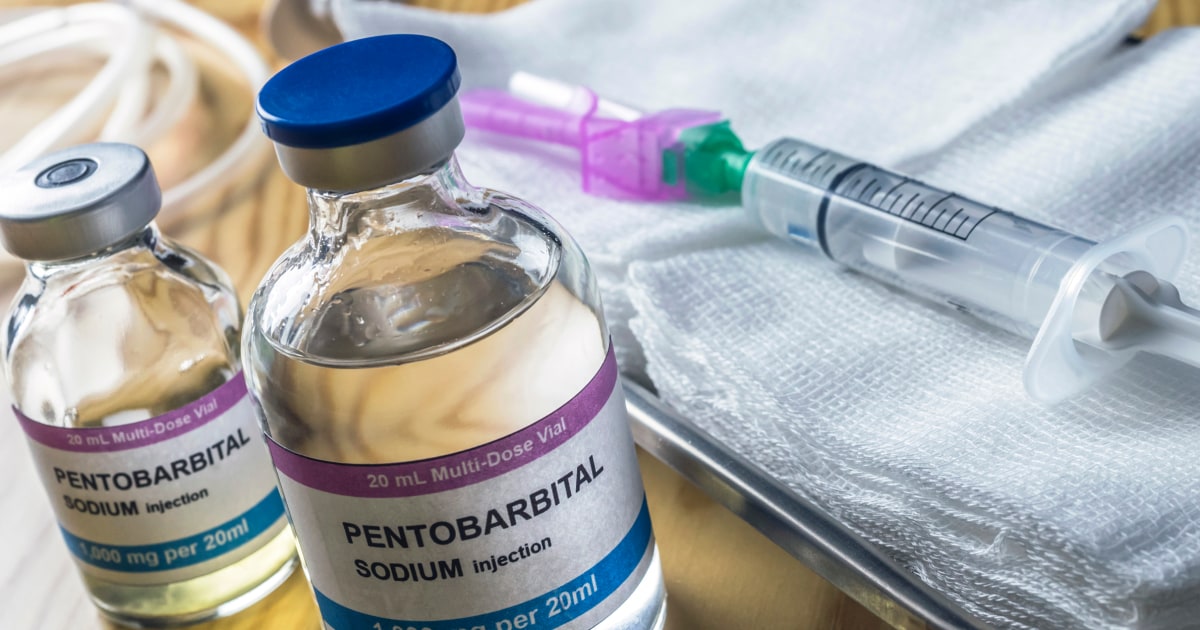
Lawyers for Weisheit say a Department of Correction invoice links the state's supply of pentobarbital to Pharmaneek, an Indianapolis-based pharmacy. State and federal inspections found that Pharmaneek stored drugs in unlabeled bottles, kept expired medications on active shelves, and failed to maintain consistent temperature logs. An FDA report from March 2026 described the facility as unsanitary, creating conditions where drugs could be contaminated.
Execution Drug Details and Cost
An updated inventory log shows the Department of Correction added six vials of pentobarbital on Oct. 29 at a cost of $275,000 — far above the typical $15,000 to $16,000 price for commercially manufactured injectable pentobarbital. The invoice is heavily redacted, but a September 2025 invoice for the same amount accidentally revealed Pharmaneek as the possible supplier.
Pharmacy's Regulatory Troubles
Pharmaneek is scheduled to appear before the Indiana Board of Pharmacy on Monday — four days after Weisheit's scheduled execution — over allegations it violated its probation. The pharmacy's license and controlled substance registration are on probation, and it is currently barred from compounding custom drugs. Weisheit's attorneys allege Pharmaneek is acting as a middleman, supplying manufactured pentobarbital that the state cannot purchase directly from major pharmaceutical companies, which prohibit use of their products in executions.
State's Response and Legal Context
The Indiana Attorney General's office expressed confidence in the ability to carry out the execution lawfully and noted that state law shields the identities of execution drug suppliers. Both Sagent Pharmaceuticals and Hikma, the two U.S. manufacturers of pentobarbital, said they have no purchase agreement with Pharmaneek and maintain strict controls to prevent their drugs from being used in capital punishment.
Weisheit's Case and Clemency Plea
Weisheit, 50, was convicted of murdering 8-year-old Alyssa Lynch and her 5-year-old brother Caleb in a 2010 house fire while he was caring for them. He did not contest his guilt but sought clemency to have his sentence commuted to life without parole. The state parole board recommended denial, and Gov. Braun agreed on Monday not to grant clemency. The children's mother supports the execution; their father has asked for mercy.
Other Executions Scheduled
Weisheit's execution is one of three set for Thursday, with lethal injections also planned in Alabama and Florida.