By Basant El-Faramawy
A study published in the Lancet Planetary Health journal suggests that replacing dairy products with plant-based alternatives such as oat or almond milk could lead to deficiencies in key nutrients, particularly iodine, calcium, vitamin B2 and vitamin B12.
Study scope and methods
Researchers from the University of Surrey and Queen’s University Belfast analysed 146 plant-based milks, 76 yoghurts and 67 cheese products. They used data from more than 3,500 participants in the National Diet and Nutrition Survey and modelled the impact of partial and full replacement of dairy with plant-based options.
Nutrient gaps identified
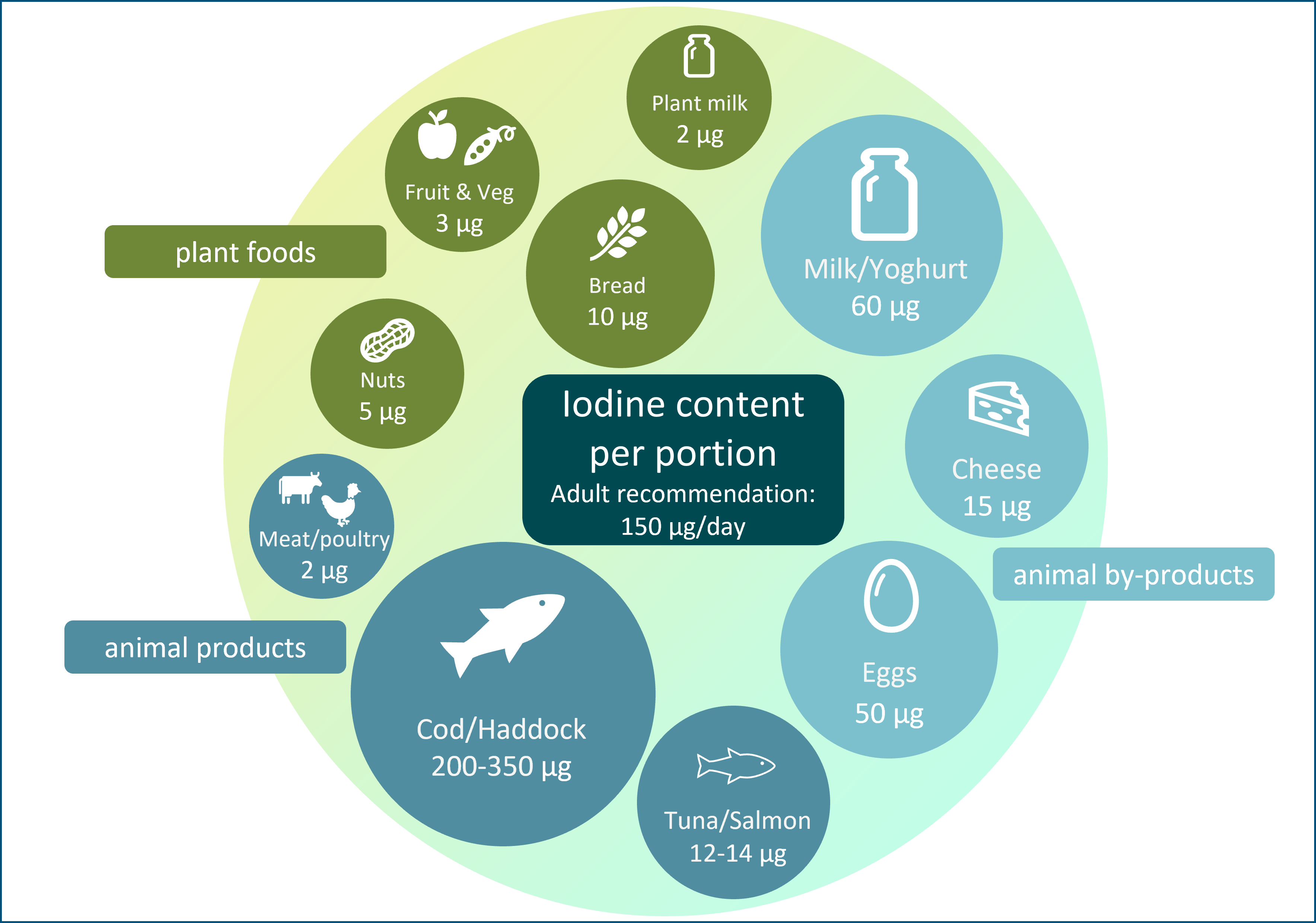
The study found that even modest substitutions reduced intake of all four micronutrients. Iodine showed the sharpest decline: replacing 20–35% of dairy increased inadequate iodine intake among girls aged 14–18 from 54% to 65%, and among women aged 19–49 from 32% to 42%. A full swap pushed iodine inadequacy to 80% in teenage girls and 72% in teenage boys.
Calcium inadequacy rose from 30% to 47% in boys aged 14–18 and from 54% to 70% in girls the same age when all dairy was replaced. For riboflavin (vitamin B2), inadequate intake in men aged 19–49 climbed from 14% to 26%, and in women from 29% to 50%. Vitamin B12 shortfalls also increased.
Fortification levels vary
Only 12% of the plant-based products studied contained added iodine, 61% had added calcium, 46% had vitamin B12 and 19% had riboflavin. The researchers noted that even fortified products did not fully close the nutrient gaps.
Expert warnings
Lead author Dr Sarah Bath, associate professor at the University of Surrey, highlighted the UK’s vulnerability to iodine insufficiency due to the absence of a universal salt iodisation policy. She stressed that iodine is critical for thyroid function, metabolism, growth and brain development, especially during pregnancy.
Co-author Dr Katie Nicol said nutrition policy must evolve alongside environmental targets to avoid compromising public health, advocating for mandatory fortification rules. Professor Mairead Kiely of the Cork Centre for Vitamin D and Nutrition Research warned that adolescents and women of reproductive age already have low intakes of calcium, iodine and riboflavin, making further reductions risky.
Policy modelling
Modelling suggested that mandatory fortification of plant-based foods would improve nutrient intake, though iodine inadequacy would remain in 59% of teenage girls. Fortifying bread with iodine was shown to reduce deficiency further.
Differing views
Professor Tom Sanders of King’s College London cautioned that iodine deficiency cannot be reliably predicted from dietary records alone, noting that milk’s iodine content comes from supplemented cattle feed and that seafood is the best natural source. Emily Angus, senior dietitian at The Vegan Society, argued that most UK plant-based milks are fortified with calcium and vitamin D, and that fortified alternatives are considered safe from age one under 2025 SACN guidance.