
By Ahmed Abdelsalam
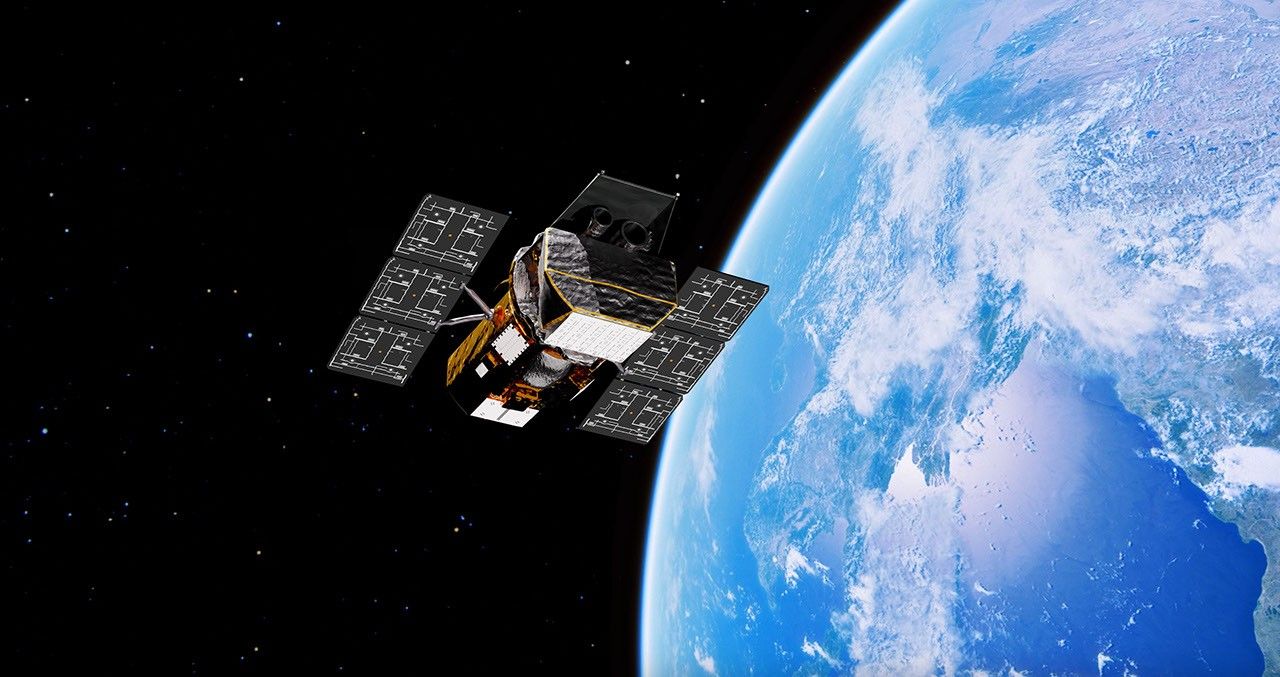
NASA's Swift Observatory plunged to Earth on Wednesday, ending a 22-year mission studying gamma-ray bursts and the universe's most powerful explosions.
Reentry confirmed near Indonesia
The U.S. Space Force confirmed the spacecraft's reentry near Indonesia after tracking its decaying orbit, a result of intense solar activity in recent years. It was not immediately known how much of the 1.5-ton spacecraft burned up, though NASA anticipated some denser pieces could survive.
Mission far exceeded expectations
Launched in 2004 for a planned two-year study, Swift observed thousands of gamma-ray bursts and exploding stars, operating 11 times longer than designed. It served as a first responder, alerting other telescopes to probe deeper into cosmic events.
Rescue attempt failed
A last-ditch effort to boost Swift's orbit failed in September when a robotic craft from private company Katalyst Space crashed after its July launch. The rescue mission had been assembled quickly as Swift's orbit deteriorated.
Hubble rescue under consideration
NASA is now gauging industry interest in a mission to save the Hubble Space Telescope, whose orbit is also being eroded by solar storms. Hubble, launched in 1990, could reenter by the mid-2030s. Any rescue would need to launch by 2032. NASA Administrator Jared Isaacman said Hubble still has important science ahead, and the agency should explore every reasonable opportunity to extend its life.


