
By Islam El-Sakka
Democrats seized control of both chambers of Congress in the 2026 U.S. midterm elections, delivering a crushing blow to President Donald Trump and leaving his second term in tatters. Victories across the House of Representatives and Senate demonstrated an overwhelming rejection of Trump's policies, with exit polls showing half of voters nationwide viewed the midterms as an opportunity to rebuke the president and three-quarters expressing anger or dissatisfaction with the country's direction.
Historic Democratic Wave
The Democratic wave eroded longstanding Republican strongholds. In Texas, James Talarico became the first Democrat to win a Senate seat since 1988. In Kansas, megachurch pastor Adam Hamilton won the first Democratic Senate seat since the Great Depression. In Ohio, Democrat Sherrod Brown reclaimed a seat held by JD Vance just two years earlier. The party campaigned on corruption, affordability, and opposition to the unpopular war with Iran.
Key Election Firsts
The midterms produced historic milestones. In Georgia, Keisha Lance Bottoms became the first Black woman elected governor of any U.S. state. In Florida, Byron Donalds became the first Black Republican governor. Gina Hinojosa will be Texas's first Latina governor, while Xavier Becerra becomes California's first Latino governor. In Michigan, Abdul El-Sayed won election as the first Muslim U.S. senator.
Trump's Reaction and Veto Threat
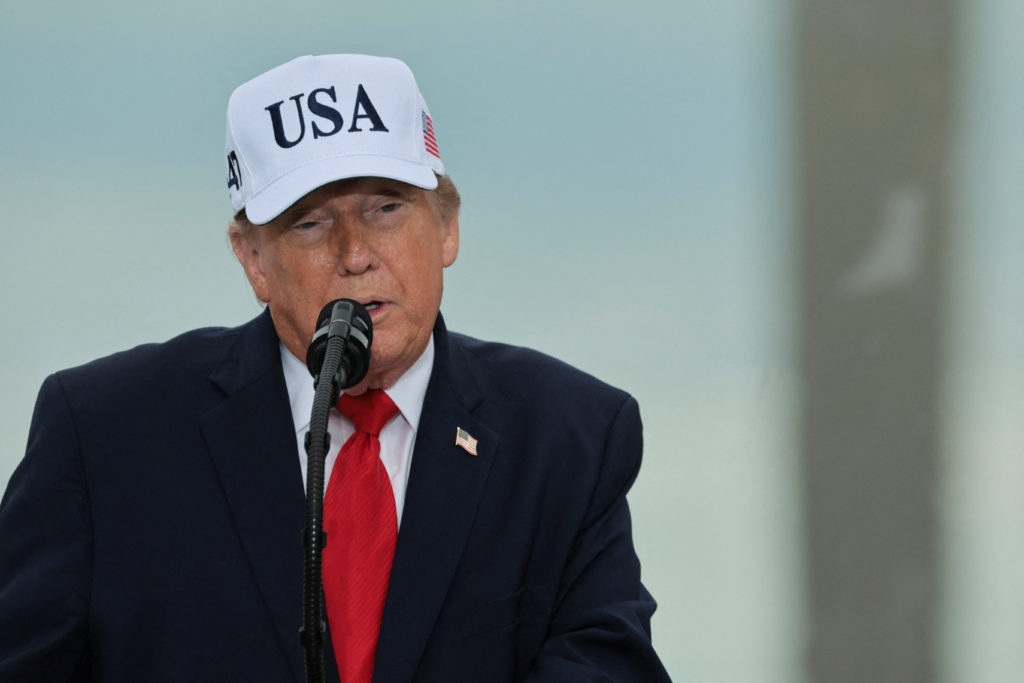
Trump spent election night seething in the White House residence, reportedly sitting in darkness watching Fox News and barely speaking, according to a source close to the president. He initially blamed Republican candidates for the rout on Truth Social, claiming he would have won in a landslide if on the ballot. Hours later, he conceded Democrats "did a good job" but insisted his first two years were "the greatest in the history of the presidency." Trump signaled his strategy for the remainder of his term by posting an image of a red cap bearing the word "Veto," indicating plans to block Democratic legislation until compromises are reached.
Blame Assigned to Iran War
Vice President JD Vance squarely placed responsibility for the defeat on the war with Iran, calling for an "honest conversation" about the conflict. Pressure mounted on Secretary of State for War Pete Hegseth, who was expected to face consequences for the overwhelming loss. Spiraling cost of living and failed tariff policies were also cited as critical factors in the Republican collapse.
Expert Analysis
Dr. Rebecca Stone, associate professor of U.S. History at the University of Warwick, said Trump's knee-jerk veto reaction reveals his governing approach for the next two years. She noted there is no limit to presidential vetoes, though Congress can override them with a two-thirds majority in both chambers — a feat requiring support from elected Republicans.


