By Basant El-Faramawy
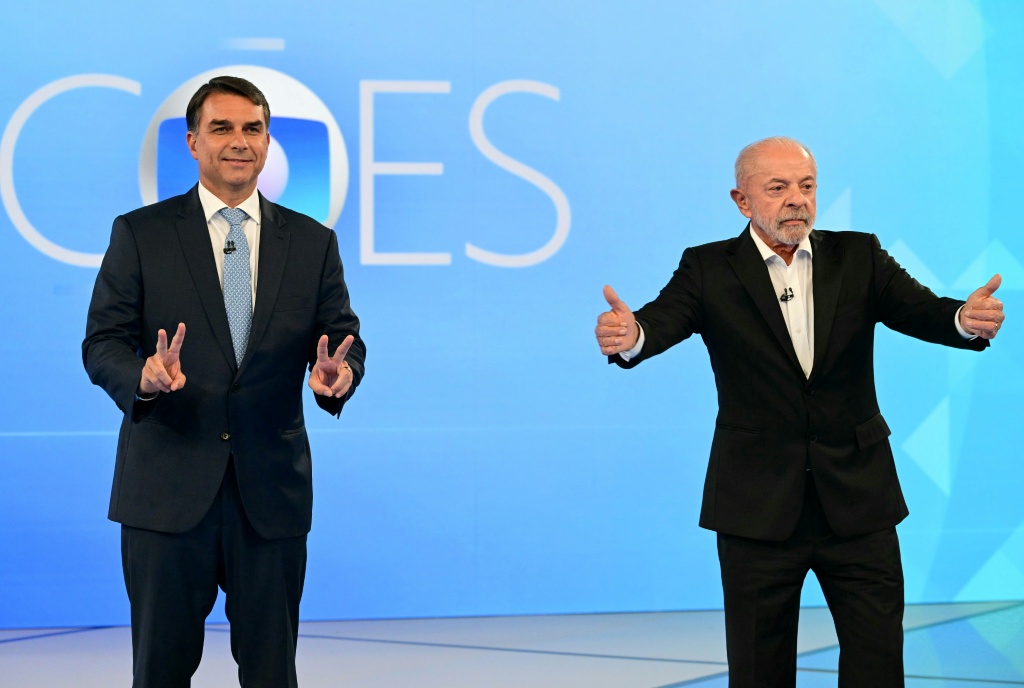
Brazilians headed to the polls on Sunday for a highly unpredictable presidential election runoff, featuring a battle between leftist President Luiz Inácio Lula da Silva and far-right Senator Flávio Bolsonaro. The contest follows a first-round vote where Bolsonaro emerged as the winner, though the margin between the two candidates was the narrowest ever recorded at less than 2%.
A Battle of Divergent Visions
The election presents two starkly different political paths for Brazil. Flávio Bolsonaro, the 45-year-old son of former president Jair Bolsonaro, has campaigned on a platform of radical change and promised to pardon his father, who is currently serving a 27-year sentence. Bolsonaro has also vowed to change the constitution and "re-democratize" the country, a stance that has raised concerns among those fearing a return to authoritarianism.
In contrast, the 80-year-old Lula is attempting an unprecedented comeback. His campaign has focused heavily on increasing voter turnout and highlighting the potential risks of a Bolsonaro family return to power. Lula has expressed gratitude for the organic support from young people and civil society movements that have gained momentum during the runoff campaign.
Polarized Electorate and Campaign Tensions
The electorate remains deeply divided. While some voters support Bolsonaro due to his proposed "iron fist" security policies—including the construction of mega-prisons—others view his candidacy as a threat to democracy and social rights. The tension has already manifested in physical violence; in northern Minas Gerais, a councillor from Lula’s party was hospitalized after her motorcade was attacked by projectiles thrown by Bolsonaro supporters.
Political analysts note that while Bolsonaro initially held a lead, his momentum appeared to stagnate as the runoff progressed, while Lula benefited from renewed support from student-led protests and shifts in digital strategy. The outcome is expected to be decided by a very narrow margin among the 159 million eligible voters.
Geopolitical Implications
The results carry significant weight for regional stability. Analysts suggest that if Lula secures a victory, it could serve as a rare instance of resistance to the rising trend of right-wing movements in Latin America. There are also concerns regarding the legitimacy of the result, with some experts warning that a Bolsonaro victory could lead to a refusal to concede, potentially drawing interest from international allies like Donald Trump.