By Karim Hammam
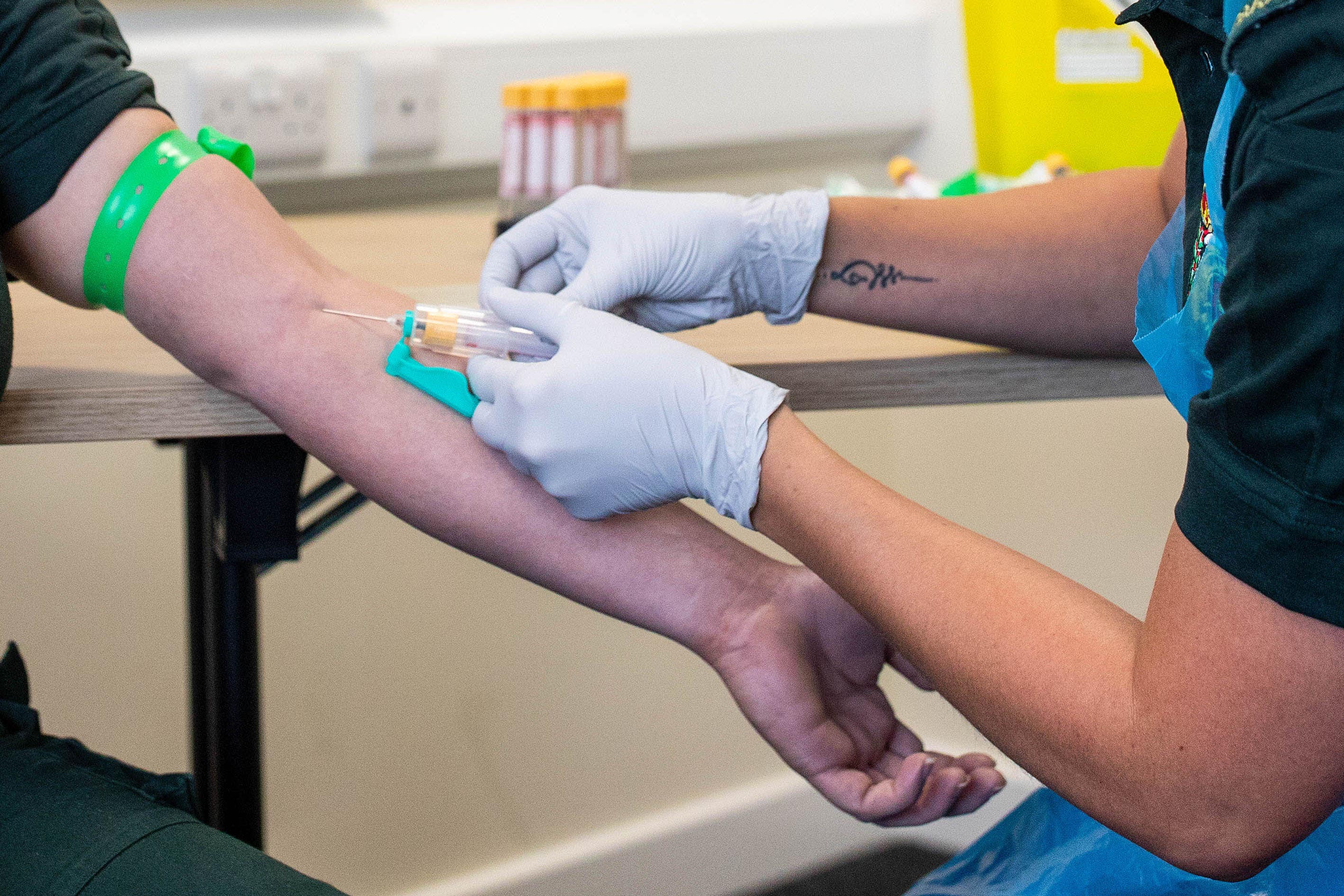
More than 20,000 NHS patients at 200 GP surgeries across England will be offered cutting-edge blood tests designed to detect multiple cancers at their earliest stages. The trial, known as STRIDE-RCT, will evaluate how well the tests perform in real-world clinical settings.
Four Tests Under Evaluation
Four companies are participating in the initial phase. Proteotype's Enlighten test measures patterns of circulating amino acid biomarkers in plasma and uses artificial intelligence to assess the likelihood of breast, bowel, lung, or prostate cancer. Pinpoint AI's PinPoint test combines 32 weak cancer signals in the blood to generate a single risk score, with early work suggesting it can detect signs of bowel, ovarian, lung, pancreatic, liver, bile duct, and stomach cancers. Natera's Signatera test, already used to detect cancer recurrence, analyzes circulating tumor DNA fragments shed by tumors. Mercy BioAnalytics' Halo test examines single extracellular vesicles that circulate at high levels even in early-stage cancer.
Trial Design and Eligibility
Under the trial, patients aged 45 and over who visit their GP with abdominal symptoms such as persistent bloating or discomfort will be given the chance to try one of the tests. Results are returned to doctors using a red, amber, green system: green suggests low risk and rules out cancer, amber indicates average risk and continues standard assessment, and red flags high risk for prioritized investigation. Health Minister James Frith described the trial as a world-first effort to improve earlier diagnosis of abdominal cancers, which are notoriously difficult to spot because their symptoms are often misread. He said it may take 18 to 24 months to determine whether any of the tests are suitable for a national rollout.
Official Reactions
Health Secretary Yvette Cooper said earlier diagnosis increases the chance of successful treatment and saves lives, adding that innovations like these are central to the government's National Cancer Plan. Professor Peter Johnson, NHS national clinical director for cancer, called the trial the start of a revolution in cancer diagnosis and emphasized the need to gather evidence on these new technologies. Michelle Mitchell, chief executive of Cancer Research UK, welcomed the trial as an important step toward giving GPs better tools to identify patients who need further testing.