By Salma El-Sakka
Campaigners are calling on the UK government to protect wild animals by lowering the maximum noise level of fireworks sold to the public from 120 to 90 decibels. The Center for Wild Animal Welfare (CWAW) says a 90-decibel limit – about one-eighth the loudness of 120 decibels – would shrink the area disturbed by each firework to about a hundred times smaller than under the government's proposed 110-decibel limit.
Government proposal falls short, says CWAW
The UK government recently consulted on reducing the limit from 120 to 110 decibels, which would roughly halve the loudness. CWAW director Richard Parr said the proposal does not go far enough. He explained that because decibels work on a logarithmic scale, each 10-decibel reduction cuts the affected area by a factor of ten. A loud firework can penetrate up to 10 kilometres, he noted.
Wild animals as vulnerable as pets
Parr said many people recognise the distress fireworks cause pets, but there is insufficient awareness of the impact on wild animals. "There's no reason to think that wild animals would be any less affected than pets," he said. "It might even be worse because it's completely unnatural." Prey animals, which have evolved to be cautious, find random, unannounced bangs terrifying.
RSPCA echoes concerns
Rebecca Machin, a wildlife expert at the RSPCA, shared CWAW's concerns. She said fireworks and their debris disturb a range of wild animals, particularly birds, causing suffering and distress. Impacts include disrupted migration, elevated stress hormones, and hazards from leftover debris, depending on distance and noise level.
Research documents bird deaths
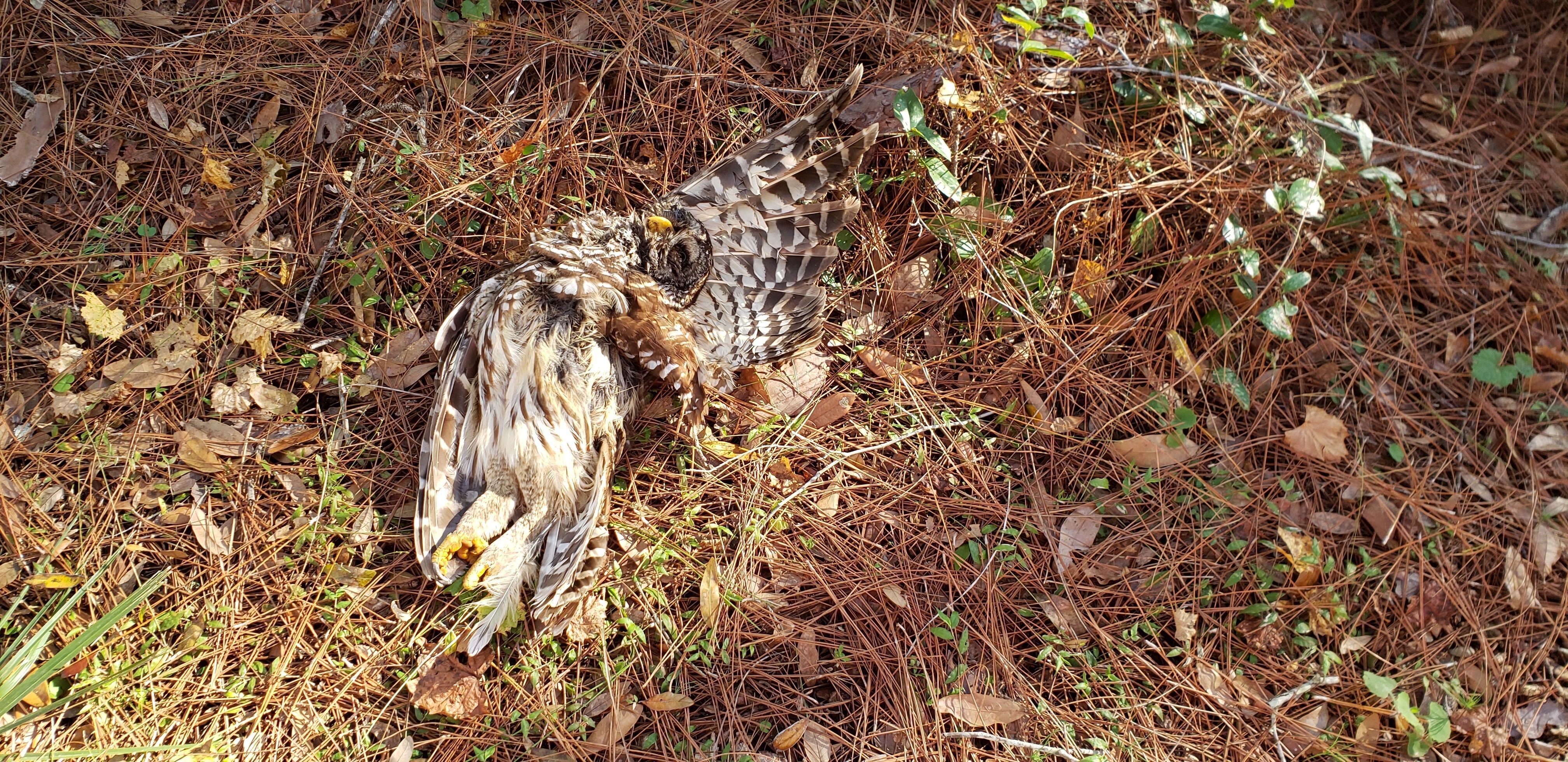
Studies have found birds experience stress responses, mass temporary displacement, and fatal collisions during fireworks displays. On New Year's Day 2025, more than 1,000 birds were found dead near a hiking trail in Bulgaria, just over a kilometre from a fireworks site, after panicked birds flew into trees and each other.
Consultation follows public pressure
The government consultation came after a parliamentary debate in January and two petitions that each gathered more than 180,000 signatures. Alongside the noise limit, the consultation examined expanding the list of fireworks banned for general sale and reviewing rules on lower-risk products, including scrapping the age limit on Christmas crackers.
New Zealand precedent
New Zealand introduced a 90-decibel limit on consumer fireworks in 2008, reduced the number of sale days, and raised the minimum purchase age from 14 to 18. The UK consultation noted concerns that a 90-decibel limit could be difficult to define precisely in legislation, potentially allowing the testing system to be gamed.
Industry opposes lower limit
A spokesperson for the British Fireworks Association acknowledged that sudden noise from fireworks can disturb birds and wildlife, but said the case for a 90-decibel limit has not been made. The association favours better enforcement of existing laws and a national campaign to encourage safe and considerate use, warning that a lower limit could drive people to illegal fireworks.