
By Sohaib Shams
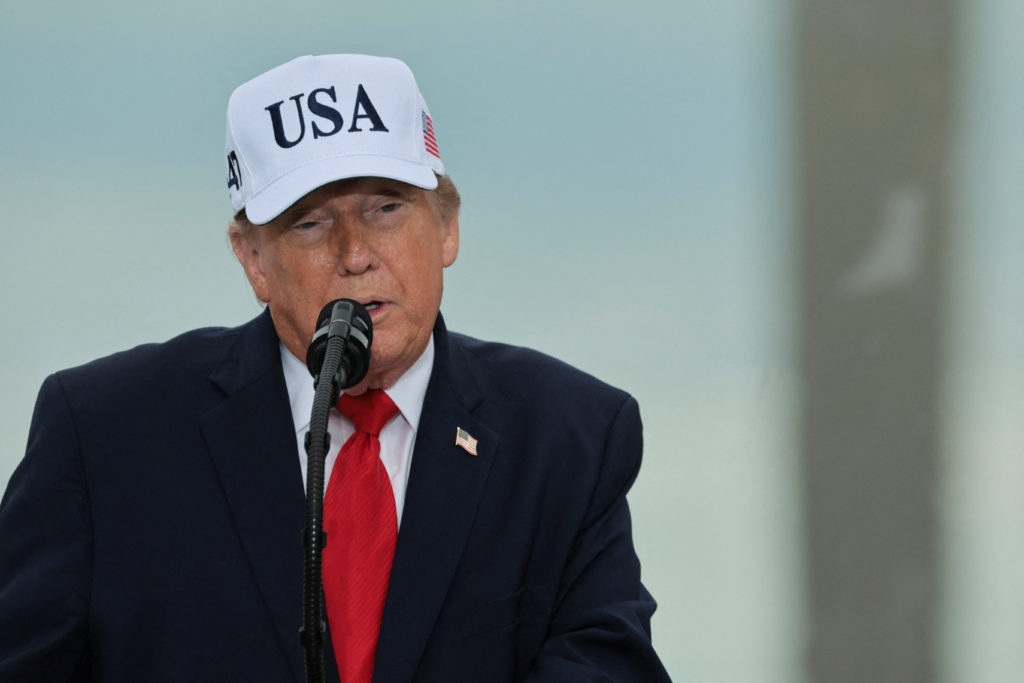
Donald Trump has responded to a sweeping Democratic victory in the 2026 midterm elections by threatening to wield the presidential veto as his primary tool of governance. Democrats captured both the Senate and the House, flipping Republican strongholds such as Kansas and Texas, leaving the president with severely limited legislative prospects for his final two years.
Veto Power and Executive Authority
The Constitution grants the president authority to block bills passed by Congress, subject to a two-thirds override in both chambers. A pocket veto, which occurs when the president does not sign a bill within ten days while Congress is adjourned, cannot be overridden. Trump has used the veto ten times in his first term and twice in his second, compared with 13 under President Biden and 12 under Barack Obama.
Recent Vetoes and National Emergencies
In December, Trump vetoed bipartisan bills on a Colorado water pipeline backed by Rep. Lauren Boebert and a Florida flooding mitigation project for the Miccosukee tribe. He claimed the tribe had obstructed his immigration policies; the tribe was among groups suing over the now-closed "Alligator Alcatraz" detention center in the Everglades. Trump has also invoked national emergencies to bypass Congress, and he could veto any congressional attempt to terminate those emergencies.
Limits on Domestic Agenda
The new Democratic majority is expected to launch investigations into Trump's administration, family, and allies, and to block nominees including potential Supreme Court justices. However, Trump retains significant unilateral authority over foreign policy, tariffs, and military action. He can order airstrikes on Iran, impose sanctions, and negotiate directly with leaders such as Vladimir Putin and Xi Jinping, though he cannot ratify treaties or declare war without congressional approval.
Prospects for Compromise
In a New York Times interview, Trump said he was "willing to accept the results" and would work with Democrats. Historical precedent exists: Bill Clinton negotiated with a Republican Congress after vetoing a budget bill in 1995, leading to the Balanced Budget Act of 1997. Yet analysts such as Nathan Gonzales of Inside Elections argue Trump will likely continue governing through executive orders, and Trump himself told Fox News he would return Democratic bills "with a nice stamp."


