By Basant El-Faramawy
As winter approaches and daylight hours shrink, millions of people prone to seasonal affective disorder (SAD) brace for recurring depressive episodes.
What is Seasonal Affective Disorder?
SAD typically begins in fall and eases in spring or summer. The shift to standard time, which brings darker afternoons, can trigger symptoms. A milder form, subsyndromal SAD, and a less-understood summer variant also exist. The condition was first described in 1984 by Dr. Norman Rosenthal, then at the National Institutes of Health.
Research Points to Light Sensitivity
Scientists are exploring how specialized retinal cells convert blue light into neural signals that affect mood and alertness. Research by Kathryn Roecklein at the University of Pittsburgh found that people with SAD are less sensitive to blue light, especially in winter, suggesting a possible biological cause.
Light Therapy Offers Relief
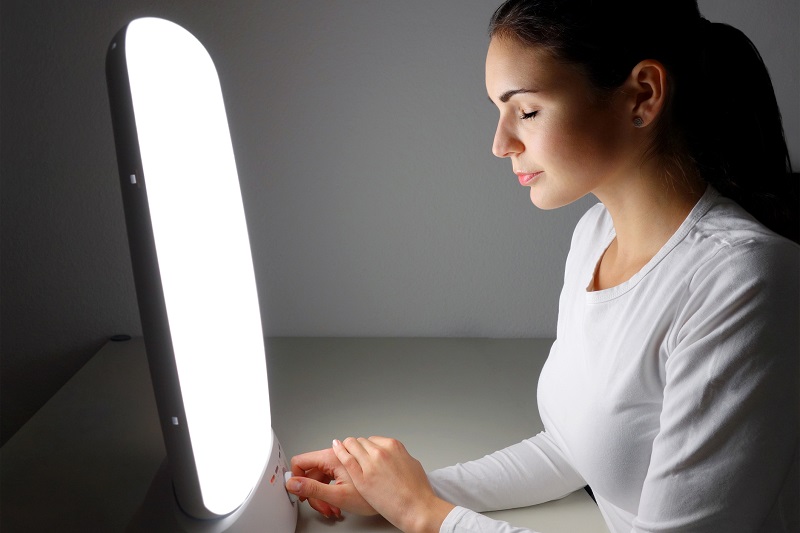
Bright light therapy remains a primary treatment. Dr. Paul Desan of Yale University’s Winter Depression Research Clinic recommends exposure to 10,000 lux light for 30 minutes each morning. Devices cost $50 to over $400; Yale and the Center for Environmental Therapeutics provide product guides. Insurance may cover the cost with a diagnosis.
Talk Therapy and Medication Also Help
Antidepressants are a first-line treatment alongside light therapy. Cognitive behavioral therapy (CBT) has shown more durable effects, according to University of Vermont researcher Kelly Rohan. CBT helps patients modify unhelpful thoughts and gradually re-engage in enjoyable activities. Maintaining a regular sleep schedule and walking outdoors, even on cloudy days, are also advised.