
By Islam El-Sakka
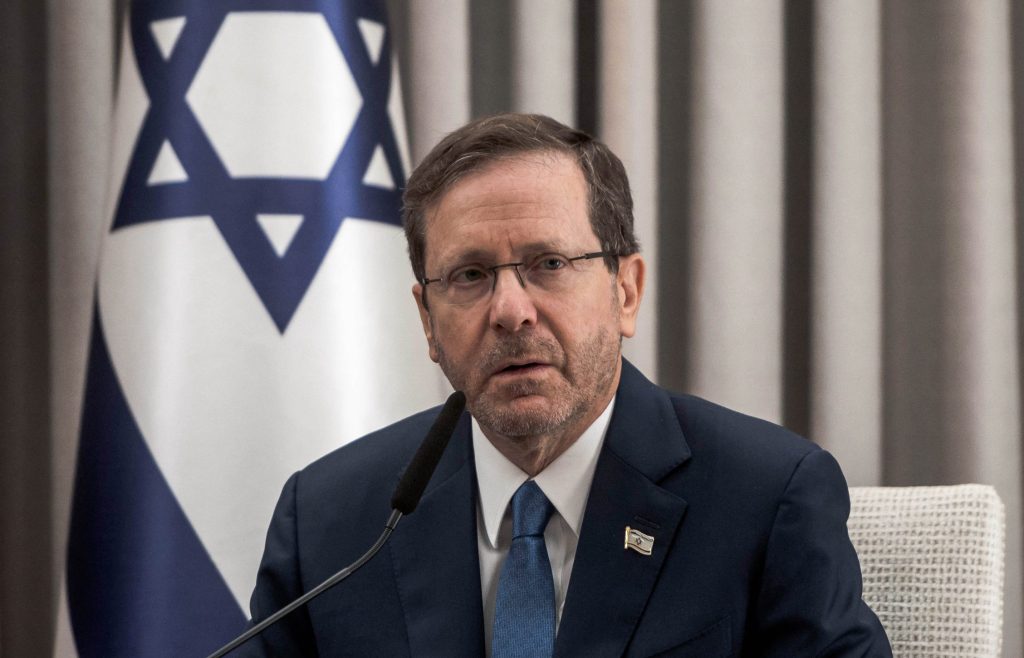
Following last week's inconclusive Israeli election, President Isaac Herzog faces a pivotal decision on which party leader receives the mandate to form a government. While the presidency is largely ceremonial, the law grants Herzog significant leeway in the process, and his skills as a mediator may prove crucial in resolving the political deadlock.
Herzog's Background and Mediation Skills
Herzog, a scion of a prominent Israeli family, has spent five years avoiding controversy and seeking to heal societal rifts. His experience as a lawyer, politician, and former leader of the center-left Labor Party has honed his negotiation abilities. He previously served as government secretary under Prime Minister Ehud Barak, held several ministerial posts, and ran a credible but unsuccessful campaign against Benjamin Netanyahu in 2015. He later led the Jewish Agency, bridging Israel and the Jewish diaspora.
Election Results and Coalition Math
The election left no clear path to a 61-seat majority in the 120-seat Knesset. Netanyahu's current bloc holds 53 seats, comprising Likud, Jewish Power, United Torah Judaism, Shas, and Religious Zionism. A Jewish opposition bloc holds 48 seats, while Arab parties hold 19 seats. Parties must surpass a 3.25% threshold to enter parliament.
Analysts Expect Push for Unity Government
As a longtime advocate of national unity, Herzog is likely to pursue the broadest possible coalition to untangle what Israelis call the political "plonter" — a Yiddish term for an intricate knot. Former Labor minister Nachman Shai described this as Herzog's "big moment," noting his creativity as a politician and his tendency to seek out-of-the-box solutions for coalition building.


