By Basant El-Faramawy
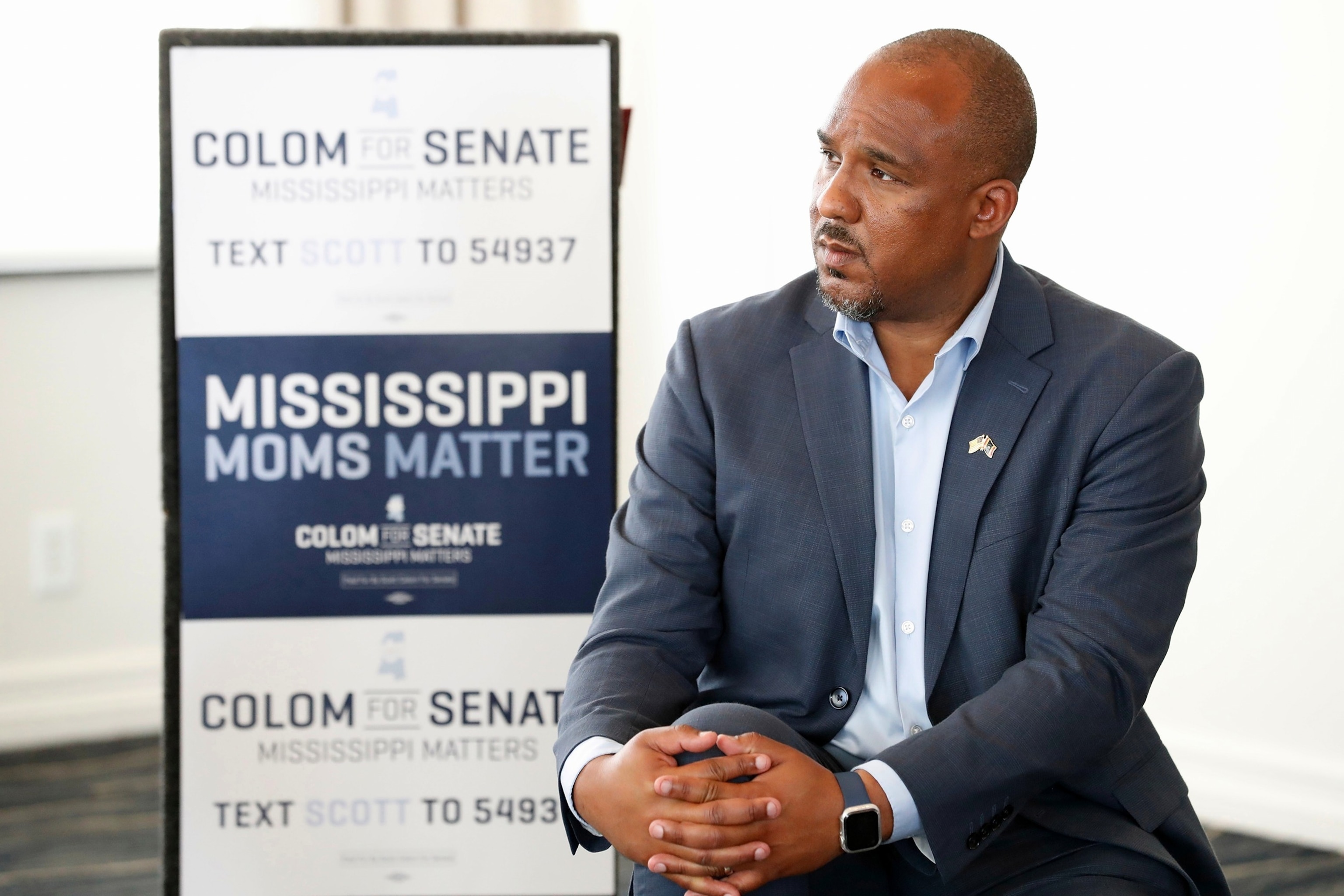
As the 2026 midterm elections approach, political strategies are shifting in unexpected directions, particularly in states like Mississippi. Democratic Senate candidate Scott Colom has seen a significant boost following a $1.3 million investment from a top Democratic Senate super PAC. This late-stage push has triggered a $1.4 million retaliatory ad campaign from Republicans aiming to protect the seat.
The Mississippi Battleground
Mississippi, traditionally a Republican stronghold, is becoming an unlikely focal point. While Democrats have not sent a Senator from the state since 1982, the recent influx of funding has prompted intense GOP activity. To bolster Republican Senator Cindy Hyde-Smith, Donald Trump is scheduled to host a rally in the state just days before the election. This move comes as Republicans face the difficult task of defending several states where Trump previously won by significant margins, including Iowa, Texas, and Ohio.
Risks of High Expectations
The Democratic strategy of expanding their reach into red states carries inherent risks. While it forces Republicans to divert resources away from other battlegrounds, it also raises the bar for Democratic success. Analysts warn that if Democrats fail to secure a Senate majority—even if they win key swing states like Michigan, Georgia, and North Carolina—the result could be perceived as a political failure, potentially leading to internal party friction.
The Shadow 2028 Primary
Beyond the immediate midterm contests, the 2026 election cycle is already serving as a testing ground for the 2028 presidential race. High-profile Democrats are increasingly visiting early primary states like South Carolina to build momentum. Although no major candidates have officially declared their intentions, their presence in these states suggests that the race for the presidency is effectively beginning the day after the midterms conclude.